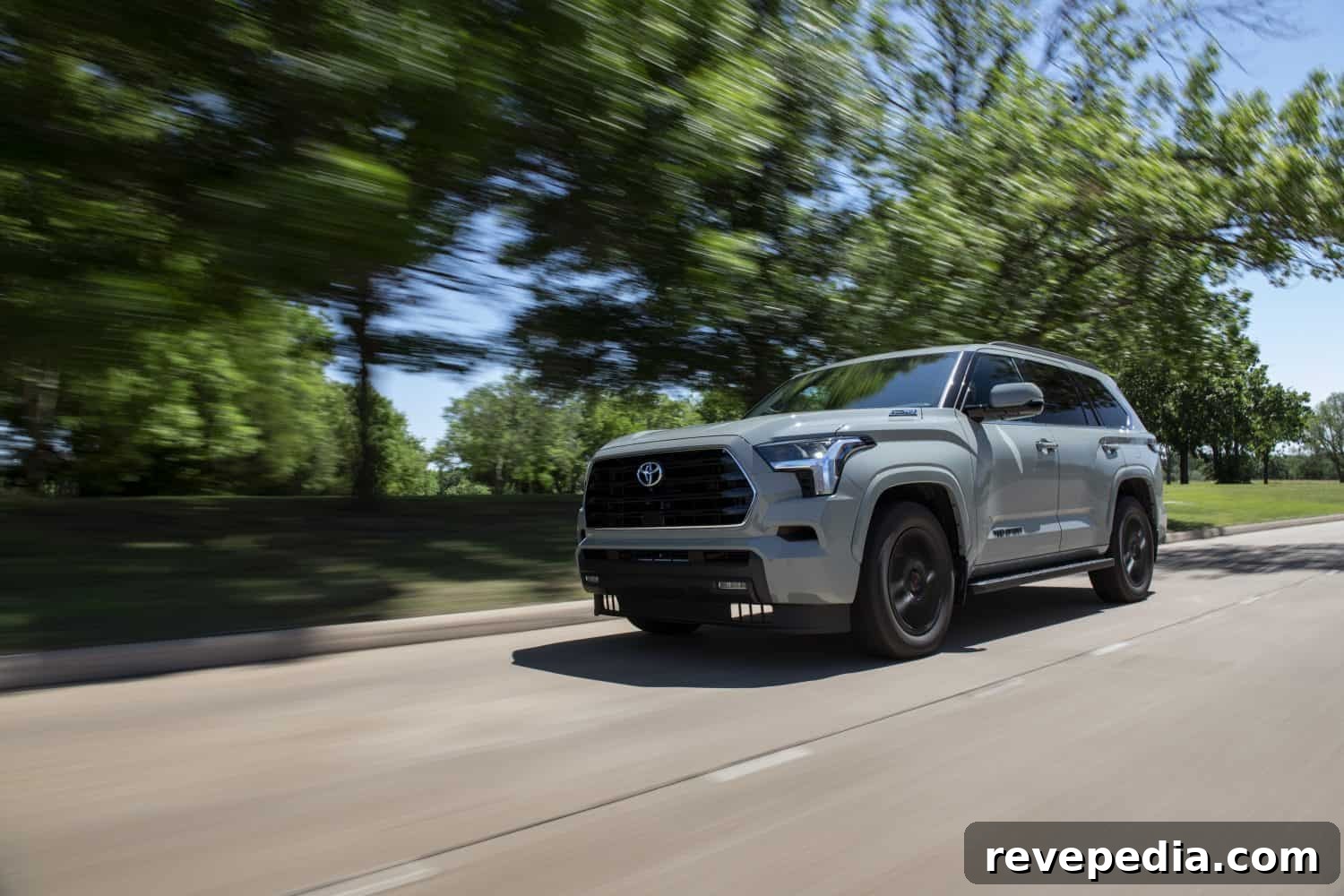
Electric vehicles (EVs) have become increasingly popular as cleaner, more efficient alternatives to gasoline-powered cars. However, EVs come in different forms, each with distinct benefits and trade-offs. Understanding these differences will help you choose the right vehicle for your driving habits and priorities.
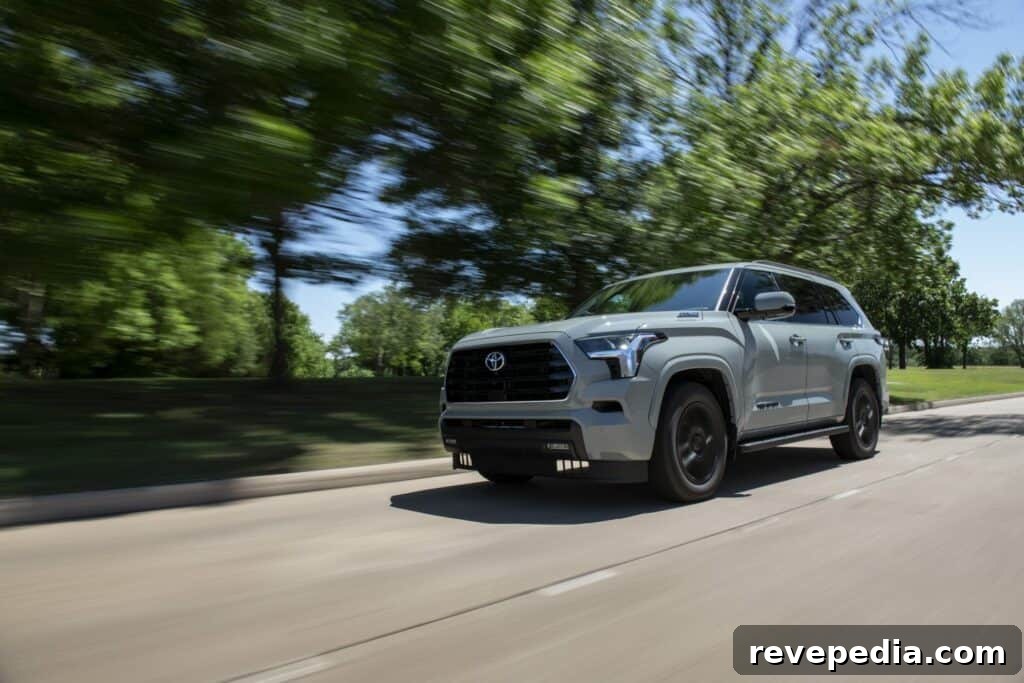
The three main categories of electric vehicles are battery electric vehicles (BEVs), hybrid electric vehicles (HEVs), and plug-in hybrid electric vehicles (PHEVs). Each type offers a different balance of electric driving, gasoline backup, cost, and convenience.
Battery Electric Vehicles (BEVs)
Battery electric vehicles, often called BEVs or all-electric cars, run solely on electricity stored in onboard batteries. They have no internal combustion engine and produce zero tailpipe emissions. Popular examples include the Tesla Model 3, Nissan Leaf, Chevrolet Bolt, and Toyota bZ4X.
Key advantages of BEVs:
- Zero tailpipe emissions, which reduces local air pollution.
- Lower operating and maintenance costs compared with combustion engines due to fewer moving parts.
- Quiet, smooth acceleration and driving experience.
- Qualify for many government incentives and tax credits in various regions.
Common disadvantages of BEVs:
- Limited range between charges compared with a full tank of gasoline—though ranges have improved substantially in recent years.
- Longer refueling times; charging can take from under an hour (fast charging) to several hours (home charging) depending on the charger and battery size.
- Charging infrastructure remains uneven in some areas, which can affect long-distance travel convenience.
- Higher upfront purchase price for many models, though total cost of ownership can be lower over time.
Hybrid Electric Vehicles (HEVs)
Hybrid electric vehicles combine a conventional gasoline engine with an electric motor and a relatively small battery. The battery is charged through regenerative braking and the engine, so HEVs do not require plugging in. Notable examples include the Toyota Prius, Hyundai Santa Fe hybrid variants, and Ford Escape hybrid models.
Key advantages of HEVs:
- Better fuel economy than comparable gasoline-only vehicles, especially in city driving.
- No need for external charging, making them simple to use for drivers who don’t want to manage charging schedules.
- Some models qualify for incentives depending on local regulations.
Common disadvantages of HEVs:
- Very limited all-electric range—most driving relies on a blend of gasoline and electric assistance.
- Higher initial purchase price than comparable non-hybrid models.
- Fewer model choices compared with traditional gasoline vehicles in some segments.
Plug-in Hybrid Electric Vehicles (PHEVs)
Plug-in hybrid electric vehicles blend elements of BEVs and HEVs. PHEVs have larger batteries than HEVs and can be charged from an external power source, allowing for a meaningful all-electric driving range before the gasoline engine takes over. Examples include the Subaru Crosstrek Hybrid, Toyota RAV4 Prime, Kia Niro PHEV, and Jeep Wrangler 4xe.
Key advantages of PHEVs:
- Ability to drive on electric power alone for daily commutes, reducing fuel use and emissions when charged regularly.
- Flexibility to switch to gasoline for longer trips, avoiding range anxiety associated with pure BEVs.
- Eligibility for incentives and tax credits in many regions, depending on battery size and local policies.
Common disadvantages of PHEVs:
- All-electric range is typically shorter than that of BEVs, so gasoline usage may still be significant for longer trips.
- Higher upfront cost than comparable gasoline vehicles, though lower than many long-range BEVs.
- Model selection remains more limited in some markets compared with conventional vehicles.
Choosing the right type of electric vehicle depends on your typical driving patterns, access to charging, budget, and environmental priorities. If most of your trips are short and you have reliable access to charging, a BEV can offer the lowest running costs and zero local emissions. If you prefer not to plug in but want better fuel economy, an HEV is a practical choice. A PHEV suits drivers who want electric-only driving for daily use while retaining gasoline flexibility for longer journeys.
Overall, electric vehicles—whether fully electric, hybrid, or plug-in hybrid—provide cleaner alternatives to traditional cars and can reduce fuel expenses and emissions. As battery technology, charging infrastructure, and model availability continue to improve, more drivers will find an EV that matches their needs and lifestyle.