
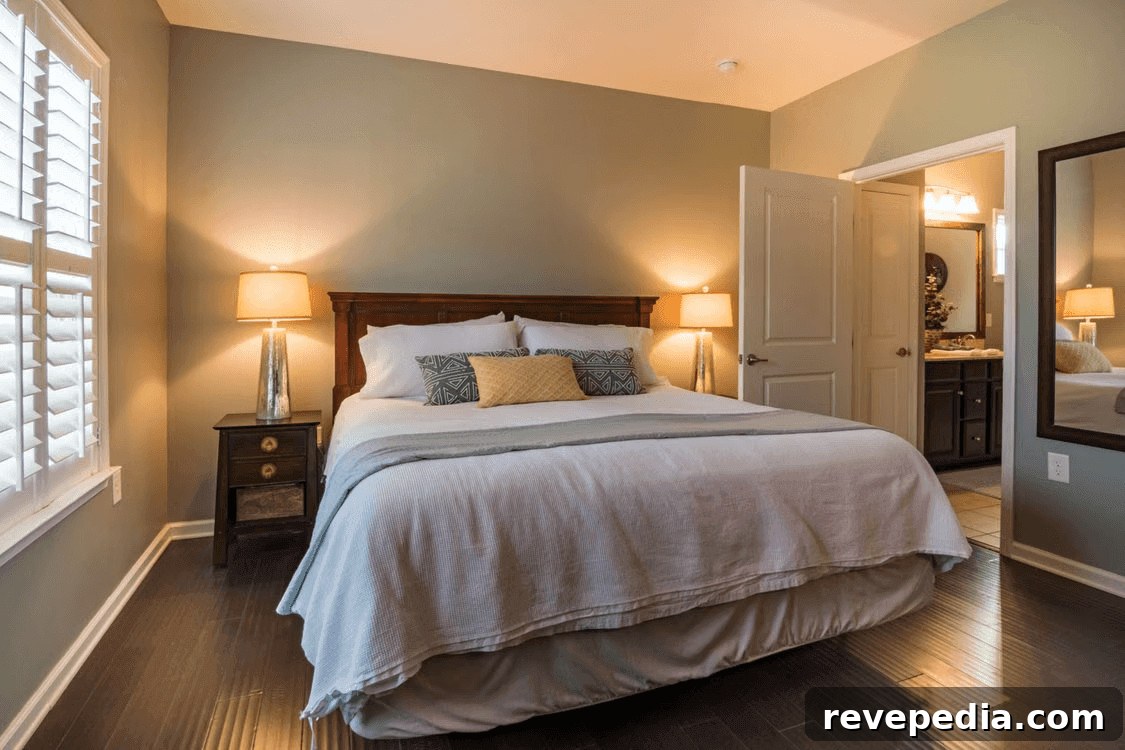
An in-law suite can offer an aging parent privacy, independence, and close family support, but creating a safe, long-lasting space requires more than tacking on a bedroom and a small bathroom. Thoughtful design must accommodate changing mobility, meet local building and permitting requirements, and realistically support caregiving needs. Before construction begins, compare the suite’s likely lifespan and flexibility with other housing options and consider how the addition might serve your household in the future.
Planning an Accessible In-Law Suite Layout for a Parent
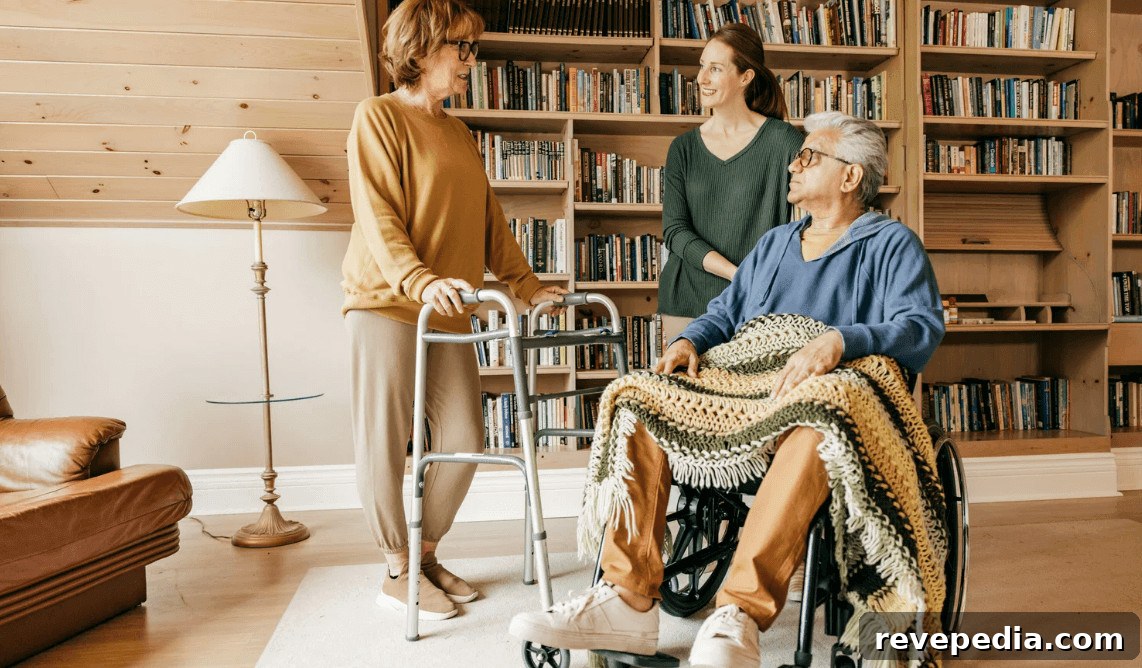
Begin with a step-free route from the driveway, garage, or main living area. Doorways should offer enough clear width for walkers and wheelchairs, and hallways must provide room for comfortable turns. Locate the bedroom close to the bathroom to reduce nighttime trips, and fit doors and faucets with lever handles to simplify daily use.
Accessibility planning is more than widening openings or installing grab bars. Lighting, floor surfaces, threshold transitions, and unobstructed routes between commonly used spaces also affect how safely someone moves through the home. Consider glare-free, layered lighting with bright task lights where needed, and choose slip-resistant flooring that minimizes tripping hazards while remaining comfortable underfoot.
For bathrooms, allow clear space beside the toilet for transfers, design a curbless shower that can accept a bench, and reinforce walls to accept future grab bars. Avoid tight corners around vanities and ensure controls and storage are reachable from a seated position. In kitchen or kitchenette areas, prioritize reachable storage, front-facing appliance controls, and effective task lighting to reduce strain during meal preparation. These layout details often determine whether a suite will be genuinely usable as mobility or cognitive needs change.
Permitting, Location and Plumbing Realities
Contact your local building department early in the planning process. Projects may be classified as an accessory dwelling unit (ADU), an addition, or an interior conversion, and that classification affects setbacks, parking requirements, utility connections, and whether a full kitchen is permitted. Determining the project category before finalizing drawings avoids costly revisions.
Choose the suite location with practicality and accessibility in mind. Converting a spare bedroom or a main-floor room typically requires the least structural work. Basements introduce moisture management and stair safety concerns, garages sacrifice parking and storage and may need extensive insulation and fire separation, while attics are rarely ideal for limited mobility. A new addition or detached unit offers privacy and flexibility but involves more extensive permitting, foundation work, and utility connections.
Plumbing location often drives cost. Placing a bathroom near existing supply lines and a drain stack reduces complexity, whereas installing a new bathroom far from existing plumbing can require slab cutting or trenching. Electrical service may also need upgrading to support cooking appliances, heating, and cooling; early coordination with contractors helps identify those expenses and timelines. Build a budget that includes permit fees, potential structural surprises, and accessibility features that may become necessary over time.
Caregiving Realities: What a Suite Does—and Doesn’t—Provide
A private suite addresses housing but does not automatically provide supervision, transportation, or personal care. Think through a typical week: who prepares meals, manages medications, schedules and transports to appointments, and responds overnight if urgent help is needed? Family work schedules, caregiver health, and distance between households affect how sustainable home-based care will be.
Be alert for needs a house can’t safely manage, such as frequent falls, confusion around appliances, wandering, or growing social isolation. Discuss these possibilities with your relative and other family members before a crisis forces a rapid decision. Short-term in-home support, visiting caregivers, or adult day programs can supplement family care in many situations; other cases may call for more structured residential care. Evaluate options based on the person’s medical needs, daily living abilities, preferences, and available supports.
Costs, Long-Term Value and Flexibility
Request detailed estimates that separate structural work, finishes, permits, and accessibility features. Keep a contingency budget because older homes can hide outdated wiring, water damage, or framing issues. Ask contractors to itemize essential safety work separately from optional upgrades so you can trim costs without compromising safety.
Costs vary widely depending on whether you convert existing space, build an addition, or construct a detached unit. Conversions typically cost less than building new, while additions and detached ADUs involve higher material, foundation, and utility expenses. Instead of relying on generic ranges, ask for per-square-foot breakdowns and comparable local project examples to make quotes easy to compare.
Design the suite for future flexibility. A well-planned space can later serve as a guest room, home office, or rental unit if local rules allow. Independent access, a full bathroom, durable finishes, and neutral layouts provide more options than highly personalized features. Before approving plans, walk the proposed layout with your relative and the contractor: check the paths from entrance to bathroom, reach toward imagined switches and storage, and simulate common daily activities. These practical tests often reveal design issues while adjustments are still inexpensive.
Done thoughtfully, an in-law suite can keep an aging parent safe, comfortable, and close to family while adapting as needs change. Early planning, realistic budgeting, and attention to accessibility details will make the difference between a project that simply provides space and one that truly supports long-term independence and quality of life.