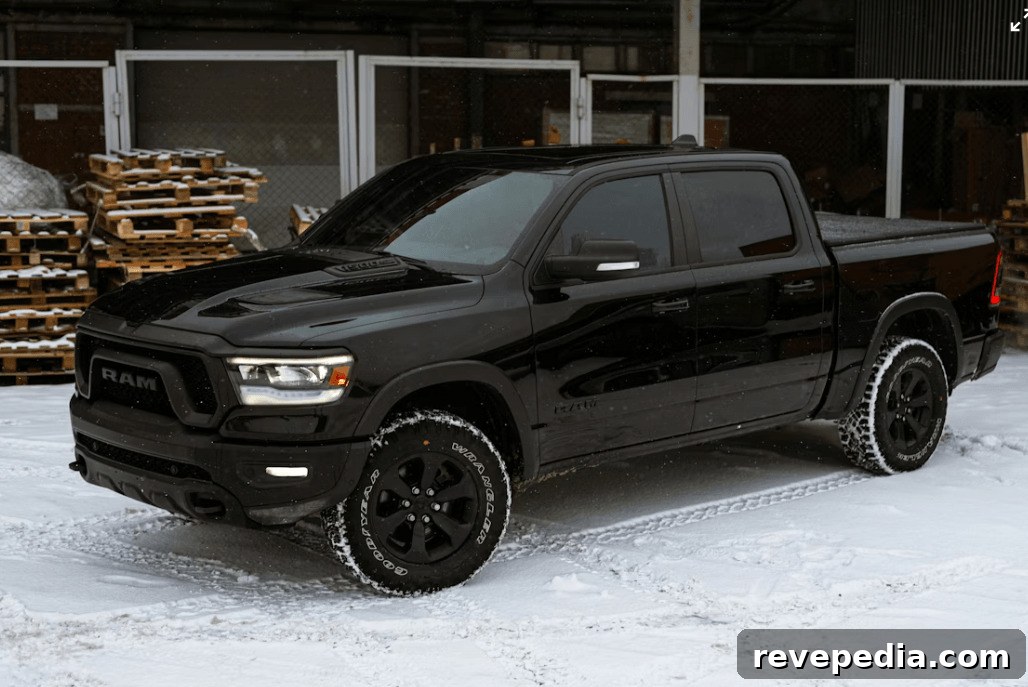
Most drivers think of traction in simple terms: if the tires grip the road, the vehicle is under control, and if that grip weakens, slowing down will usually fix the problem.
That reasoning works for everyday passenger cars, but trucks operate under very different circumstances. Their size, weight, and structural design introduce complexities that make traction far less predictable. As a result, there is a much smaller margin for error and far greater consequences when control is lost.
Recent incidents involving semi-trucks and pickup trucks demonstrate that a loss of traction is not always the result of reckless driving. Often it stems from the way large vehicles interact with wind, shifting loads, and changing road conditions.
Understanding how traction works for trucks helps explain why accidents can develop quickly and escalate beyond what many drivers expect.
Truck Traction Starts with Weight, Not Just Tires
A common misconception is that heavier vehicles always have better traction. In truth, weight distribution matters more than total weight. Traction depends on how evenly that weight presses the tires against the road surface—not merely on how heavy the vehicle is.
A fully loaded semi-truck can weigh close to 80,000 pounds, and in windy conditions a loaded truck is often more stable than an empty one. The added mass helps anchor the vehicle, improving tire contact with the road. An empty trailer, by contrast, has less downward force and is more vulnerable to gusts, sudden shifts, and loss of control.
This flips a common assumption about handling: lighter does not always mean easier to control for large vehicles. With trucks, less weight can reduce traction and increase instability. Traction is dynamic, changing with load, wind, and road conditions.
When Conditions Take Control, Drivers Can Only Do So Much
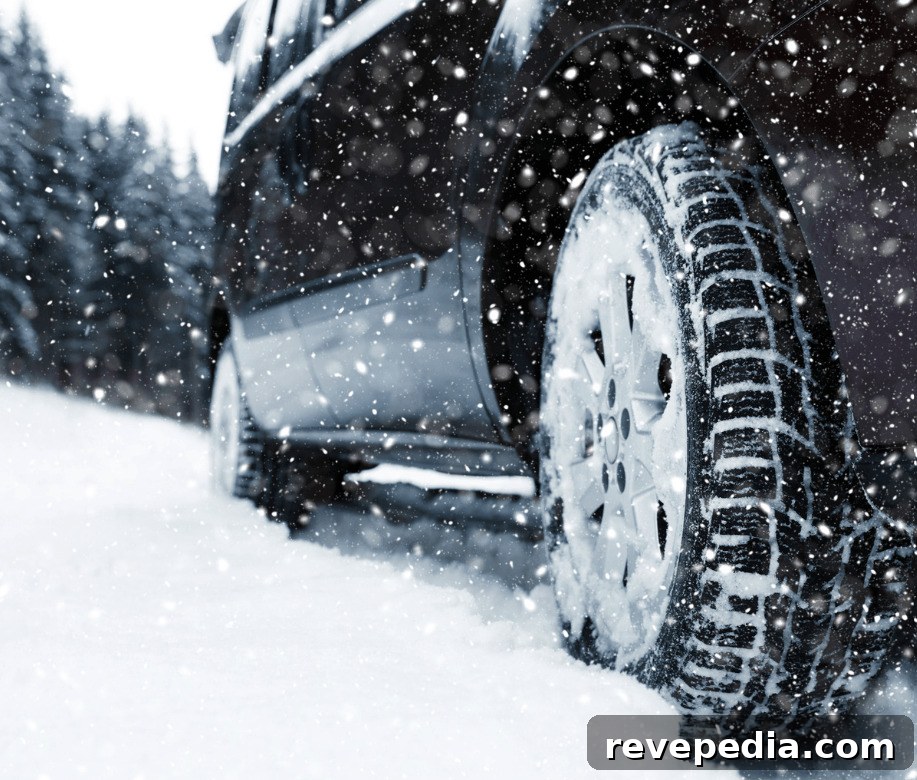
Traction regulations exist because driver skill alone cannot always overcome severe conditions. Laws that require chains or specialized tires during heavy snow and ice are practical measures to address situations where normal braking and steering won’t maintain control.
As grip diminishes, braking distances increase, steering becomes less predictable, and small corrections may no longer suffice. These limitations are why states enforce traction rules and issue fines—both to reduce the chance of vehicles losing control and to prevent incidents that can ripple across highways.
Disregarding these safeguards removes an important layer of protection drivers rely on in difficult conditions. Once that protection is gone, control becomes uncertain and routine driving situations can quickly become dangerous.
For those involved in crashes, understanding the intersection of safety and law matters. Legal and safety standards play a role in determining responsibility and recovery after an accident, and familiarity with these issues helps people navigate liability and insurance processes.
Loss of Traction Doesn’t Always Look Dramatic Until It Is
A loss of control rarely starts with a dramatic event. It frequently develops gradually as traction weakens under changing conditions drivers may not immediately recognize. Weather events such as strong winds or lake-effect snow can make roads unpredictable in a short time, especially during seasonal shifts.
For example, a crash in Medina County, Ohio, involved a pickup truck leaving the roadway, striking a guardrail, and overturning, with a fatal outcome. Weather was considered a possible factor while investigators work to determine the exact cause. Around the same time, nearby areas experienced heavy lake-effect snow that reduced visibility and further challenged traction.
When a truck loses control or overturns, the consequences rarely affect only the vehicle itself. Such events can trigger chain reactions that damage nearby cars and put multiple drivers at risk. In those situations, legal counsel can help clarify responsibility, gather evidence, and guide the process of handling insurance claims and liability.
Small Decisions Around Traction Can Have Big Consequences
Often the difference between a routine trip and a serious incident comes down to a single choice. Conditions may appear manageable, leading drivers to skip precautions that seem unnecessary at the time. But with large vehicles, even minor decisions can have major consequences.
For instance, ignoring chain control requirements during snowy conditions can have outcomes beyond fines. Vehicles can become stuck or disabled, creating hazards for other drivers and increasing the risk of secondary collisions. Once traction is compromised, situations can escalate quickly into blocked roadways or multi-vehicle pileups.
These examples highlight how traction-related choices—installing chains, reducing speed, or redistributing loads—are critical for safety when operating heavy vehicles. Because recovery margins are small, preventative steps matter much more than many drivers realize.
FAQs
What is traction in a truck?
Truck traction is the grip between tires and the road surface that enables acceleration, steering, and braking without slipping. Adequate traction is essential for maintaining control, particularly when weather or road conditions change.
What should you do when the road is slippery?
When roads are slippery, reduce speed, avoid sudden braking and sharp turns, and maintain a greater following distance. Make smooth steering inputs and, when conditions demand it, use appropriate tires or chains to improve grip, especially in snow and ice.
How does weight affect traction?
Weight increases the downward force pressing tires onto the road, which can improve traction if the load is distributed properly. For trucks, balanced loading enhances stability, while uneven or insufficient weight can reduce traction and make the vehicle harder to control.
Looking beyond the immediate collision reveals the broader truth: traction is not just a technical factor, it is the foundation of vehicle control. Weight shifts, wind, road surfaces, and small driver decisions interact in ways many drivers do not fully appreciate. Trucks, in particular, have very little margin for recovery when traction fails—what begins as a minor loss of grip can rapidly become a chain reaction with serious consequences.