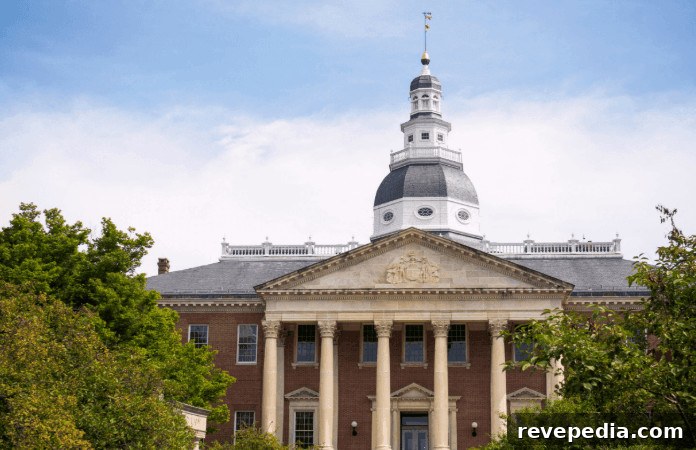
If you live in Annapolis or visit often, you’ve probably noticed that some neighborhoods feel older and more vulnerable than others. Storms routinely overwhelm low-lying areas, and parts of the waterfront are repeatedly flooded. At the same time, the city holds frequent discussions about redesigning streets, upgrading docks, or redeveloping aging waterfront properties.
The bottom line is simple: sea level rise and aging infrastructure are producing real challenges. Over the next decade, several Annapolis neighborhoods are likely to see noticeable change as the city, property owners, and engineers work to improve resilience while preserving the town’s historic character.
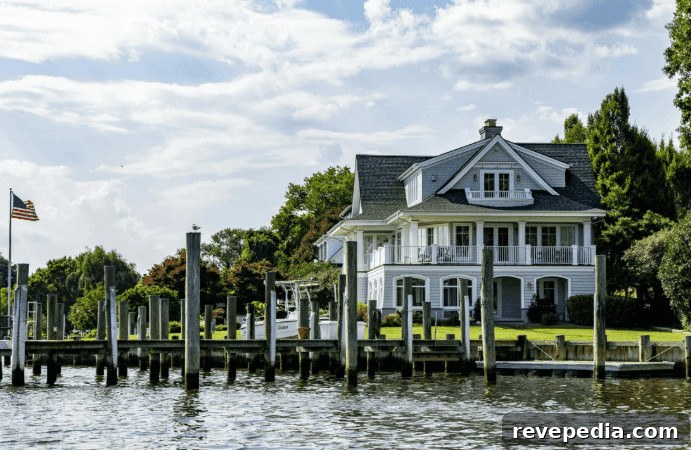
Which Parts of Annapolis Are Likely to Change (Soon)
Annapolis remains a scenic, historically rich city, and much of it will retain that character. Still, several specific areas already show stress from flooding, saltwater exposure, and outdated infrastructure. These are the places most likely to undergo visible, near-term work to improve safety, accessibility, and durability.
City Dock
City Dock sits at the center of many conversations about adaptation because it floods frequently. Businesses and merchants near the dock watch the forecast closely, and public events are often disrupted by high water.
Planned interventions generally focus on improving drainage, raising or rebuilding vulnerable walkways, and integrating unobtrusive flood barriers that respect the historical setting. The goal is to make City Dock safer and drier while keeping the look and feel that make it a community focal point.
Expect projects that combine functional upgrades — better stormwater management, smarter grade adjustments, and resilient pedestrian paths — with design choices that retain the area’s historic charm. Incremental, targeted work can reduce disruption while delivering meaningful improvements.
Ego Alley
Ego Alley is known for boat traffic, waterfront dining, and lively summer crowds. Because much of the area is exposed to saltwater, dock and pier structures age faster and require more frequent repair.
Over the next decade, major marina upgrades are likely: reinforced docks, updated moorings, improved lighting, and new seating areas for visitors. Modern repair methods, including specialized sprayed concrete techniques, are commonly used to strengthen retaining walls and shoreline structures without tearing everything apart.
For example, shotcrete (spray-applied concrete) allows crews to reinforce vertical and awkward surfaces quickly and with less invasive staging than traditional pours. That versatility is especially helpful in tight marina settings where access is limited and saltwater accelerates material wear.
Eastport Waterfront
Eastport retains a working-class, neighborhood feel, but waterfront homes there are increasingly elevated or renovated to reduce flood risk. Rising property values mean more owners are investing in long-term resilience measures, from elevating first floors to installing improved bulkheads.
One consequence of private waterfront upgrades is reduced public shoreline access. As owners fortify and build out their lots, open stretches of community shoreline can shrink. That trade-off — improved private safety versus fewer public access points — will shape how the Eastport shoreline looks and functions in coming years.
Choices about public amenities, access points, and shared waterfront spaces will influence whether Eastport keeps a more open, communal character or shifts toward a denser, privatized waterfront.
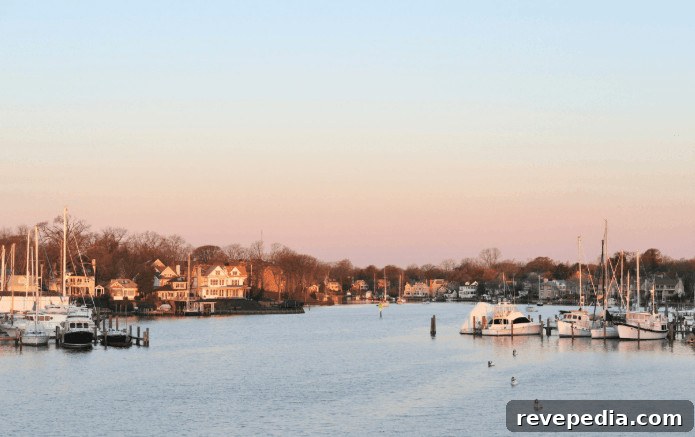
Spa Creek
Spa Creek’s shape and hydrology make it prone to slow drainage and recurring flooding. Where waterways don’t flush quickly, tides and storm surges can create regular problems for streets, driveways, and low-lying properties.
Local plans over the next decade are likely to include shoreline stabilization, improved drainage channels, and raising or replacing small bridges and launch sites. Kayak launches, small boat ramps, and other recreational access points may be redesigned to remain usable during higher tides and storm events.
Implementing these measures in a dense, developed area presents challenges. Contractors and designers must balance effective shoreline work with minimizing impacts on nearby homes and community amenities. The coming decade will be decisive for Spa Creek: it will either see coordinated upgrades to reduce recurring damage or continue to experience worsening impacts as sea levels rise.
Conclusion
What will Annapolis look like in ten years? The city will largely keep its historic identity, but its waterfront and low-lying neighborhoods will begin to reflect the investments made in resilience and adaptation. Expect drier, safer public spaces around City Dock, stronger marina structures at Ego Alley, more elevated or fortified private properties along the Eastport shoreline, and targeted upgrades to drainage and bridges around Spa Creek.
These changes won’t erase the things people love about Annapolis; rather, they aim to protect those qualities while improving safety, access, and long-term livability. In short: Annapolis will still feel like Annapolis — just better prepared for the challenges of rising water and aging infrastructure.