A relaxing family weekend at Missouri’s Lake of the Ozarks almost ended on Sunday night because of three terrifying words: full septic tank.
A mistaken appraisal had misstated the tank’s capacity, and after 13 people used the facilities over the weekend, the system failed.
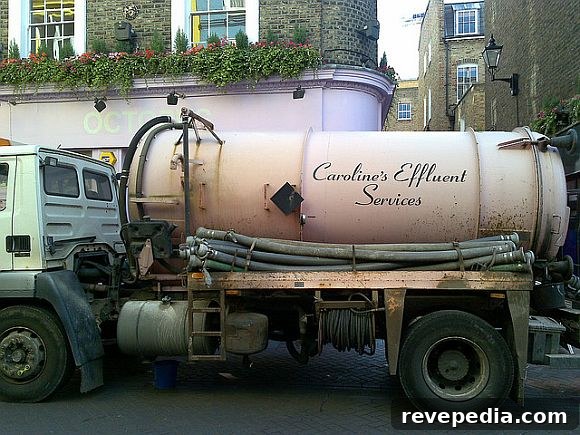
Once a plumber diagnosed the issue, a pump truck was called in to empty the tank and restore function. The crisis was resolved, but two emergency plumbing visits over a holiday weekend were expensive and stressful.
What can you learn from this incident that will likely become part of our family lore?
If you’re one of the roughly 25 million people in the U.S. who depend on a septic system, regular maintenance is essential to keep your system operating reliably and to avoid costly emergency repairs, yard damage, and other headaches.
Use a 100 percent natural septic tank treatment designed to be flushed down the toilet and to introduce a high concentration of beneficial bacteria into the tank. These microorganisms and their enzymes are crucial for breaking down waste. Without a monthly additive, routine flushing can gradually wash away the productive bacteria, reducing the tank’s ability to process solids and increasing the risk of backups.
Other practical tips: schedule routine inspections and pump-outs based on tank size and household usage, be mindful of what you flush (avoid grease, wipes, and non-biodegradables), conserve water to reduce overload, and track when the tank was last serviced so you can plan preventive maintenance rather than wait for an emergency.
Is your home on a septic system? Share your best practices and tips to help others keep their tanks functioning properly.
Photo by markhillary