Our family loves road trips. Living in Los Angeles gives us countless day-trip options and plenty of fun weekend getaways. Before any journey, however short or long, we always make sure our vehicles are in good condition and that our auto protection plan coverage is current.
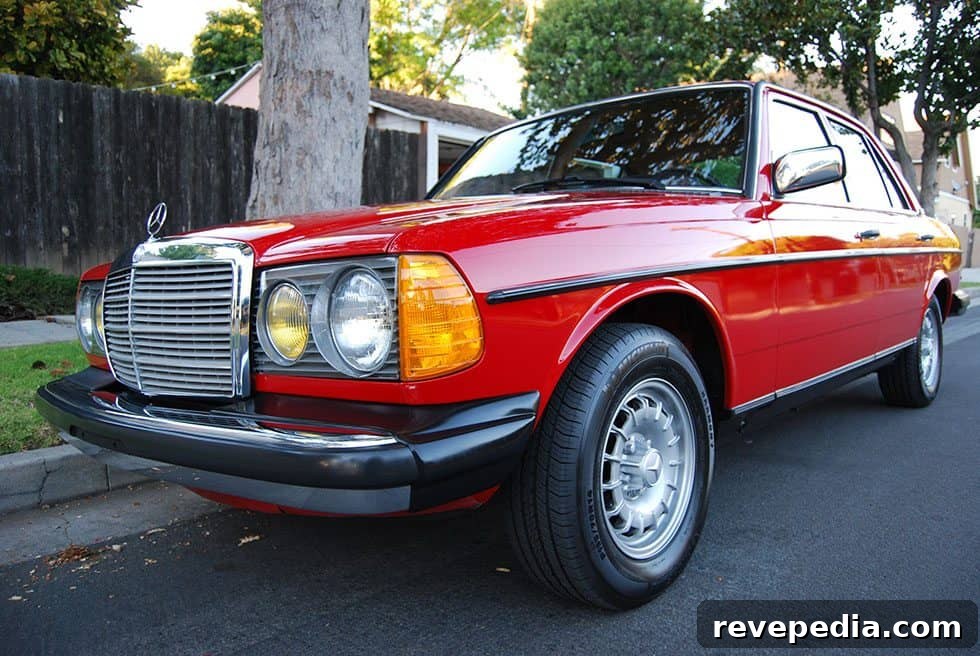
We own three vehicles, each suited to a different kind of drive. My wife’s 1983 Mercedes‑Benz 300D turbo diesel is the stylish, fuel-efficient classic. Despite its age, it’s remarkably reliable and getting good mileage. We do most of the maintenance ourselves and pick up parts and supplies at our local AutoZone.
My 1989 Toyota Land Cruiser FJ62 is our overlanding and adventure rig. It’s equipped with four‑wheel drive and has a rugged, lived-in feel—perfect for trails and desert runs where a little wear and tear is expected. Our primary family vehicle is a 2008 Ford F-150, which offers plenty of space for our son and for coolers, luggage, and gear on longer trips.
With three older vehicles to maintain and none covered by warranty, we rely on a few simple, do-it-yourself checks before every long drive. These quick tasks take only minutes but can significantly improve safety, reliability, and fuel economy.
Check Your Tire Pressure
Tire pressure has a direct impact on fuel economy and handling. Underinflated tires increase rolling resistance and reduce gas mileage, while overinflated tires can make the car feel skittish and reduce traction. Keep a quality tire pressure gauge in every vehicle and check pressures when tires are cold, adjusting to the manufacturer’s recommended PSI. Dial-style gauges tend to be more durable and easier to read than pen-style ones.
Check Your Oil
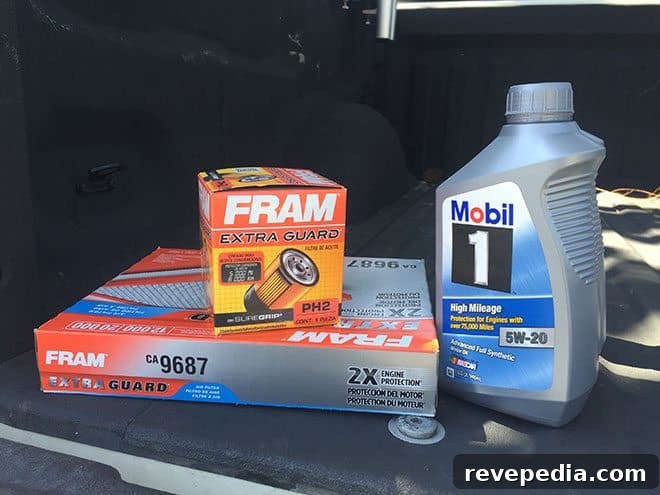
Regular oil checks prevent engine damage. Check the oil level at least once a month and follow your vehicle manufacturer’s recommended oil change intervals. Maintaining the correct oil level and using the proper oil grade extends engine life and helps avoid costly repairs.
Check Your Air Filter
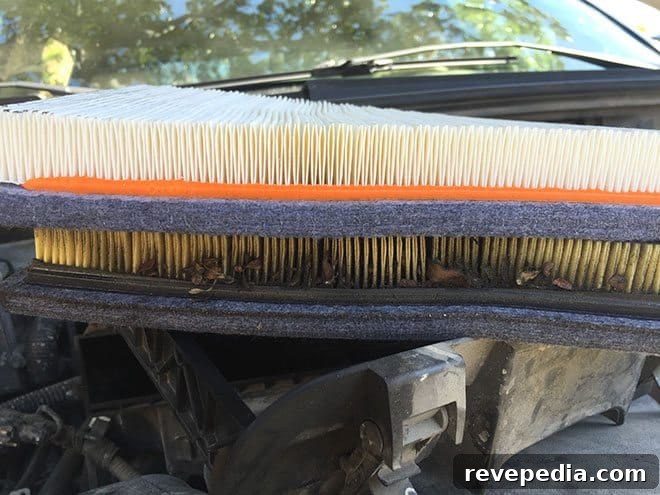
A clean air filter ensures the engine breathes freely and runs efficiently. A clogged filter can reduce performance, lower fuel economy, and accelerate wear. Inspect the air filter regularly and replace disposable elements when they’re dirty. Avoid filters marketed as “never replace” unless they meet your driving needs—replaceable filters are inexpensive and simple to change.
Use a Fuel Additive
Using a fuel additive periodically can help clean injectors and keep the fuel system operating smoothly. For higher‑mileage vehicles or cars that see long intervals between full-service maintenance, a monthly treatment can maintain performance and prevent buildup that affects drivability.
Monitor Your Dash Gauges
Familiarize yourself with each instrument on the dash. Beyond the speedometer and tachometer, pay attention to fuel level, battery charge, oil pressure, and engine temperature. Learn what normal readings look like when the vehicle is operating correctly so you can spot anomalies early. Catching an issue soon—such as a rising temperature or low oil pressure—often prevents a minor problem from becoming a major repair.
Performing these simple maintenance checks yourself saves time and money, and it reduces the chances of being stranded or dealing with unexpected repairs on the road. Stock up on basic supplies and replacement parts at your local auto parts store before a trip to ensure you have what you need for routine upkeep.
This post is brought to you by AutoZone; the opinions expressed here are my own.