As unprecedented numbers of people approach age 65 in the coming years, Universal Design is becoming a central topic in home construction and remodeling. Universal Design focuses on improving a home’s accessibility and functionality so it can accommodate all residents, including those with mobility challenges or disabilities.
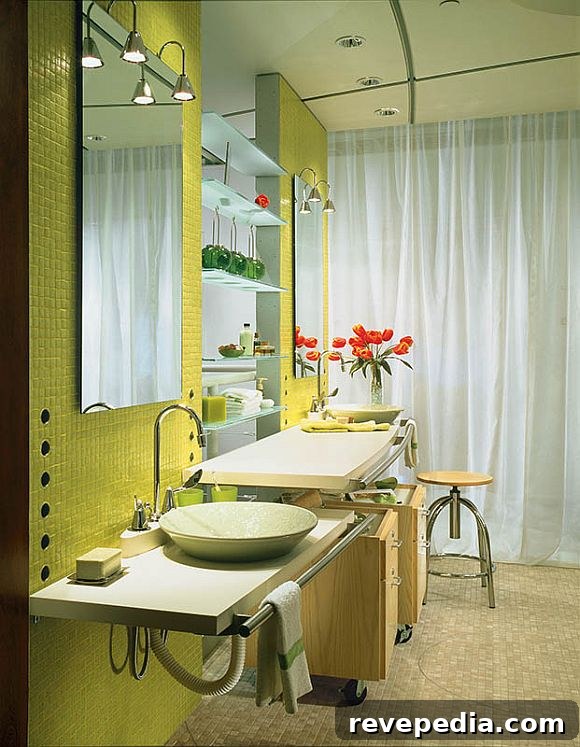
What makes Universal Design so appealing is that it prioritizes practical, thoughtful features that benefit everyone—regardless of age or ability. At C&H we’ve discussed UD before, and with Builder magazine’s recent overview of UD-friendly products, it’s a great moment to revisit how to incorporate these ideas into your home. Many of the items below are straightforward to add and are often suitable for DIY projects.
Top Universal Design Products
- Keyless locks. Electronic locks with numeric keypads let you unlock doors without a traditional key, simplifying entry for anyone who struggles with small or hard-to-handle keys.
- Lever handles. Lever-style door and faucet handles are easier to operate than round knobs, requiring less grip strength or dexterity. They also provide a clean, modern look that complements many interior styles.
- Touch-activated faucets. Touch or sensor faucets reduce the need to manipulate small handles, help conserve water, and improve hygiene by limiting contact with surfaces.
- Flat or rocker switches. Wide, flat switches or rocker-style controls are simpler to use than small toggle switches, making light controls more accessible for people with limited hand mobility.
- Induction cooktops. Induction cooking uses magnetic energy to heat cookware directly, bringing water to a boil faster than many conventional electric ranges. Because the cooktop itself remains relatively cool to the touch, it’s a safer option for households with children or mobility concerns.
These Universal Design elements are practical upgrades that enhance everyday comfort, safety, and independence. Whether you’re planning a full renovation or making targeted improvements, focusing on accessibility-minded features can add long-term value and usability to your home.
Have you begun applying Universal Design principles in your home? If so, what changes have you made?
Photo courtesy of Kohler