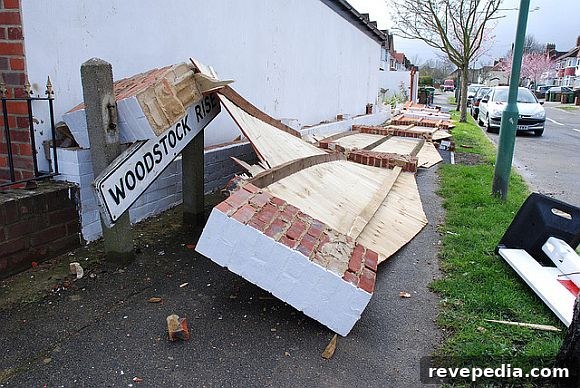
Warmer weather often brings an increased risk of severe storms, and with hail, high winds, tornadoes, and heavy rain comes another hazard: storm repair scams. After a recent round of severe weather in the Kansas City area, Johnson County District Attorney Steve Howe warned residents to be vigilant and provided advice for avoiding fraudulent repair contractors.
One of the clearest warning signs of a potential scam is an unsolicited visit from a contractor. Be cautious if someone shows up at your door offering to repair storm damage. Pay attention to the vehicle they arrived in—out-of-state license plates can indicate a contractor who follows severe weather events from region to region, soliciting payment for work they may never complete.
If your property sustains storm damage, contact your insurance company right away. Your insurer can help assess the damage and recommend qualified, licensed contractors. Working through your insurance company reduces the risk of dealing with unscrupulous operators and helps ensure repairs meet appropriate standards.
To verify a contractor’s credentials, check reputable resources such as the Better Business Bureau to see if the individual or company is registered and to review their complaint history and business ratings. Verify licenses and certifications directly with state or local licensing agencies when applicable. Request references and follow up by speaking with previous customers about their experience.
Before any work begins, insist on a detailed, written contract. The contract should specify the scope of work, the exact materials to be used, the total cost for labor and materials, the payment schedule, and a clear timeline for completing the project. Avoid contractors who demand full payment upfront or pressure you to sign immediately. Instead, use staged payments tied to specific milestones outlined in the contract.
Other practical tips to protect yourself include: obtain multiple written estimates so you can compare costs and proposed materials; keep records of all communications, receipts, and contracts; ask for proof of insurance and confirm the contractor carries liability and workers’ compensation coverage; and never sign a blank contract or one with missing details.
If you suspect you’ve encountered a scam or have been the victim of a fraudulent contractor, document everything and report the incident to local law enforcement, your state attorney general’s office, and your insurance company. Filing a complaint with consumer protection agencies and the Better Business Bureau can help alert others and may contribute to investigations.
Being cautious and informed can significantly reduce the risk of falling victim to storm repair scams. If you have experience dealing with storm damage or have tips to share, consider reporting those experiences to local consumer protection authorities so they can better warn and protect neighbors.