Tackling DIY plumbing at home can be intimidating, but with the right tools and a bit of preparation, many routine plumbing tasks are entirely manageable. Plumbing jobs range from simple fixes—like stopping a leak—to more involved work such as running pipes through walls or soldering copper fittings. While some situations require a professional, equipping yourself with core plumbing tools will make projects safer, faster, and more reliable.
Top 5 Essential DIY Plumbing Tools
Below are five fundamental tools every DIY plumber should have. They cover the most common operations—gripping and turning fittings, cutting and shaping pipe, and preparing surfaces for joints—so you can complete most home plumbing jobs with confidence.
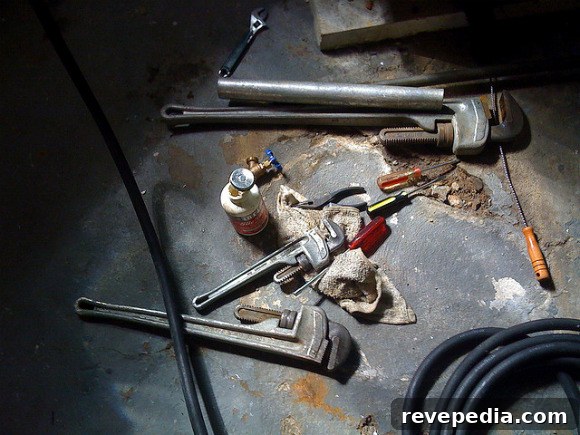
- Pipe Wrench – A 14-inch pipe wrench is the most versatile size for household plumbing. It provides strong leverage for tightening and loosening threaded pipes and fittings. Look for a model with durable jaws and a comfortable handle to reduce hand fatigue during extended work.
- Acetylene Torch – For soldering or brazing copper pipes, an acetylene torch supplies the high heat needed for reliable joints. If you only plan occasional light work, a propane torch can suffice, but larger or frequent copper-soldering projects benefit from the greater power of acetylene. Always follow proper safety procedures and use fuel from a reputable supplier.
- Reciprocating Saw – A reciprocating saw is invaluable when you need to cut through framing, remove damaged sections, or create access openings in walls or ceiling joists to route pipes. Choose one with variable speed control and the appropriate blades for wood, metal, and composite materials.
- Tube Cutter – Specifically designed for copper tubing, a tube cutter makes clean, precise cuts without the burrs that result from a hacksaw. Smooth ends simplify deburring and ensure better fitting and soldering of pipes, reducing the chance of leaks.
- Selection of Circular Wire Brushes – Small circular wire brushes are essential for cleaning pipe ends and fittings before soldering or applying sealant. They remove oxidation and debris, promoting secure joints. Keep a few sizes on hand and replace them as they wear to maintain effective cleaning performance.
Having these five tools ready will cover most common repairs and installations, from tightening joints to cutting and preparing pipe for fittings. Before starting any plumbing task, shut off the water supply, ventilate the work area when using torches, and wear appropriate protective gear. If a job exceeds your comfort level or involves complex systems like gas lines or major drain issues, consult a licensed plumber.
After completing a project, clean and inspect your tools, store them properly, and perform routine maintenance so they’re ready for the next repair. With the right equipment and safe practices, DIY plumbing can be a rewarding and cost-effective way to maintain your home.
Photo courtesy of flickr/geoffeg