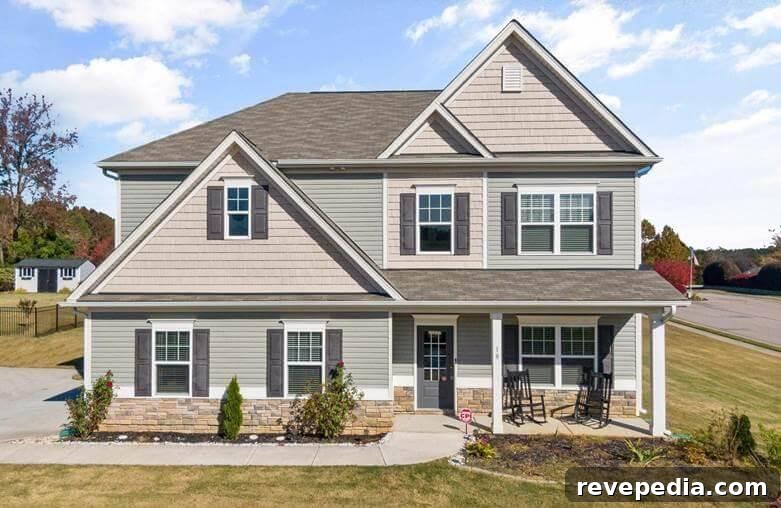
Most homeowners rarely examine the exterior of their house closely. Because you see it every day, you stop really noticing it. A color fades, a trim chip appears, or a feature begins to look dated. At first it registers; then it fades into the background. Life goes on, and the front of the house simply sits there.
Changes usually occur in small steps rather than as part of a grand plan. Someone replaces a broken shingle and realizes the whole roof looks tired. A freshly painted front door suddenly highlights worn trim. One minor update often points out another area that needs attention, and gradually the exterior evolves through a series of modest decisions.
Upgrading Your Roof for Style and Function
The roof is one of those elements that blends into the background until a problem brings it into focus.
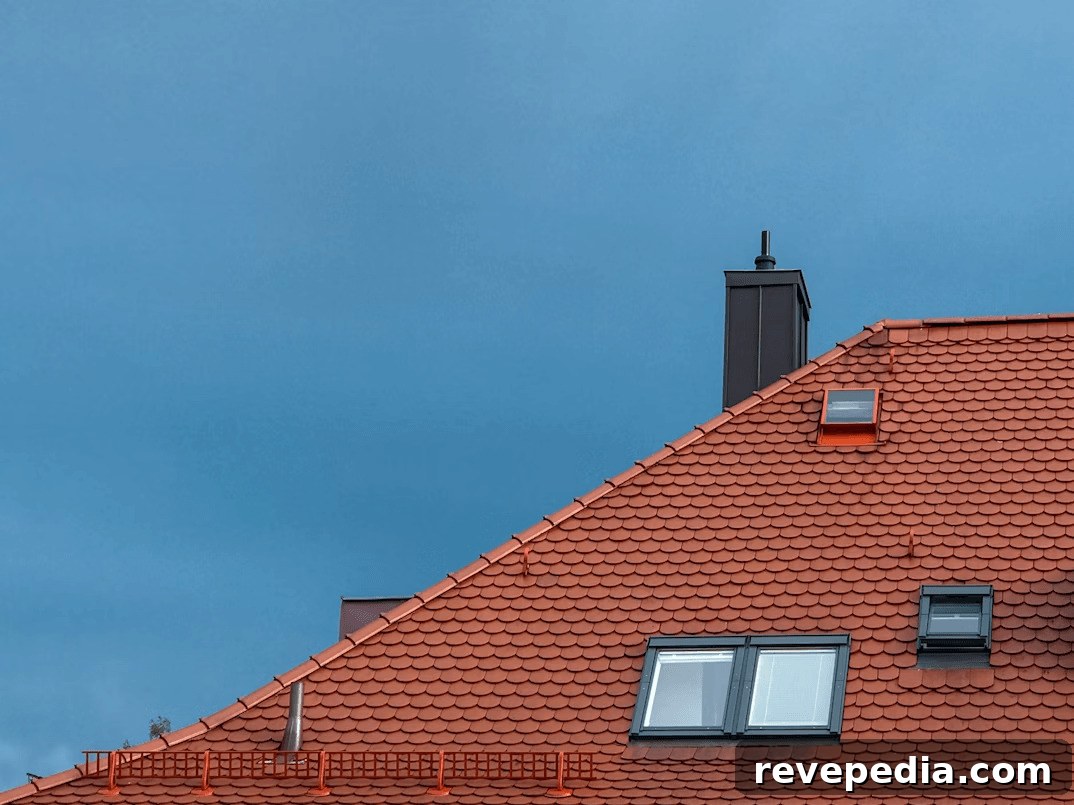
Often a small issue—an unexpected leak, a patch that looks uneven from the curb, or simply aging materials—prompts homeowners to call a professional roofer. When repaired or replaced, a new roof improves weather protection and gives the house a more cohesive, refreshed appearance. Modern materials and a broader palette of colors make it easier to select options that complement the rest of the home without overwhelming it.
Clean Lines and Simple Design Choices
Many homes are moving away from decorative details that demand constant upkeep—excessive trim, layered moldings, and ornamental features that peel, warp, and require frequent repainting. Over time, the maintenance they require can outweigh the visual benefit.
What remains tends to read cleaner and more intentional: straight lines, smoother finishes, and fewer elements competing for attention. The goal is not to chase a specific trend but to remove components that no longer make sense for the house and its maintenance needs.
Outdoor Lighting That Feels Natural
Outdoor lighting is easy to get wrong and easy to overlook. Many homes either have too much light in the wrong places or not enough where it matters—a harsh floodlight over the garage, a dark stretch along the pathway, or an entryway that disappears at night.
Well-designed lighting should be unobtrusive. Soft fixtures near the entry, low-level path lights, and a few discreet roofline fixtures can make the house feel more composed after dark. Thoughtful lighting improves safety and curb appeal while remaining understated.
Mixing Materials Without Overthinking It
Some of the most interesting street-facing homes achieve their character almost by accident: a repaired section in stone, a wooden-clad bay, or a rendered wall beside brickwork. These variations often happened for practical reasons but ended up giving the facade more depth.
A deliberate mix of materials can work beautifully if applied with restraint. When materials are introduced naturally—or when a small, well-considered change is made without overloading the design—the result is subtle contrast that adds interest without dominating the overall look.
Garage Doors Becoming Part of the Design
On many houses, the garage door occupies more of the front elevation than any other single element. Yet it’s often chosen last and updated least. An outdated door with a faded finish can drag down the appearance of the whole facade, even if the rest of the house is well maintained.
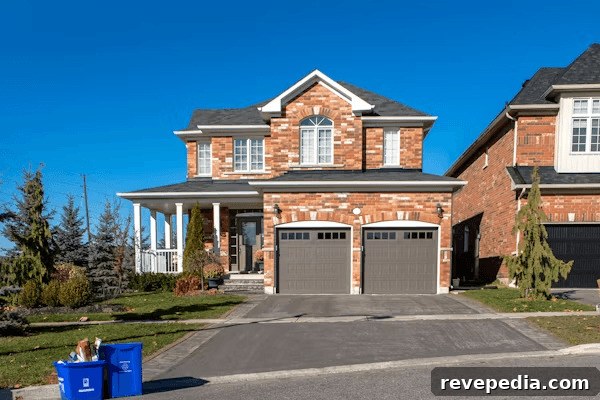
Contemporary garage door designs offer cleaner profiles, more durable finishes, and color options that relate better to the rest of the house. Replacing a dated door is a straightforward upgrade that often produces an immediate and visible improvement.
Landscaping That Grows with Time
Front gardens rarely undergo dramatic transformation; they evolve. A plant gets replaced, a bed is tidied up, a struggling specimen is removed and replaced with something hardier. Over a few seasons, these incremental changes shape how the property reads from the street.
There’s also a shift toward lower-maintenance planting schemes that look good year-round without constant effort. Simpler designs, resilient species, and reduced labor result in gardens that remain tidy and appealing through the seasons.
Energy-Efficient Features That Blend In
Energy upgrades often start as practical decisions—new systems, higher bills, or the opportunity created by other renovations. Solar panels, improved insulation, and upgraded glazing are common improvements.
These features are integrating more seamlessly than in the past. Solar panels sit lower and align more closely with rooflines; new windows match existing frames and proportions; insulation and other upgrades can be installed with minimal visual disruption. The house remains recognizable, just updated to be more efficient.
Smart Features That Stay in the Background
Smart devices—cameras, smart locks, and video doorbells—are now common enough that they no longer demand attention, which is exactly the point. Early models were bulky and obvious; newer versions are compact, well-finished, and easy to position so they perform their function without dominating the facade.
When integrated thoughtfully, these devices deliver convenience and security while staying visually unobtrusive.
The exterior of a home changes gradually through a succession of small choices. A repair often leads to an upgrade, which in turn makes something else look out of place and ready for improvement. Over time, these accumulated decisions make the house feel intentionally considered rather than patched together.
No single trend defines this process. It’s the accumulation of fitting, modest choices—materials, finishes, lighting, and practical upgrades—that collectively shape a more cohesive, enduring exterior.