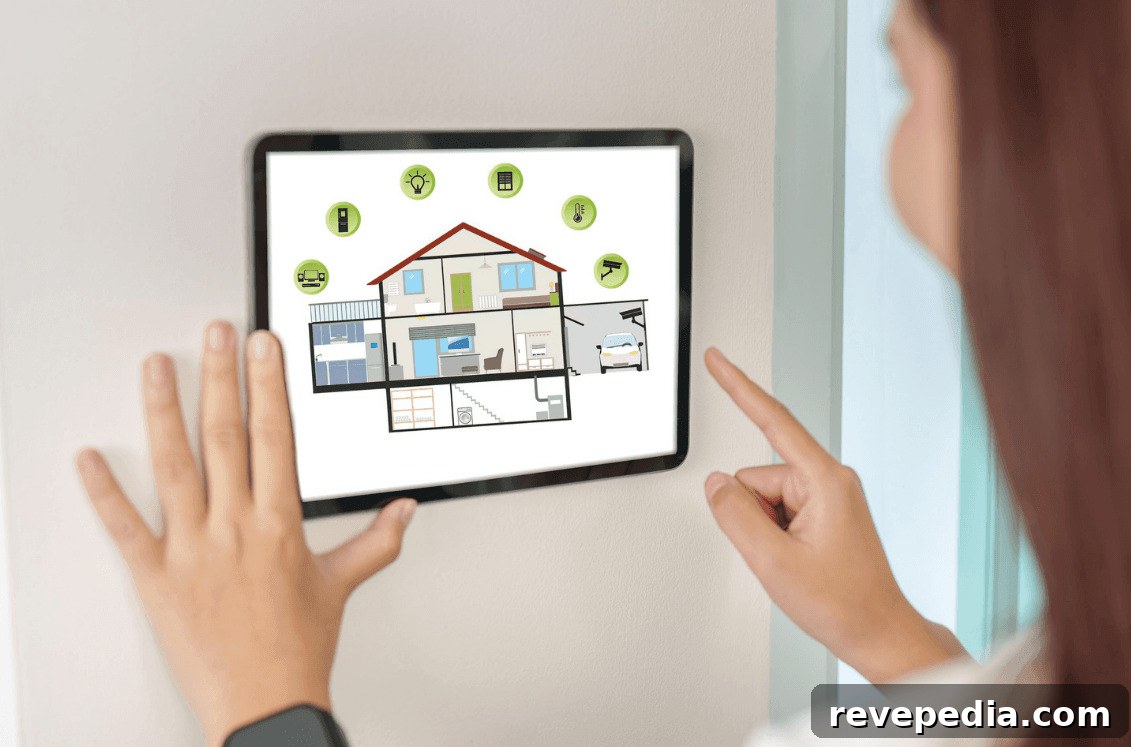
Smart home features are now a major consideration for homeowners looking to increase resale value. Buyers today expect modern conveniences that improve comfort, efficiency, and security without requiring major renovations. Installing the right technologies can make a property more attractive on the market while also improving everyday life for the current owner.
The key is to select upgrades that are practical, reliable, and broadly appealing rather than highly specialized or overly complex systems that may put off prospective buyers.
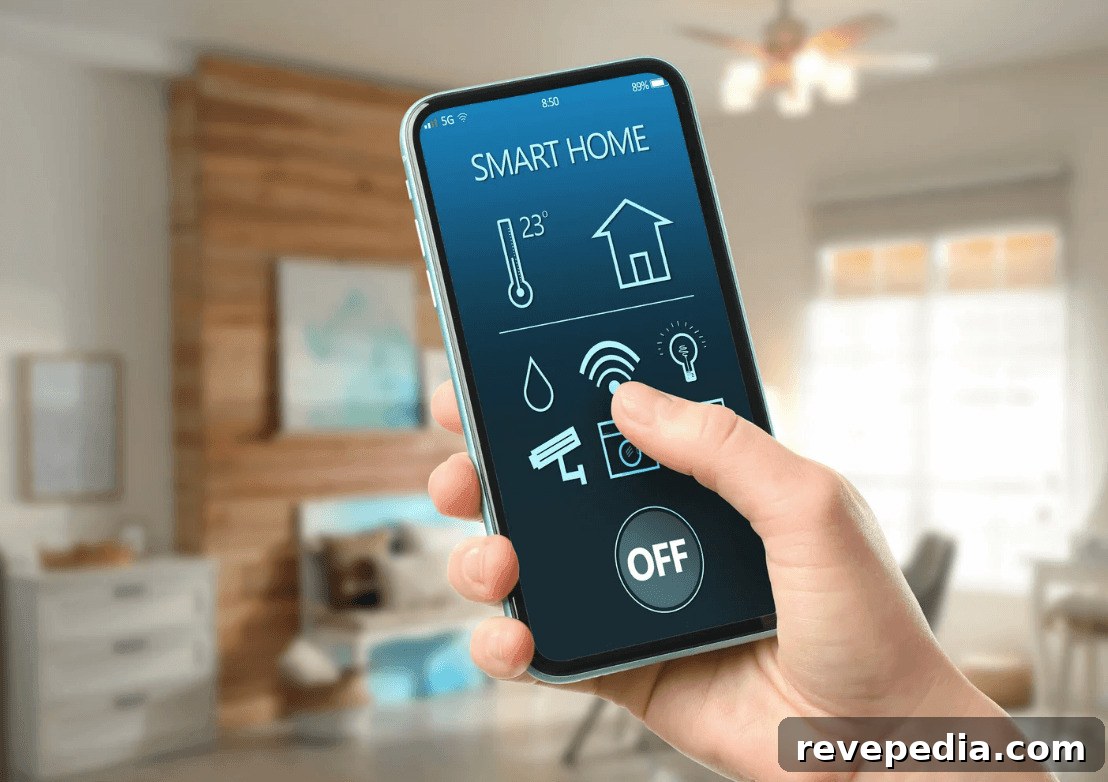
Planning Smart Home Installation Priorities
Before investing in smart home features, homeowners should decide which devices will deliver the most value. Not every technology appeals equally to buyers, so planning helps avoid unnecessary expenses and ensures upgrades match local market expectations. Focus on systems that enhance security, energy efficiency, and convenience—qualities that consistently resonate with buyers.
Consider how different systems will interact. A coordinated plan prevents compatibility problems later and provides a smoother experience for occupants and visitors. Simpler, unified ecosystems are typically more attractive than a patchwork of devices that require multiple apps or platforms.
Choosing Systems Aligned With Property Type
Smart upgrades should be tailored to the property. A compact condo benefits more from compact security solutions and smart lighting, while a larger house can justify built-in climate control and multi-room automation. Aligning the scope of upgrades with the property maximizes usefulness and perceived value.
Think about long-term maintenance as well. Buyers prefer systems that are easy to manage and supported by established manufacturers. Choosing well-known brands and widely adopted technologies reduces future replacement or upgrade headaches for new owners.
Security Systems And Buyer Confidence
Security remains one of the most compelling selling points for smart home tech. Integrated cameras, motion sensors, and remote monitoring create a tangible sense of safety, which can significantly influence buyer decisions. Properties that feel secure often command higher offers.
Modern security systems also let homeowners monitor their homes while away, adding both convenience and peace of mind. In competitive markets where buyers view multiple properties quickly, security features can be a decisive advantage.
Smart Locks And Monitoring Solutions
Smart locks are an effective way to enhance both convenience and security. Keyless entry, temporary access codes, and remote locking are useful during showings and ownership transitions, reducing reliance on physical keys and projecting a modern, well-managed home.
Real estate agents often highlight smart security features because they help a property stand out. Cohesive systems make a home appear move-in ready, positively influencing buyer interest and perceived value.
Energy Management And Efficiency Upgrades
Energy efficiency is increasingly important to buyers as utility costs rise. Smart technologies that monitor and control energy use make homes more attractive and economically sensible in the long run. Appliances and systems that track consumption demonstrate both technological sophistication and cost-consciousness.
Energy-saving upgrades also appeal to eco-conscious buyers. Properties with efficient systems tend to draw more attention in listings and can stand out during the early stages of the buyer’s search.
Smart Thermostats And Utility Savings
Smart thermostats are among the most popular energy-saving upgrades. They allow remote control of heating and cooling, provide usage insights, and automatically adjust temperatures based on occupancy. These features reduce energy waste while maintaining comfort.
Over time, smart thermostats can significantly lower utility bills, which many buyers view as a practical, ongoing benefit. Such systems are often seen as investments that continue to pay off after purchase.
Automated Lighting Systems
Lighting automation enhances convenience and ambiance. Smart lighting enables scheduling, remote dimming, and scene-setting to match different times of day. This not only improves energy efficiency but also elevates the home’s atmosphere.
Automated lighting can also serve as a security feature by making a home appear occupied when it is not, adding another layer of perceived value and reassurance for prospective buyers.
Voice Control And Daily Convenience
Voice control has become widespread in modern homes. It simplifies daily routines by allowing users to control lights, thermostats, and entertainment systems with spoken commands. This convenience appeals to buyers seeking an intuitive, streamlined experience.
When voice control is well integrated across devices, it creates a cohesive user experience that can leave a strong impression during showings and open houses.
System Integration And Compatibility
Ensuring systems work together seamlessly is critical to a successful smart home installation. Interoperability reduces frustration and improves usability for current residents and future buyers. An integrated setup is far more appealing than a collection of disjointed devices.
Choosing platforms that support multiple device types and offer centralized control delivers a polished, modern presentation. This approach helps the home feel organized and up-to-date rather than fragmented or overly technical.
Preparing A Property For Market Appeal
Before listing, confirm that all smart systems are fully functional and easy to use. Clear instructions and user-friendly controls can significantly influence buyers’ impressions during showings. A well-maintained smart system signals that the property has been cared for thoughtfully.
Smart home features can help a property stand out in competitive markets. Properly selected and maintained technologies can attract stronger offers and more serious attention from qualified buyers, reinforcing the home’s appeal and potential resale value.