
By the time you hold the keys to a house in Lenexa, dozens of people have already examined your purchase: a lender checked your credit, an inspector crawled the attic, and an appraiser compared comp sales. Yet when it comes to moving day, many buyers abandon process and simply call the first company that answers. That casual approach is how crews show up hours late on the only day the sellers agreed to be out. Below is a more reliable sequence to follow so your move goes smoothly.
Start with the date, not the mover
Your move date isn’t a preference—it’s driven by your closing. Closings often shift: funding can be delayed, repair credits renegotiated, or title issues can emerge at the last minute. Before calling movers, decide two things: your ideal move date and a backup date in case the closing slips three to five business days.
Ask every company you contact how they handle rescheduling and whether there are fees. A mover that treats date changes as routine likely works regularly with buyers and understands the process. A company that penalizes schedule changes heavily may create unexpected costs or stress. If your closing falls between late May and August, schedule earlier than feels necessary—those months are peak moving season and month‑end Fridays fill quickly across the metro area.
Confirm they are actually licensed to do the job
Request the carrier’s USDOT number and, if any part of your move crosses state lines, their interstate operating authority. These identifiers can be verified through the Federal Motor Carrier Safety Administration systems, where inspection and crash history are available. It takes only a few minutes to confirm the carrier’s public record.
For moves entirely within Kansas, federal interstate rules don’t apply the same way; intrastate household moving is overseen by the state. Ask the company which authority governs your move and what specific consumer protections apply. A legitimate operator will explain this calmly; if the response is vague or defensive, keep calling. Also verify the business address—companies with a physical warehouse in the metro have a different accountability profile than operations that exist only by phone and website.
Insist on an in‑home or video survey
Phone quotes for a whole household are guesses. A real estimate comes from someone walking your current home or, at minimum, conducting a video walkthrough and inventorying your belongings. During that survey, make sure the estimator evaluates the destination as well as the origin. Your new Lenexa house affects labor and logistics: is the driveway steep, is there a long carry from the street, are there tight stair turns, or is the basement finished? An estimator who looks only at your old place has not priced your actual move.
Learn the three estimate types before you compare
Many first‑time buyers compare numbers that aren’t apples to apples. Understand the three common estimate types:
- Non‑binding estimate: an approximation. Final cost is based on actual weight or hours and can legitimately be higher.
- Binding estimate: a fixed price for the inventory listed. If your inventory grows, the price changes; an accurate inventory sheet matters.
- Binding not‑to‑exceed: a guaranteed ceiling. You pay the lower of the estimate or the actual cost.
When collecting three quotes, confirm they are the same estimate type. A low non‑binding number beside a binding not‑to‑exceed quote is not a fair comparison. Also read exclusions: long carries from truck to door, stair charges, shuttle services when a full truck can’t reach the house, appliance disconnection, and specialty handling for pianos or safes are common additional line items. Ask which of these apply to your move.
Understand what valuation coverage actually pays
Movers generally offer valuation options, which are not the same as traditional insurance. The two standard levels are very different. Released value protection is the no‑cost default and pays a fixed amount per pound per article. That can be acceptable for heavy, low‑value goods, but for electronics or antiques it often feels inadequate because payout is weight‑based, not value‑based.
Full value protection costs extra and obligates the mover to repair, replace, or settle at current market value. Ask about deductible options, exclusions, and how the company treats self‑packed boxes—many movers treat them differently from crew‑packed boxes. Also check your homeowners policy, since coverage for goods in transit varies; it’s better to know what your policy covers before move day.
Match the mover to your actual house
Lenexa’s housing stock varies, and the type of home affects the crew and equipment you need. Older homes near Old Town often feature narrow stairs, tight doorways, and basements accessed by a turn that two movers will feel immediately. Newer subdivisions on the west side typically offer wider driveways and easier truck access but sometimes require longer carries from curb to door.
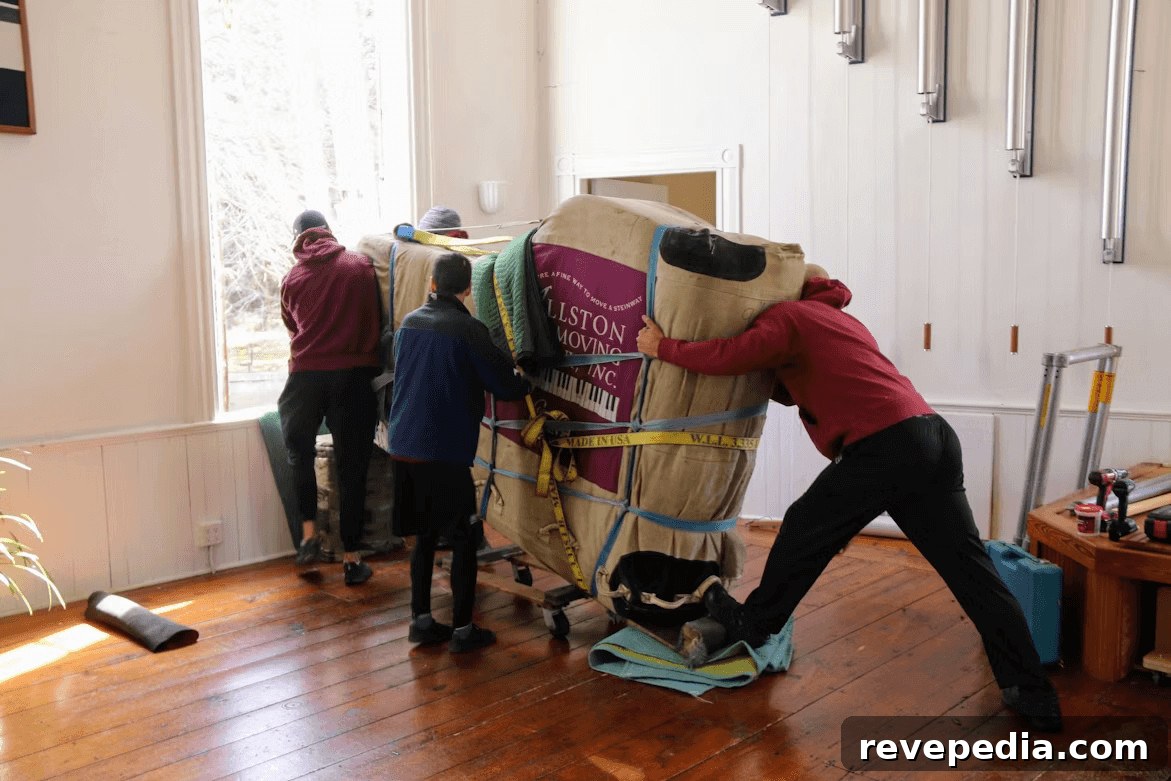
Ask how many crew members will be assigned, whether they are company employees or day laborers, and who the on‑site lead will be. Confirm protection standards—floor runners, door jamb padding, and blanket wrapping for furniture. Established companies that operate a local warehouse often include these protections as baseline; if a quote presents basic protection as an add‑on, ask why.
Watch for the standard red flags
- A large cash deposit requested up front
- No written estimate, or a quote given entirely over the phone for a full house
- A blank or partially filled contract presented for signature
- No physical business address you can verify
- Pressure to decide immediately because a date is “about to go”
- A price dramatically below other quotes you gathered
Any one of these is a reason to slow down. Two of them together is a clear signal to walk away.
The checklist, condensed
Before you sign:
- Set your target date and a fallback if the closing slips.
- Verify the USDOT number independently.
- Complete an in‑home or video survey that includes the destination.
- Obtain three quotes of the same estimate type and review exclusions.
- Choose a valuation option deliberately and understand deductibles.
- Confirm crew size, on‑site lead, and protection standards.
- Get a complete written contract with nothing left blank and avoid large cash deposits.
You spent months being meticulous about the house purchase. Give the final ninety minutes of the process the same attention to protect your time, money, and belongings on move day.