Remote work has become a lasting part of many people’s lives since the pandemic, and creating an effective home office is now more important than ever.
I’ve worked remotely for 15 years and learned that a well-designed home office is essential to sustained productivity. Building a space that supports focus and creativity can be challenging, so this guide walks you through practical steps to design and organize a home office that boosts efficiency and inspires consistent work.
Understanding the Importance of a Productive Home Office
A productive home office is more than a desk and a chair; it’s an environment that supports your best work. The layout, lighting, and overall atmosphere affect motivation, concentration, and performance. Thoughtful design reduces friction and makes it easier to maintain a steady workflow.
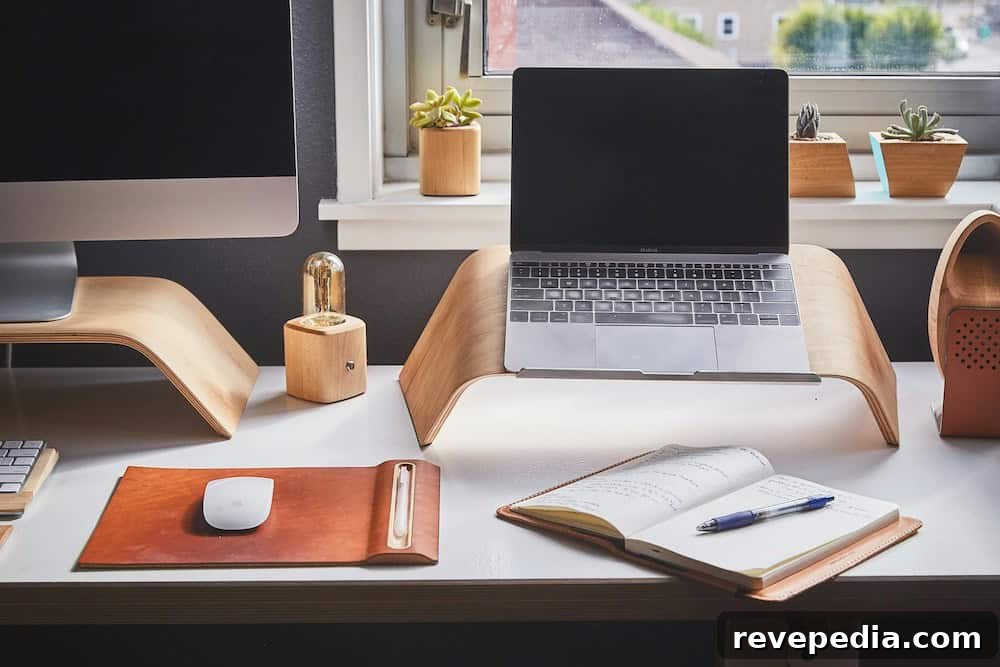
Creating a productive space means curating elements that encourage creativity and efficiency. Natural light, plants, or a few motivational pieces can lift your mood and help you sustain energy throughout the day without distracting clutter.
The Impact of Your Environment on Work Efficiency
Your home office environment directly influences how well you work. A cluttered, disorganized space makes it harder to concentrate; a tidy, well-arranged workspace promotes focus and productivity. Invest time in organizing to remove distractions and make your workflow smoother.
Personal touches—like family photos or meaningful artwork—create a sense of comfort and connection that can improve well-being. Pair these with ergonomic furniture and practical organizing tools to reduce physical strain and streamline daily tasks.
Balancing Home Comforts with Professional Needs
A home office should feel professional yet comfortable. Balancing function and coziness helps you stay motivated and relaxed while maintaining performance. Too much of either extreme—sterile formality or casual clutter—can undermine productivity.
Add a soft rug or a comfortable chair to make the space inviting, and designate a small area for breaks—a reading nook or a spot for short stretch sessions can help you recharge. These thoughtful touches keep you engaged while preventing burnout.
Choosing the Right Location for Your Home Office
Where you place your home office affects concentration and comfort. Consider light, noise, and accessibility when choosing a room, and use creative solutions if space is limited.
Beyond functionality, think about ambiance: a view of greenery or calming colors can enhance creativity and reduce stress. Add plants, simple artwork, or personal objects to make the room inviting without overcrowding it.
Factors to Consider When Selecting a Room
When picking a room, prioritize natural light and low noise. A quiet space away from daily household traffic will help you focus. Also assess how the room’s layout suits your work style—some people prefer open, airy spaces while others do better in cozy, enclosed areas.
Choose a spot where you can control interruptions and set clear physical boundaries between work and home life to protect your focus and mental separation.
Dealing with Space Constraints
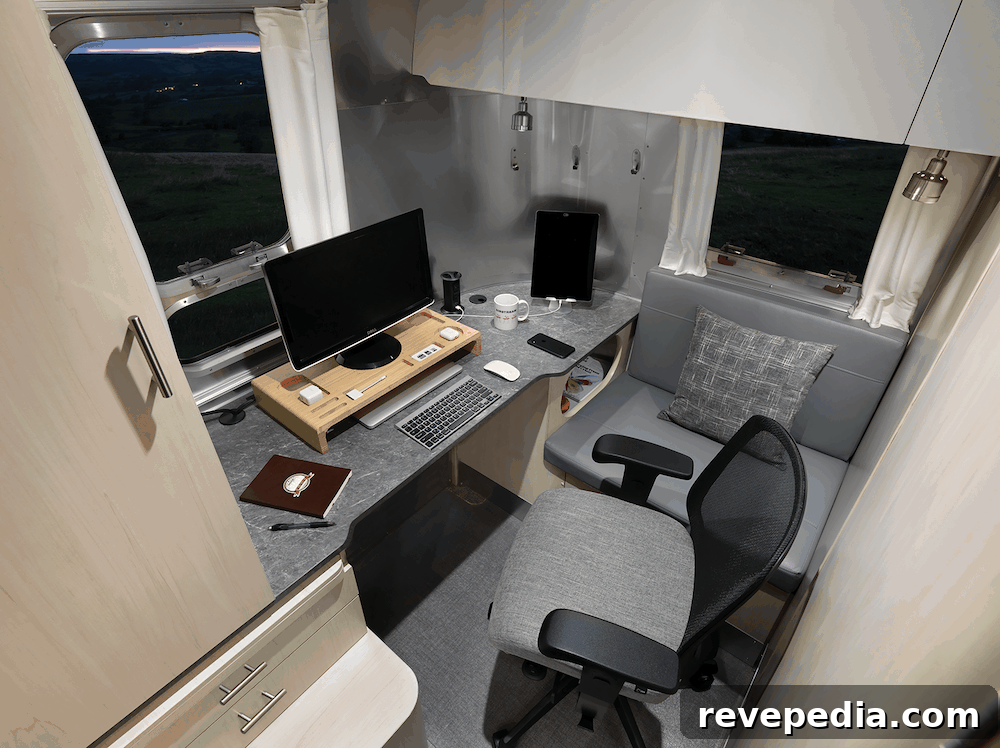
Short on space? You can still create an efficient office. Use vertical storage, wall-mounted shelves, or a narrow desk to maximize floor area. Convert small nooks, closets, or under-stair spaces into compact workstations with clever organization.
Multifunctional furniture—desks with built-in storage, fold-down tables, or mobile carts—helps you make the most of limited square footage while keeping essentials accessible and out of sight when not in use.
Designing Your Home Office for Maximum Productivity
Design with both function and comfort in mind. Ergonomics, furniture choices, and proper lighting all shape how well you work. Thoughtful design reduces fatigue and helps maintain focus over long work sessions.
Consider the psychological effect of your environment as well: a space that feels orderly and purposeful supports better habits and more consistent output.
The Role of Ergonomics in Office Design
Ergonomics prevents strain and keeps you productive. Choose a chair with good lumbar support, an adjustable desk that fits your posture, and ergonomic peripherals like a keyboard and mouse to minimize discomfort. Small adjustments—screen height, chair angle, and foot support—make a big difference over time.
Bringing in natural elements, like plants or wood textures, can reduce stress and improve cognitive performance. Even simple green accents can make the room more pleasant and restorative.
Selecting the Right Furniture for Your Workspace
Select furniture based on how you work. If you need multiple monitors, choose a desk with enough surface area and cable management. If storage is a priority, pick units that organize paperwork and supplies without crowding the space. Functional, durable pieces reduce distractions and help you stay organized.
Personalize with meaningful items that motivate you—art, a favorite mug, or a small shelf of books—while keeping the overall layout uncluttered.
The Power of Lighting in Enhancing Productivity
Lighting affects energy, mood, and eye comfort. Maximize natural light by positioning your desk near a window, and supplement with task lighting for focused work. Adjustable or dimmable fixtures let you tune the light for different tasks and times of day, reducing eye strain and helping maintain alertness.
Warm ambient light can be soothing for low-focus tasks, while brighter, cooler task lighting is better for detailed work. Layer lighting to achieve both comfort and functionality.
Organizing Your Home Office for Efficiency
An organized office saves time and mental energy. Storage that fits your workflow and a regular decluttering routine keep the space functional and calm.
Implementing Effective Storage Solutions
Choose storage that matches how you work: open shelving for frequently used items, closed cabinets for distractions, and file systems for paperwork. Keep daily essentials within reach and use labels or simple categorizations to make retrieval fast and consistent.
Keeping Your Workspace Clutter-Free
Clutter distracts. Schedule short regular cleanups to remove unnecessary items, archive old documents, and maintain only what you need on your desk. A clean workspace reduces decision fatigue and helps you start each day with a clear plan.
Personalizing Your Home Office
Your home office should reflect your personality and support creativity. Thoughtful personalization can make work more enjoyable without becoming a distraction.
Incorporating Elements of Your Personal Style
Display a few items that resonate with you—artwork, photos, or objects tied to your values or goals. These elements make the space feel yours and can provide small motivational boosts during the workday.
Using Decor to Inspire Creativity and Focus
Choose decor that supports your mental state: plants for calm and cleaner air, colors that energize or soothe depending on your needs, and textures that add warmth. Aim for a balanced environment where visual interest doesn’t compete with concentration.
By understanding the role your environment plays and applying practical design, ergonomic, and organizational strategies, you can create a home office that enhances productivity and supports your professional goals.
A thoughtfully designed and organized home office improves work performance and contributes to a more satisfying work-from-home experience, helping you maintain focus, health, and long-term productivity.