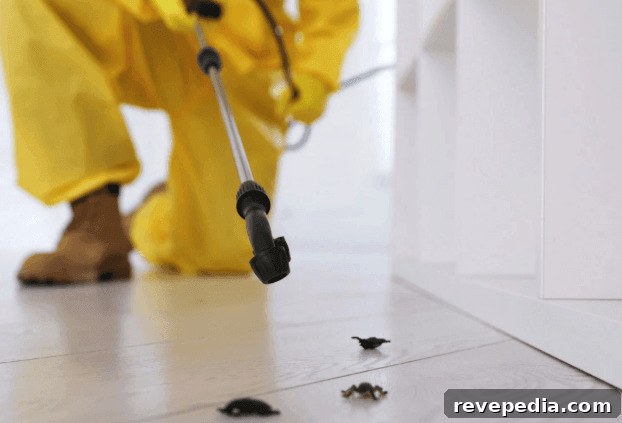
Keeping pests out of your apartment begins with sealing the small gaps they use to enter. Even well-constructed buildings develop tiny openings over time from settling, wear, or shared ventilation systems. These entry points often go unnoticed until pests have already moved in.
Identifying and sealing these openings reduces the chance of infestations and creates a healthier, cleaner living environment without relying solely on chemical treatments.
Common Entry Points in Apartments
Doors and windows are among the most common places pests exploit. Weathering, temperature changes, and everyday use can create small gaps around frames—especially in older properties. While insects can slip through minuscule cracks, rodents can find their way in through somewhat larger openings around worn or damaged areas.
Even slight misalignment in a door or window frame can provide enough space for pests to enter. Sealing those gaps helps keep insects and rodents away from kitchens and other warm areas where food is stored.
Utility Openings and Vents
Utility penetrations—such as pipe entries, cable conduits, and vents—are frequent access points. These openings often link to shared walls, service shafts, or building cavities, making them harder to monitor and maintain.
Insects may travel between units through wall voids, and rodents can use these routes as hidden pathways. Regular inspections of vents and utility feed-throughs help detect vulnerabilities before they become larger problems.
Materials for Sealing Entry Points
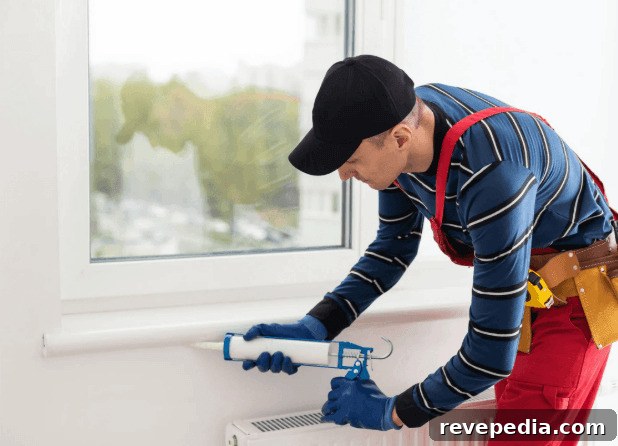
Caulk and silicone sealants are effective for closing cracks and gaps in fixed areas. Apply them around window frames, baseboards, and small wall openings to create a flexible barrier that also improves insulation.
Select a sealant suited to the material and the gap size. When applied correctly, these products provide durable protection and reduce the need for frequent repairs.
Weatherstripping and Mesh Screens
Weatherstripping is ideal for doors and windows that open and close frequently, because it seals gaps without impeding movement. Mesh screens are a practical choice for vents, drains, and other openings where air circulation is necessary.
Properly installed weatherstripping and mesh keep pests out while allowing ventilation, improving comfort and indoor air quality with a relatively simple upgrade.
Steps for Inspecting the Apartment
A methodical inspection will reveal many hidden entry points. Check behind appliances, under sinks, inside cabinets, and along corners where floors meet walls. Look for indicators such as droppings, grease marks, gnawing, or damaged materials.
Use a flashlight to spot small cracks and gaps that are easy to miss. Regular, seasonal inspections help identify issues early so they can be addressed before an infestation develops.
Exterior and Shared Area Checks
Shared spaces like hallways, basements, utility rooms, and exterior foundations can provide routes into multiple units. A single gap in a shared area can affect several apartments.
Inspect around foundations, shared pipe penetrations, eaves, and structural joints. If problems extend beyond your unit, coordinate with building management or maintenance so the source can be sealed at the building level rather than only within one apartment.
Sealing Techniques for Gaps
Sealing small cracks requires few tools but careful preparation. Clean the area to ensure the sealant adheres, then apply caulk or sealant evenly to fill the gap completely. Smooth the surface and allow proper curing time.
Even very narrow cracks should be sealed, since many insects can enter through tiny spaces. Thorough attention to detail builds a continuous barrier that significantly lowers the risk of pest entry.
Larger Openings and Fixtures
Wider gaps around plumbing, wiring, or structural openings require stronger solutions. Expanding foam, backer rod with sealant, or reinforced patch materials work well for these areas.
For enhanced durability, place metal mesh or hardware cloth behind the seal to prevent rodents from chewing through softer materials. Combining mechanical barriers with sealants yields longer-lasting protection.
Maintenance and Prevention
Routine maintenance keeps seals effective. Temperature changes, building movement, and everyday wear can degrade materials over time, so periodic checks and touch-ups are important.
Maintaining cleanliness and good habits reduces the attraction of pests. Store food in sealed containers, manage waste promptly, control moisture, and repair leaks. Even a well-sealed apartment can invite pests if food and water are readily available.
Ongoing Pest Prevention Practices
Long-term pest prevention combines sealing entry points with everyday practices: proper food storage, regular cleaning, waste management, and moisture control. These steps reduce the resources pests need to survive indoors.
When infestations extend beyond what you can manage alone or involve common building areas, coordinate with building management or professional pest control providers to address the root cause and protect multiple units.
Conclusion
Sealing entry points is one of the most effective strategies to keep insects and rodents out of your apartment. By locating weak spots, choosing appropriate materials, and performing regular inspections and maintenance, you can significantly reduce pest activity and avoid larger problems.
With consistent upkeep and sensible daily habits, you can maintain a clean, comfortable, and pest-resistant living environment over the long term.