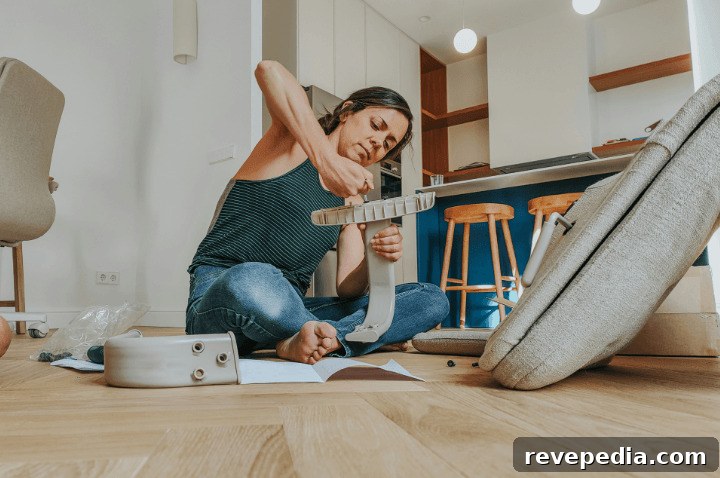
DIY projects offer a unique mix of control and satisfaction. From renovating a garage to building a deck, hands-on work allows homeowners to shape their environment and save money. However, even seemingly simple projects can pose risks when planning, safety, or skill are overlooked.
Many home accidents linked to DIY work aren’t random bad luck; they stem from avoidable mistakes such as rushed timelines, ignored details, and insufficient knowledge of materials and methods. A project that looks solid initially can conceal weaknesses that appear only under stress. Recognizing common DIY pitfalls helps ensure a successful outcome rather than an expensive or dangerous setback.
Start with Proper Planning
A clear plan is the foundation of any successful project. When planning is rushed or incomplete, mistakes multiply: measurements are guessed instead of verified, materials are selected without considering longevity, and structural factors are missed. These early errors often force mid-project changes that increase the risk of further mistakes.
Planning means understanding how new work integrates with the existing structure. Removing part of a wall, extending a deck, or reconfiguring a garage can change load distribution, electrical layouts, or moisture flow. Ignoring these interactions can lead to instability or damage down the line.
Consider visibility and safety features during the planning phase as well. For example, installing safety mirrors or similar devices requires thoughtful placement to be effective. Overlooking these details may mean costly or disruptive retrofits later.
Without a detailed plan, important connections and consequences are easy to miss. The result may look complete but lack the durability or stability needed for long-term use. Investing time up front to map each step reduces guesswork and keeps the build structurally sound.
Permits and Building Codes
Permits and local codes exist to ensure work meets safety and structural standards. Failing to obtain required permits or ignoring codes can lead to fines, forced removal of completed work, or unsafe conditions. Checking regulations before starting avoids legal complications and ensures the project meets accepted safety practices.
Respect Structural Strength and Build Quality
Structural integrity is one area where shortcuts can have serious and lasting consequences. Walls, supports, and framing must withstand more than routine use; they must endure weight, movement, and unforeseen impacts. Cutting corners on these elements risks failure under stress.
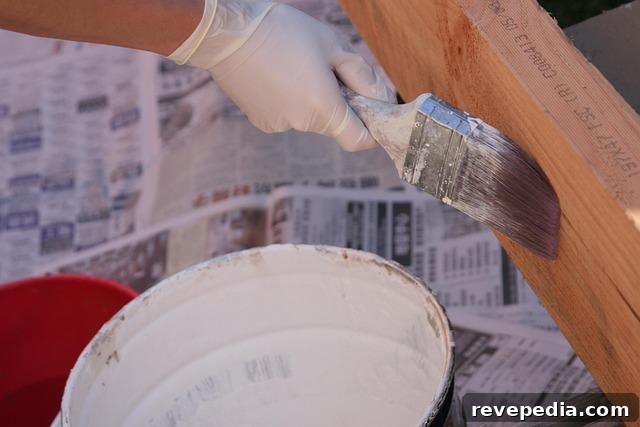
Even finishes like paint can affect a home’s longevity: when selected or applied incorrectly, coatings can trap moisture or fail to protect surfaces properly, which may contribute to deterioration. Improper techniques and substandard materials reduce resilience and increase repair needs.
Severe incidents—such as vehicle collisions into a home—highlight the importance of robust construction. In those situations, compromised structures require stabilization and professional assessment. Poor DIY work can leave parts of a home vulnerable when unexpected forces occur.
Use Tools Correctly and Wear Proper Safety Gear
Tools are essential to DIY, but misuse or complacency around tool safety is a major cause of accidents. Power tools deserve particular respect: a dull blade, improper setup, or loss of control can cause injuries in seconds. Many accidents happen when users become overconfident and skip fundamental precautions.
Personal protective equipment—eye protection, gloves, hearing protection, and appropriate footwear—should never be set aside because a task feels routine. Those short, casual jobs are precisely when mistakes often occur.
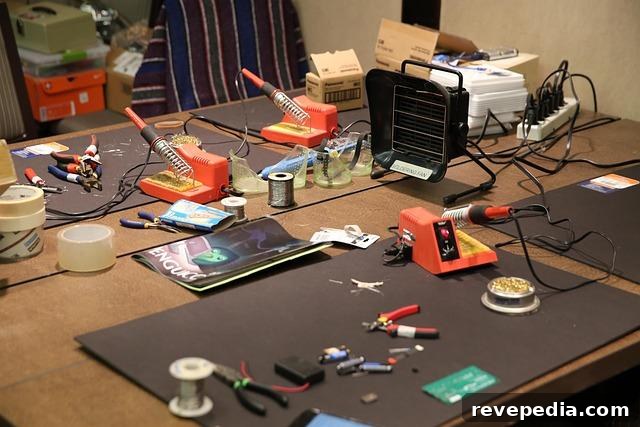
Maintaining a tidy, well-lit workspace with stable work surfaces and clear walkways reduces hazards. Regular tool inspection and maintenance are also critical: checking for worn parts, loose components, or electrical damage before use prevents unexpected failures. Sharpening blades, lubricating moving parts, and replacing damaged pieces keeps tools reliable and safe.
Tool Maintenance Frequency
Inspect tools before each major use, especially power tools. Look for frayed cords, loose fasteners, worn blades, and any signs of malfunction. Follow manufacturer maintenance schedules for servicing, blade or bit replacement, and cleaning to ensure safe, efficient performance.
Take Your Time with Electrical and Plumbing Work
Electrical and plumbing systems require steady attention and respect for standards. Rushing through these systems often creates hidden problems: loose connections, overloaded circuits, or poorly sealed joints that may go unnoticed until they cause damage or present hazards.
DIY tutorials can be helpful, but homes vary—older wiring, nonstandard layouts, and aging plumbing introduce complexity. Small mistakes in these systems tend to worsen over time, increasing repair costs and disruption.
After any electrical or plumbing work, double-check every connection, test systems thoroughly, and adhere to best practices and codes. For plumbing, consider pressure regulation: incorrect water pressure can stress pipes, fittings, and fixtures, potentially causing leaks or bursts. Using pressure regulators where appropriate and testing the system after installation helps ensure long-term reliability.
Electrical errors—such as improper outlets, overloaded circuits, or unsafe extension cord use—are common causes of household fires and damage. Taking the time to follow correct procedures and, when necessary, consulting a professional reduces risk and protects both people and property.
Approach DIY with Responsibility
DIY projects give homeowners freedom to improve and personalize their spaces, but they also carry responsibility. The most common mistakes are often the simplest: skipping planning, rushing work, or ignoring basic safety measures. Those choices can lead to accidents that harm structures and the people using them.
A well-executed project combines thoughtful preparation, correct techniques, and an understanding of how each element interacts with the rest of the home. Approaching projects methodically—planning carefully, using the right materials and tools, and following safety practices—delivers results that are both durable and safe, and minimizes the risk of costly, preventable accidents.