Seasonal items often take up more space than expected, especially when they are not stored efficiently. Holiday decorations, tools, winter clothing, and outdoor gear all require thoughtful storage to stay in good condition and remain easy to access when needed.
A well-planned storage system protects your belongings and keeps your home organized year-round. It reduces clutter, speeds seasonal transitions, and helps preserve items so they remain ready for use.
This guide offers practical tips for storing seasonal items safely, maximizing available space, and keeping everything organized without unnecessary hassle.
1. Plan Ahead and Assess Your Space
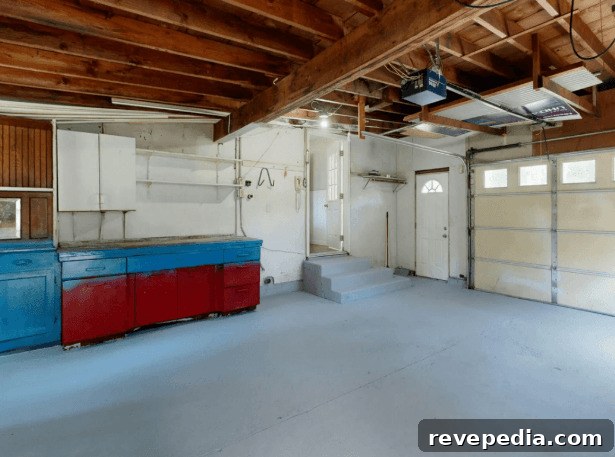
Before you start packing seasonal items away, assess the storage areas you have—closets, basements, attics, garage space, or an external unit. Evaluate each area’s suitability based on temperature, humidity, pest risk, and accessibility. Delicate decorations, electronics, and certain fabrics may need more stable conditions than bulkier items.
Create a simple inventory that lists what you need to store and the space each item requires. A brief plan up front makes the process faster and less overwhelming, and helps you decide what stays at home and what should go to an off-site unit.
2. Clean Everything Before Storing
Cleaning items before storage prevents long-term damage from dirt, stains, or trapped moisture. This step reduces the risk of mold, mildew, and pest attraction.
- Clothing: Wash, dry, or dry-clean seasonal garments like coats, sweaters, and outerwear. Ensure everything is completely dry to prevent mold.
- Holiday Decorations: Wipe down ornaments and décor, especially fabric pieces like wreaths or tree skirts, to remove dust and prevent staining or mildew.
- Outdoor Gear: Clean tents, camping chairs, boots, and sports equipment to remove soil and moisture that could cause mildew or corrosion.
Clean items store better and are more pleasant to unpack when the season returns.
3. Choose the Right Storage Containers
Select storage containers based on the item type and the storage environment.
- Plastic Bins: Clear, sturdy plastic bins are ideal for most items—clothing, decorations, and sporting goods. They stack well and protect contents from dust and pests, while visibility helps you find items quickly.
- Vacuum-Sealed Bags: Use these for bulky textiles like blankets, comforters, or out-of-season clothing to save space and reduce bulk.
- Specialty Boxes: Garment bags, ornament boxes with dividers, or acid-free storage for delicate textiles and papers help prevent crushing and deterioration.
Choose durable containers that match the weight and fragility of the contents to keep things organized and protected.
4. Label Everything
Clear labels save time and frustration. Instead of vague terms, use descriptive labels that specify the contents. Adding dates or the season helps you rotate items and track how long things have been stored.
- Descriptive Labels: Use labels like “Christmas Ornaments,” “Winter Coats,” or “Camping Gear” rather than broad categories.
- Include Dates: Labels such as “Winter 2024” or “Holiday Decorations 2024” help you know when items were packed and when to inspect or replace them.
Spending a few minutes labeling boxes pays off when you need to find items quickly.
5. Properly Store Seasonal Clothing
Store clothing in ways that preserve fabric and shape.
- Garment Bags: Use breathable garment bags for coats, suits, and formal wear to protect from dust while allowing air circulation.
- Avoid Wire Hangers: Use padded or wooden hangers to maintain the shape of jackets and dresses.
- Fold Larger Items: Fold sweaters and blankets neatly and avoid overpacking boxes to prevent deep creases and fabric stress.
These steps help keep seasonal garments ready to wear and in great condition.
6. Consider a Secure Storage Unit
If home space is limited, renting a secure storage unit can be a practical choice. A good facility offers climate control, pest management, and security features that protect valuables from temperature swings, humidity, and theft.
When choosing a unit, evaluate features like climate control, pest control measures, 24/7 surveillance, and convenient access hours. A nearby unit makes retrieving seasonal items simple and keeps rarely used possessions out of your living space.
7. Use Vertical Space and Optimize Storage
Think vertically to maximize capacity without sacrificing floor space. Shelving, overhead racks, and wall-mounted systems keep containers off the floor and make better use of high or awkward spaces.
- Stack Bins Strategically: Place heavier bins at the bottom and lighter ones on top to avoid crushing fragile items.
- Install Shelving: Add adjustable shelves in closets, basements, or garages for smaller items and seasonal décor.
Maximizing vertical space helps keep living areas uncluttered and makes seasonal swaps faster and neater.
8. Consider Temperature Control
Certain items—electronics, artwork, leather goods, and some fabrics—are sensitive to extreme temperatures and humidity. Attics and uninsulated basements can expose stored items to damaging conditions.
Climate-controlled storage units or well-insulated home storage areas maintain consistent temperatures and humidity levels to prevent mold, warping, and deterioration over long-term storage.
Conclusion
Storing seasonal items doesn’t have to be difficult. With advance planning, proper cleaning, suitable containers, clear labeling, and optimized use of space, you can protect your belongings and make them easy to retrieve. Whether you use in-home solutions or a secure off-site unit, these steps help keep your items in great condition and make seasonal transitions smooth and stress-free.