
Do you enjoy getting hands-on with DIY projects, even if things get messy? The satisfaction of a finished project usually makes the chaos worthwhile.
Compare that experience to a construction site: nothing begins or ends casually. Every task is broken down, coordinated, and planned before the first cut is made.
No matter the size of your project, there are universal lessons to learn. As an enthusiastic DIYer, you’ll benefit from adopting proven habits from the construction world.
Certain practices common in construction help teams complete projects with greater accuracy and fewer setbacks. Below are four practical lessons from construction zones that every DIY home project should follow.
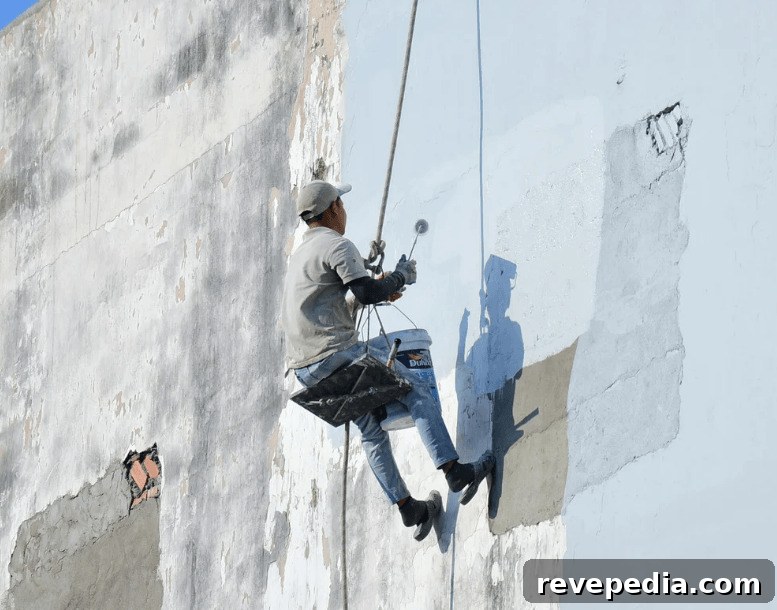
Proper Setup Determines the Project’s Success
On any construction site, the final result is shaped long before physical work begins. Teams survey the area, establish measurements and reference points, and schedule material deliveries and staging. The goal is to organize workflow in advance so that execution proceeds smoothly.
Supply chain and logistics problems are a persistent source of disruption in construction. When deliveries and staging aren’t coordinated, materials can be delayed, damaged, or misplaced—delays that cascade through the project schedule.
Even though large-scale construction faces risks such as transport accidents and site injuries, the underlying lesson is applicable to DIY projects: start with a strong plan. Poor planning at the outset often leads to misplaced materials, inefficient movement, and wasted time.
Key setup practices DIYers should adopt:
- Define the project layout and dimensions before you begin.
- Confirm measurements and establish reliable reference points early on.
- Plan delivery, unloading, and storage zones ahead of time.
- Keep a clear path for moving materials and equipment to avoid bottlenecks.
Outdoor Work Calls for a Slower, More Deliberate Pace
Outdoor conditions are inherently variable—ground surfaces shift, weather changes, and unexpected hazards arise. Construction sites mitigate these risks by slowing the pace when conditions demand it.
For DIY projects, especially outdoors, the same principle applies: prioritize control over speed. Rushed work on decks, fences, or sheds often creates more problems than the task’s technical complexity might suggest.
Strategies to maintain safety and quality for outdoor DIY work:
- Check ground leveling at multiple points rather than relying on a single reference.
- Re-measure after placing materials; alignment can change as you work.
- Secure materials before cutting or fastening, particularly on windy days.
- Work in small, completed sections rather than trying to do everything at once.
- Pause work if weather changes substantially—wind, heat, or moisture can compromise results.
- Use temporary bracing to prevent movement while installing components.
Adopting a slower, more methodical approach reduces mistakes and accidents, preserves materials, and delivers cleaner results.
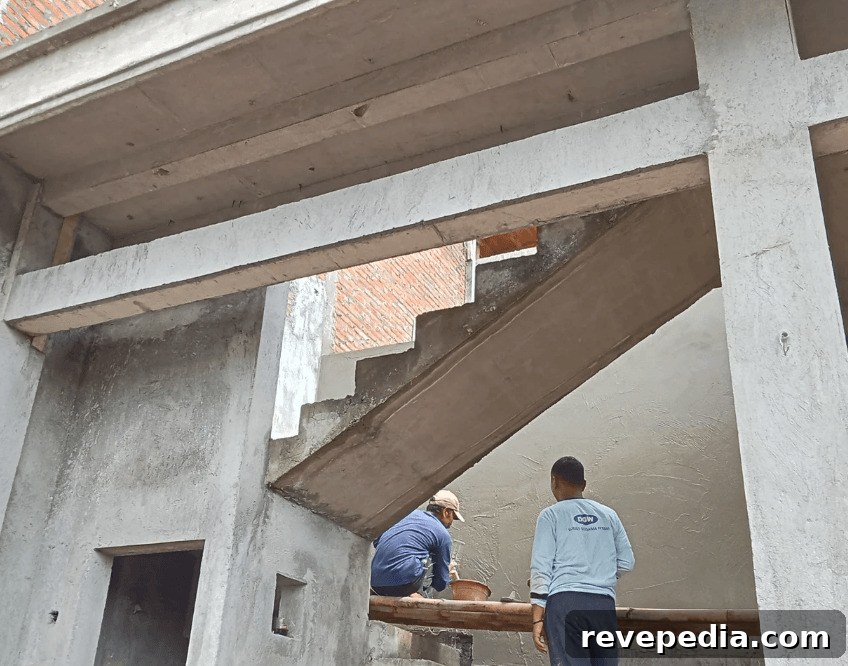
Good Tool Habits Produce Better Results
Construction workers follow strict habits when it comes to tools—how they’re used, positioned, and inspected. Those habits aren’t arbitrary: they reduce errors and prevent injuries.
Many construction accidents stem from improper ladder placement, unsecured materials, or using tools that are dull or poorly maintained. For DIYers, forming disciplined tool habits prevents mistakes and keeps projects on track.
Practical tool-use guidelines:
- Secure materials before cutting, drilling, or fastening to prevent movement.
- Mark cuts and guide lines before making any cuts to ensure straight, accurate results.
- Choose the right tool for each task to avoid damage and poor quality.
- Inspect tools before use—loose parts or dull edges reduce control and increase risk.
- Maintain a steady grip and stable stance to improve precision and safety.
Consistent tool habits reduce downtime, build confidence, and lead to fewer mistakes and better long-term outcomes.
Thoughtful Material Handling Shapes Every Phase of a Project
No construction project succeeds by improvisation alone. From delivery timing to storage locations, materials are managed deliberately to protect quality and preserve workflow.
The construction industry’s large scale only magnifies the importance of careful material handling, but the same principles apply to DIY projects: poorly stored or exposed materials can be damaged and undermine the final result.
Material-handling tips for DIYers:
- Map where each material will be stored to minimize unnecessary movement.
- Keep materials off the ground and protect them from moisture and direct exposure.
- Group similar items together so they’re easy to find and use.
- Use proper lifting techniques and equipment for heavy items to prevent injury.
- Minimize repeated handling by staging materials in the order they will be used.
Having a clear materials plan reduces interruptions, saves effort, and helps the project progress smoothly to completion.
If your DIY projects have felt like you’re figuring things out as you go, take this as encouragement to adopt a more intentional approach. Construction sites don’t thrive on guesswork—success depends on planning, discipline, and methodical execution.
Next time, begin not with a tool in your hand but with a plan in your mind. Stop winging it: apply these construction-smart practices, and your DIY projects will consistently improve in safety, efficiency, and final quality.