Have you ever seen the commercial where a husband pressure washes the deck and accidentally blasts away the outdoor furniture? It’s hilarious—and it highlights both the power and the potential pitfalls of using pressure washers. When used correctly, pressure washers (also called power washers) are extremely useful for many outdoor maintenance tasks. This article explains practical, safe uses for a pressure washer and helps you decide whether purchasing one is worth it.
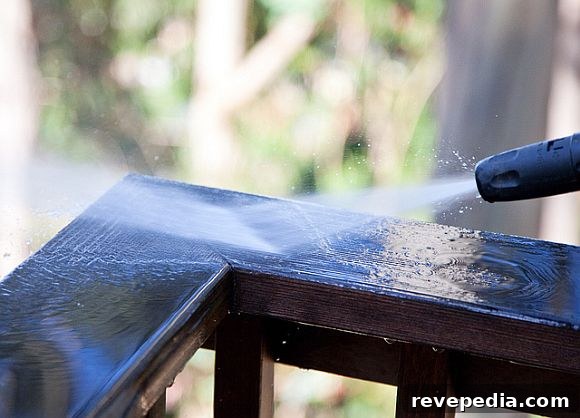
Before buying a pressure washer, consider how often you’ll use it. Even basic models usually start around $100, so if you only need it for a single job, renting or borrowing may be more economical. If you anticipate multiple seasonal uses—cleaning siding, decks, patios, roofs, or removing basement efflorescence—a personal machine could be a smart investment. Below are common, effective uses and some safety tips to maximize results and avoid damage.
1. Clean Home Exteriors
Pressure washers are ideal for removing dirt, pollen, mildew, and grime from exterior walls, especially when surfaces are durable materials like vinyl or fiber cement siding. Use a lower pressure setting or a wide-angle nozzle for painted surfaces, since strong water pressure can strip loose or aging paint. If you plan to repaint, removing loose paint first may be helpful; otherwise, exercise caution to avoid creating repair work.
2. Restore Decks and Patios
Decks, patios, and concrete walkways respond well to pressure washing for removing algae, mold, and ground-in dirt. Clear all furniture, planters, and grills before you begin, and sweep loose debris first. Use a fan-tip nozzle at moderate pressure and keep the wand moving to prevent gouging wood or etching concrete. For wooden decks, follow up with appropriate deck cleaners or brighteners and consider re-staining to prolong life.
3. Remove Efflorescence in Basements
Efflorescence—white salt deposits that form when water migrates through brick or masonry and evaporates—can be unsightly and problematic when you want to paint or finish a basement wall. Start by scraping loose salt crystals with a putty knife or stiff brush. A pressure washer can then remove remaining residue and deep-seated deposits more effectively than brushing alone. Use a gentle pressure setting and keep the nozzle at a distance to avoid damaging mortar joints.
4. Clean Roofs and Gutters
Keeping roofs free of moss, debris, and leaves improves drainage and extends roofing life. Pressure washers can clear shingles or metal roofing, but use caution: excessive pressure can damage shingles or force water beneath them. Use a low-pressure setting and a wide-angle spray, working from the top down so water flows off the roof. Before washing, remove large debris by hand and ensure gutters and downspouts are clear so runoff drains properly and does not pool near foundations.
Safe Practices and Tips
- Choose the right pressure: Use lower pressures for softer materials like wood and painted surfaces, and higher pressure for durable surfaces like concrete.
- Select the proper nozzle: Fan nozzles distribute pressure more evenly; narrow nozzles concentrate force and can cause damage.
- Keep distance: Hold the nozzle several feet away and move it closer only if necessary, keeping the wand in constant motion.
- Protect plants and delicate fixtures: Cover or rinse sensitive plants, and avoid spraying electrical fixtures or vents.
- Wear safety gear: Eye protection, gloves, and sturdy footwear are recommended to prevent injury from spray and debris.
If you don’t own a pressure washer yet, weigh the cost versus frequency of use and the types of jobs you’ll perform. For homeowners who plan regular exterior cleaning, a pressure washer pays off in convenience and results. If you already own one, what surfaces have you successfully cleaned? Pressure washers are versatile tools when used carefully—just don’t aim them at your patio furniture unless you want to recreate that commercial!