
Someone on a renovation forum recently shared the misadventure of retilling a bathroom while living out of boxes at a friend’s place across town. Drive over, work until dark, drive back. After two weeks, they discovered they’d used the wrong grout color — twice.
That kind of mistake is all too common. People who renovate while moving tend to rush, and rushing a DIY project is an open invitation for problems. According to U.S. Census Bureau data on geographic mobility, roughly 11% of Americans changed residences last year. Many of those movers face overlap periods where the old home needs repairs, the new place isn’t move-in ready, or both.
That gap between homes creates a constant pressure to finish projects quickly, which amplifies stress and errors.
The “Living Elsewhere” Tax
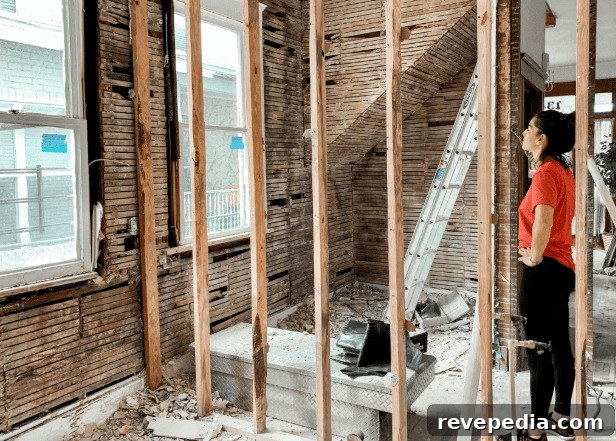
There’s a hidden cost few people talk about: when you’re not sleeping where the work is happening, every forgotten tool or missing supply becomes a long errand. A quick run that would take five minutes when you live on-site can turn into a 40-minute round trip when you’re staying across town. If you have to coordinate contractors or check the job from a temporary rental, those extra trips and logistics add up quickly.
Relocating professionals and frequent business travelers know the routine. Staying in short-term furnished accommodations works if the temporary place is comfortable enough to let you focus. But the time overhead is real. Every site visit takes more of your day, every decision requires travel, and timelines stretch.
Experienced DIYers sometimes estimate adding roughly 30% more time when you’re not on-site — which often translates to about 30% more cost as well.
Buying All Your Materials Up Front
Buying all materials at once can feel efficient: you’re already at the store and have a truck, so you load up for the next few weekends. But during a move, plans change. A flooring choice that looked right in the store might clash with existing trim. You might uncover water damage or unexpected structural issues behind walls. When you’re juggling moves and renovations, surprises are more likely because there’s less time for thorough inspection.
That means bulk purchases can become expensive mistakes — opened boxes of tile or hundreds of dollars of trim that can’t be returned. Staging purchases, though it requires more trips, reduces the risk of wasting money on materials you won’t use.
Skipping the Proper Sequence
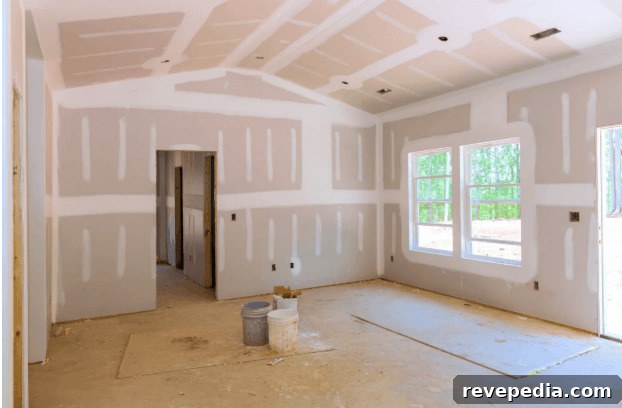
Contractors follow a specific sequence for a reason: rough work like framing, electrical, and plumbing must be completed before drywall, trim, and finishes. The urge to fast-track and jump straight to cosmetic improvements is strong, especially for people away from home for work or living in temporary quarters. Painting, fixtures, and trim give a visible sign of progress, which feels rewarding.
But finishing cosmetic work before the underlying systems are settled often creates rework, hidden damage, and wasted money. The house doesn’t care about your schedule — it demands that steps be done correctly, in order. Rushing past structural or mechanical work because you want quick wins can lead to costly fixes later.
In practice, that means resisting the temptation to complete finishes until the rough work is inspected and finalized. Yes, the bathroom may stay imperfect a bit longer, but delaying the aesthetic payoff can save time and money overall.
Renovating while moving is doable, but it demands extra planning and patience. Add time buffers for travel and coordination, buy materials in stages to avoid waste, and follow the proper sequence of work. Those adjustments won’t make the process painless, but they will reduce mistakes, unexpected costs, and the kind of facepalm moments that come from grout showing up the wrong color after two weeks of effort.