Shorter days are inevitable as we approach the colder months and the end of Daylight Saving Time. In a few weeks we’ll “fall back,” and evening light will become scarcer. This makes now an ideal time to plan outdoor updates that enhance both safety and curb appeal. Landscape lighting is an effective, relatively simple way to brighten your home’s exterior, extend usable outdoor time after dark, and create a warm, welcoming atmosphere for guests throughout the season.
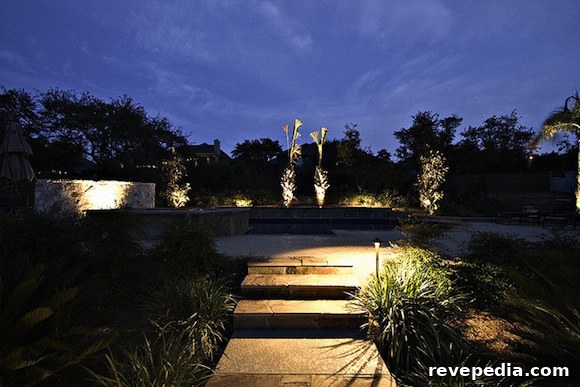
When you add landscape lighting, you accomplish several goals at once. Properly placed fixtures increase visibility along pathways and driveways, improving safety for family members and visitors. Soft, well-directed light highlights architectural features, plantings, and entryways, boosting your home’s curb appeal and creating a cozy, inviting vibe for evenings and holiday gatherings. Landscape lighting also deters potential intruders by eliminating dark hiding spots near doors and windows.
Most low-voltage landscape lighting systems are designed for homeowner installation, which makes them an affordable home improvement option. Before you begin, choose a system and fixture style that complements your home’s exterior. Options range from minimalist recessed path lights to classic lantern-style fixtures; the latter provide a timeless look that pairs well with a variety of architectural styles. Consider the overall aesthetic you want—warm, amber-toned bulbs create a traditional, cozy feel, while cooler white lights provide a more modern appearance.
Fixture quality and system complexity influence price. A basic kit with a small transformer and a handful of stakes is budget-friendly and suitable for illuminating a short walkway or highlighting a single planting bed. Larger properties or more elaborate designs—such as multiple accent zones, spotlights for trees, or uplighting for façades—may require additional fixtures, a more powerful transformer, or professional consultation to achieve optimal spacing and brightness.
Installation is straightforward for many homeowners. After selecting and purchasing your system, unpack the components and lay them out along the areas you plan to light—walkways, porches, steps, and the driveway are common starting points. Before burying any cable, sketch a simple layout on paper so you know where each fixture and splice will sit. Mark the locations on the ground with small stakes or flags.
To install, lift the turf or loosen soil along the route where the low-voltage cable will run. A spade or flat-edged shovel makes this task easier and helps preserve the sod for replacing later. Lay the cable in the shallow trench, spacing fixtures according to the manufacturer’s recommendations and your desired light levels. Most landscape fixtures attach to the main cable with quick-connect fittings or small splices—make these connections securely, following the included instructions.
Next, mount the fixtures into the ground or onto hardscaping as specified by the product—some use stakes, others have bases or brackets. Position adjustable heads and shields so light is directed where you want it: down for path safety, up for architectural highlights, or angled for plant accents. Connect the main cable to the transformer, which reduces household voltage to a safe, low-voltage output for outdoor lighting. Place the transformer in a dry, accessible spot near an exterior outlet and use a weatherproof cover if recommended.
Before covering the cable and replacing turf, plug the system into the transformer and test each fixture. This is the best time to fine-tune aiming, adjust beam spread, and verify that all connections work. If a fixture doesn’t light, check the splice or connector and make sure the lamp or LED module is properly seated. Once everything functions correctly, gently replace the sod or soil, packing it carefully around each fixture so elements remain secure but light placement isn’t disturbed.
Care and seasonal maintenance will keep the system performing well. Inspect fixtures periodically for moisture intrusion, clean lenses to preserve light output, and trim back plants that may block beams. In regions with freezing temperatures, consider timer controls or smart plugs to automate nightly operation and conserve energy. If snow and ice are common, take care when shoveling or using snow blowers so fixtures don’t get damaged.
Landscape lighting is a relatively low-cost improvement with immediate benefits: increased safety, enhanced curb appeal, and a more inviting home exterior throughout the darker months. Whether you choose a simple path-light kit or a more complex multi-zone design, careful planning and correct installation will help you make the most of evening hours. If you already have landscape lighting at your home, we’d love to hear what systems and fixture styles you prefer and which configurations worked best for your property.
Photo: Flickr.com/OLP_SanAntonio