Home security matters to everyone, and for many people, owning a firearm is not the best or preferred option. Whether you already have a gun and training or you want alternatives, there are practical, effective measures that can deter intruders, buy you time to call 9-1-1, and help you protect yourself and your family.
1. High-Intensity LED Flashlight
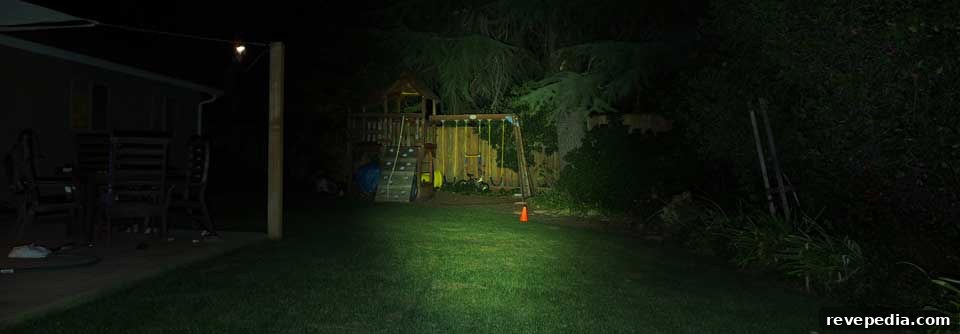
A tactical flashlight with at least 80 lumens is a simple but powerful deterrent. A bright handheld light will illuminate dark corners inside and outside your home without stepping into danger. Keep a reliable flashlight by your bed and in commonly used areas of the house—it’s useful for power outages, checking noises, and temporarily blinding or disorienting an intruder so you can retreat or call for help.
2. Personal Alarm
Handheld personal alarms emit an extremely loud tone—up to around 120–130 dB—with a simple pull of a pin. The piercing sound draws immediate attention from neighbors and passersby and can scare off attackers who rely on stealth. The alarms are designed so they’re difficult for an assailant to silence quickly, increasing the chance someone nearby will respond or call emergency services.
3. Pepper Spray
Pepper spray remains a compact, non-lethal self-defense option. Choose a hand-held canister rather than the smallest keychain varieties: they’re easier to grip, aim, and deploy, and typically offer better range and spray patterns. Store it where you can access it quickly—by the bed, in a purse, or in your car—and practice safe handling and awareness of local laws and restrictions.
4. Motion-Activated Lighting
Most intruders prefer darkness. Motion-sensor lights are energy-efficient and highly effective at exposing someone approaching your home. Install them near entrances, over garages, along pathways, and in backyards to surprise and deter would-be criminals while increasing visibility for cameras and neighbors.
5. Get a Dog
A dog is both a companion and a natural alert system. You don’t need a large guard dog to gain protection—small dogs with sharp hearing can raise an alarm by barking and drawing attention. A barking dog often gives occupants enough time to call for help. If you’re considering a dog for home security, research breeds, temperament, and training to ensure the pet fits your lifestyle and household.
6. Home Security System
Modern home security systems are affordable, modular, and user-friendly. DIY systems offer sensors, cameras, door and window contacts, and alarms that you can install yourself. Many systems connect to smartphones and can send notifications or video clips when activity is detected. A visible camera or sign alone can deter burglars, and a monitored system provides an added layer of response.
7. Know Your Neighbors
Building simple, friendly relationships with neighbors increases neighborhood awareness and safety. You don’t need to be close friends, but greeting each other, noticing unusual activity, and exchanging contact information strengthens community vigilance. Neighbors who look out for one another provide multiple extra sets of eyes when you’re not home and can respond quickly if something seems off.
If you are thinking about purchasing a firearm for home protection, take time to consider the responsibilities involved, including secure storage, training, and the legal and emotional implications. Explore alternatives and complementary measures so you can choose the solution that best fits your circumstances and comfort level.