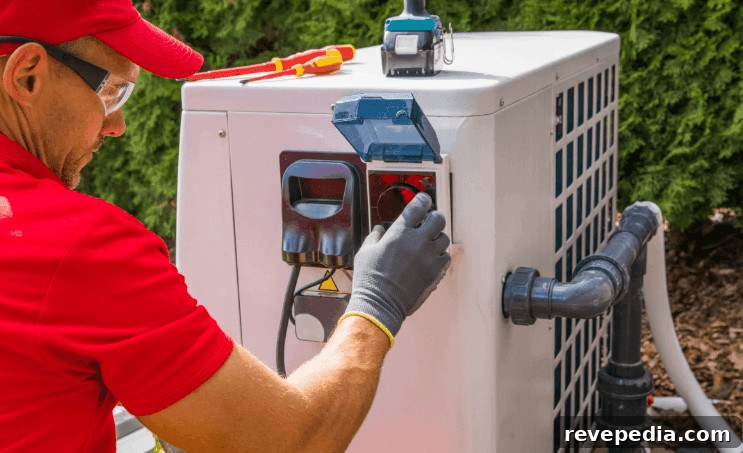
Your heating and cooling system is the hardest-working appliance in your home, yet it’s often overlooked until it fails. Regular, simple maintenance keeps it efficient, quieter, and far less likely to break down on the hottest or coldest day of the year.
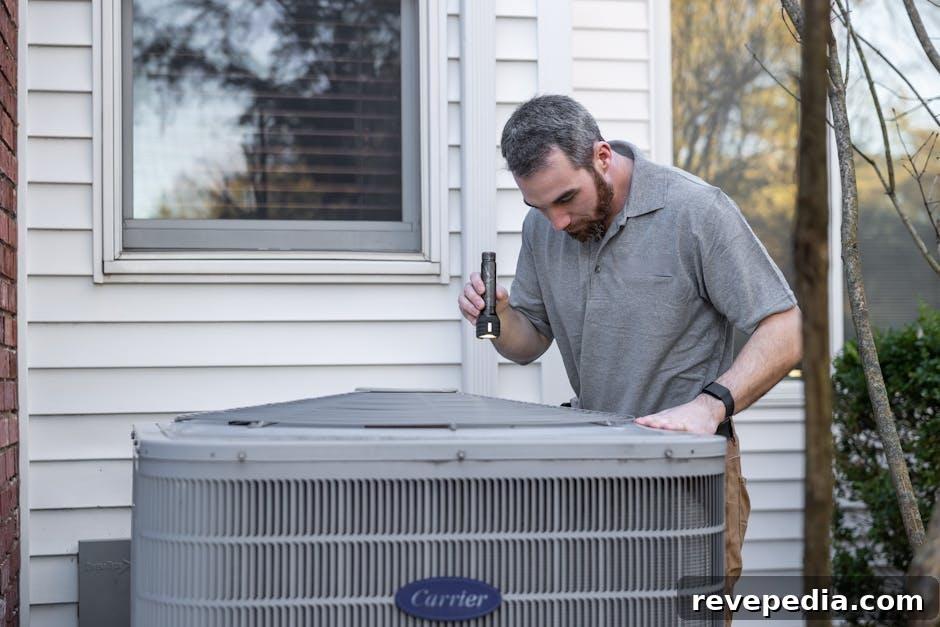
Photo by Kathleen Austin Kuhn on Pexels
Alt text: A technician servicing a home air conditioning unit
Knowing which tasks you can handle and which require a professional is the key. For larger or safety-sensitive jobs, a licensed contractor—such as those serving the Lancaster, California area—is the safer choice. This guide clarifies the difference between homeowner tasks and those that need professional attention.
Why HVAC Maintenance Matters
Neglecting HVAC maintenance is costly in three main ways. A poorly maintained system runs harder, costs more to operate, and has a shorter service life than one receiving basic care. All three outcomes hit your budget.
Efficiency losses are subtle but expensive. A clogged filter or dirty coil forces the system to work harder for the same comfort, quietly inflating energy bills month after month. You often only notice when you compare utility bills.
Reliability issues are more obvious and usually occur at the worst times—during heat waves or cold snaps—when contractors are busiest and emergency repairs are most expensive. Regular maintenance prevents many of those peak-load failures.
Lifespan matters too. Like other home equipment, an HVAC system that is cleaned and serviced regularly will last longer. Replacing a prematurely failed unit is the most expensive outcome of neglect.
DIY Tasks vs. Professional Work
The division mainly comes down to safety and handling refrigerants. Many maintenance tasks are homeowner-friendly, while others are off-limits without licensing. Typical distinctions include:
- Change filters (DIY). The most valuable task—replace monthly or as recommended.
- Clear the outdoor unit (DIY). Remove leaves, grass, and debris to ensure proper airflow.
- Check vents and registers (DIY). Make sure nothing blocks the vents and that airflow is unobstructed.
- Refrigerant work (Pro). Handling refrigerant requires proper certification and equipment.
- Electrical and gas repairs (Pro). These involve safety risks and code compliance; leave them to qualified technicians.
Homeowner tasks are about keeping air pathways and surroundings clean and accessible, which anyone can manage with basic tools. Professional work involves safety, legal, and technical considerations: refrigerant handling, gas line repairs, and electrical service require training and licensing. Attempting those yourself can be dangerous and costly.
How to Reduce Heating and Cooling Costs
Lowering energy bills combines sensible habits with routine maintenance. Comfort and savings go hand in hand when you apply a few practical measures:
- Heating and cooling account for roughly half of a home’s energy use.
- Replace air filters every 1 to 3 months for optimal performance.
- A clean filter can reduce HVAC energy use by up to 15 percent.
- A well-maintained system commonly lasts 15 to 20 years.
These improvements add up over time. A clean filter, sealed ducts, and a programmable thermostat can substantially lower energy use without sacrificing comfort. Behavioral changes help too: set the thermostat back 7 to 10 degrees when you’re away and arrange seasonal tune-ups to keep the system operating efficiently.
When to Replace Instead of Repair
Replacement becomes the better option when ongoing repairs no longer make financial sense. Consider replacing a system when multiple warning signs are present:
| Sign | What It Suggests |
| Age over 15 years | The unit is near the end of its useful life |
| Rising energy bills | Efficiency is declining with age |
| Frequent repairs | Repair costs are adding up quickly |
| Uneven temperatures | The system can no longer maintain consistent comfort |
| Use of R-22 refrigerant | Older refrigerants are phased out and costly to service |
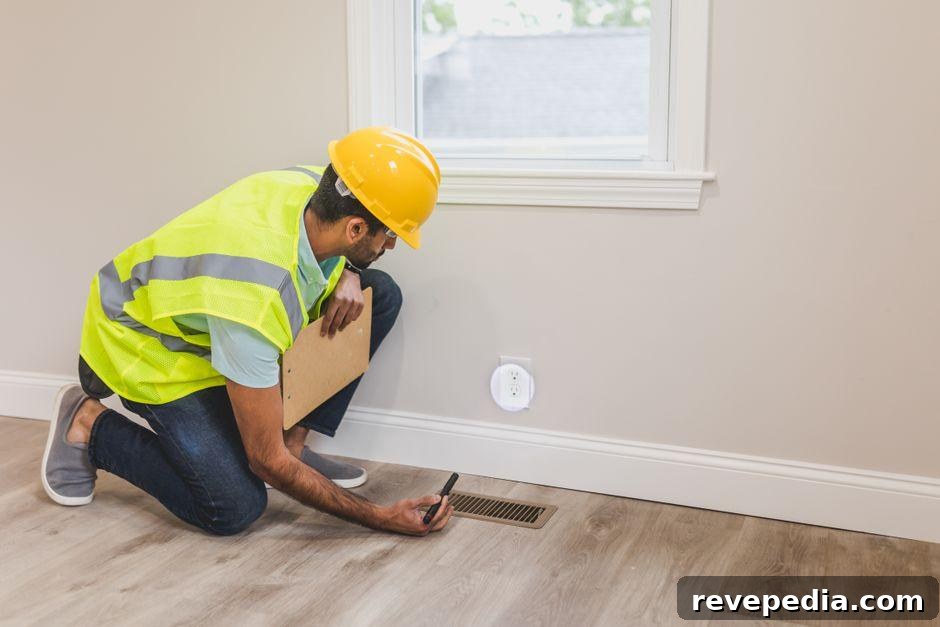
Photo by RDNE Stock project on Pexels
Alt text: A homeowner replacing an HVAC air filter
Any single sign may point to a repair, but several together—especially in a unit older than 15 years—usually indicate replacement is the more economical choice. A trusted contractor can provide honest cost comparisons between repairing and installing a new, more efficient system. Seeking advice before a system fails completely helps avoid rushed, costly decisions.
Practical Steps to Keep Your System Healthy
- Neglect increases bills, raises the risk of breakdowns, and shortens system life.
- Changing filters, ensuring good airflow, and keeping the outdoor unit clear are simple, effective homeowner tasks.
- Refrigerant, gas, and electrical work require a licensed professional.
- Heating and cooling typically account for about half of household energy use.
- When systems are old and repairs are frequent, replacement is usually smarter than continued repairs.
Comfort That Lasts
A small amount of attention goes a long way. Perform the easy maintenance tasks yourself—replace filters regularly and keep the unit and vents clear—and schedule professional tune-ups for seasonal checks and any work involving refrigerant, gas, or electrical systems. That balanced approach keeps your home comfortable and your budget under control throughout the year.
Frequently Asked Questions
How Often Should I Service My HVAC System?
Have a professional perform a tune-up once a year—ideally a heating check in autumn and an air-conditioning check in spring. Between professional visits, change filters every one to three months and keep the outdoor unit free of debris. Regular attention catches small problems early and helps the system handle peak seasons reliably.
Can I Maintain My HVAC System Myself?
Partly. Homeowners can safely change filters, clear debris around the outdoor unit, and ensure vents are unobstructed. Any work involving refrigerant, gas lines, or electrical components should be done by a licensed technician. Stick to the safe tasks and call a pro for the rest.
How Long Does an HVAC System Last?
With routine maintenance, an HVAC system typically lasts 15 to 20 years. Regular servicing, clean filters, and prompt repairs help extend that lifespan. If a system is older than 15 years and requires frequent repairs, replacement with a modern, efficient unit is often the more economical choice.
How Can I Lower My Heating and Cooling Bills?
Start with a clean air filter, sealed ductwork, and a programmable thermostat, and add seasonal professional tune-ups. Setting the thermostat back when you’re away also reduces energy use. Because heating and cooling account for about half of typical household energy costs, these steps can produce significant savings without sacrificing comfort.