
This article is sponsored by Pennington Seed.
Conserving water is an essential part of responsible homeownership. From the kitchen and bathroom to your yard, managing water use saves money and preserves a valuable supply of potable water.
Extreme heat and low rainfall in recent years have stressed many landscapes. Because of ongoing regional variations in precipitation and climate, dozens of states continue to face local or regional water shortages even when formal drought conditions are not declared.
Americans spend many hours each year caring for their lawns, and watering is a major part of that time. Faced with limited water supplies and higher maintenance demands, both new do-it-yourselfers and experienced gardeners are looking for ways to keep yards attractive while reducing water use and maintenance effort.
Below are 10 practical tips to help your landscape stay healthy while conserving water, from Russ Nicholson, Senior Agronomist at Pennington Seed and a Certified Professional Agronomist (CPAg). With more than 35 years of experience in turfgrass research and management, he offers reliable guidance for creating more resilient landscapes.
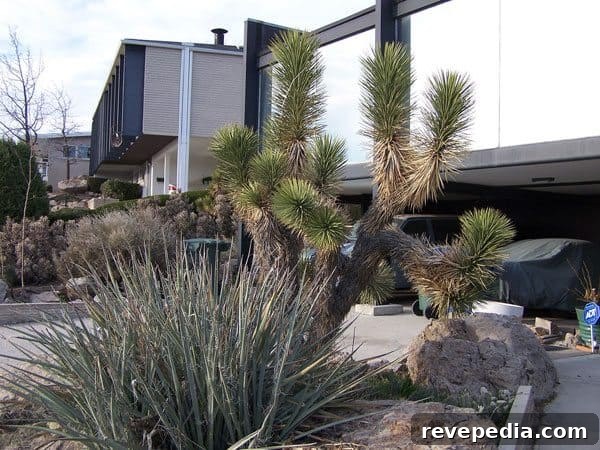
1. Condition plants for drought: You can train plants to tolerate dry conditions beginning in spring by irrigating less frequently but allowing deeper water penetration. While seeds and new transplants need more regular moisture during germination and establishment, once established you should gradually reduce watering frequency and increase the volume per irrigation. This encourages deeper root growth and improves drought tolerance.
2. Install water-efficient systems: Consider drip irrigation for trees, shrubs and defined planting beds. Drip systems deliver water directly to the root zone when needed, reducing evaporation and minimizing wetting of spaces between plants that encourage weeds. Harvesting rainwater in barrels is another way to store water for later use in the landscape.
3. Choose water-wise plants and seed: Select grasses and landscape plants that require less water. High-quality, drought-tolerant seed varieties produce a healthier lawn with lower water demands and less maintenance. For example, certain drought-tolerant lawn seeds remain green for extended periods without supplemental irrigation and can reduce water needs compared with ordinary seed mixes. Choosing seed without fillers helps establish a fuller, more resilient turf that makes efficient use of available water.
4. Avoid overreacting with water: Overwatering is a common problem—people often water entire lawns to cure a few dry spots. Excessive irrigation promotes shallow roots, increases disease, pest and weed pressure, reduces drought tolerance and can create thatch and overly vigorous growth. In many cases, turf does not need water until its color has faded by about 50 percent; when you do irrigate, try to apply roughly one inch of water rather than short, frequent cycles.
5. Check and adjust sprinklers: Make sure sprinklers are aimed at the lawn and planting areas—not driveways, sidewalks or the street. If runoff is visible on hard surfaces, sprinkler heads may be misaligned, output may be excessive for the soil’s infiltration rate, or the soil may already be saturated. Proper alignment and timing reduce wasted water.
6. Water at cooler times: Irrigate in the early morning hours—typically between 4 a.m. and 10 a.m.—to minimize evaporation while allowing turf to dry enough during the day to reduce disease risk. Avoid watering during the hottest midday hours when most water is lost to evaporation.
7. Plan around the wind: Wind can blow water away from planted areas and increase evaporation. Water on calm days or when winds are minimal to ensure water reaches the root zones where it’s needed.
8. Use mulch to retain moisture: Mulch applied over soil helps preserve moisture during seed germination and plant establishment. Organic mulches reduce surface evaporation and moderate soil temperature. Leaving grass clippings on the lawn after mowing (grasscycling) also returns moisture and nutrients to the soil, reducing irrigation and fertilizer needs.
9. Sweep instead of hosing: Use a broom to clear driveways, sidewalks and patios rather than washing them with a hose. Sweeping saves substantial amounts of water for non-garden tasks.
10. Fertilize thoughtfully: Proper fertilization supports strong, uniform growth and a healthy, fibrous root system that uses water more efficiently. Healthy plants make the best use of available moisture and are less likely to suffer irreversible damage during dry spells. However, avoid applying fertilizer during severe drought until normal moisture levels return.
When choosing seed, additional considerations can help conserve water:
- High-quality drought-tolerant seed varieties can stay green longer without supplemental irrigation and reduce water needs compared with ordinary seed.
- Seed blends that contain little or no filler establish denser turf faster, reducing the time and water required to achieve a full lawn.
- Purebred, drought-resistant grass varieties help create fuller, healthier lawns that make efficient use of limited natural resources.
Disclosure: This article is sponsored by Pennington Seed. The sponsor did not dictate editorial content. Pennington Seed’s policies align with standard marketing and disclosure guidelines.