
Turning a passion into a business brings a unique thrill. One day you’re restoring a project car in the garage or tackling weekend home improvements, and the next you’re thinking about scaling those skills into a small enterprise. I’ve always enjoyed tools, cars, and hands-on projects, so building a business around that passion felt natural. But enthusiasm alone won’t keep a business afloat.
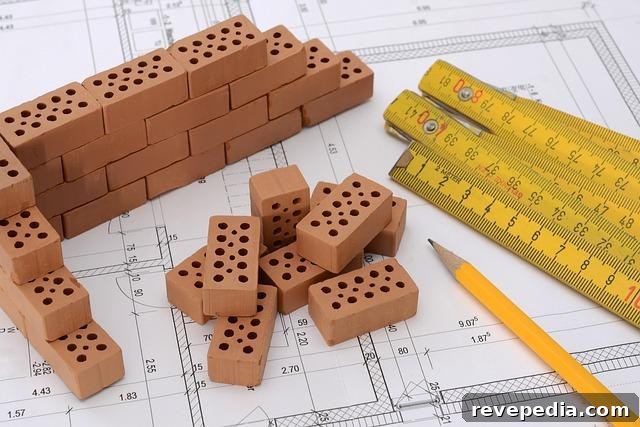
Sooner or later, real-world challenges surface: pricing errors, supply delays, taxes, and wasted expenditures appear quickly. That’s when planning becomes more important than motivation. A blueprint isn’t just for construction—it’s the framework that prevents a business from falling apart when complications arise.

Spot the Problems Before You Start
The biggest mistake I see is people diving into a market without checking demand first. They have a great idea but no confirmation that customers will pay for it. Adopting a blueprint mindset forces you to pause and examine the facts before you spend a single dollar. It’s about being honest when the numbers don’t support the idea.
The real value of a business plan goes beyond securing a loan. It’s not just a formal document for a bank; it’s a reality check for you. A solid plan compels you to answer tough questions now, rather than when your cash flow runs dry. It helps you identify flaws in your assumptions before they become costly problems.
Decision Fatigue: A Quiet Threat to Progress
When you run a business without a plan, every decision feels consequential. Should you buy that software? Should you hire that person? Without guidance, indecision consumes your day. It’s draining—by mid-afternoon your energy is depleted and you haven’t made meaningful progress.
A roadmap lightens that load. If you set direction months earlier, daily choices become straightforward: check the plan, see if an opportunity aligns, and either accept or decline. That simple discipline—saying no when something doesn’t fit—separates businesses that grow from those that merely spin in place. It lets you focus time and effort on revenue-driving activities.
Designing for Growth and Scalability
Many entrepreneurs build businesses that depend entirely on their personal energy. That can work for a while, but it’s inherently limited—you can’t work around the clock forever. A plan helps you define the systems required so the business can operate without you managing every task.
Without a blueprint, you risk building a cage around yourself: you remain the only person who understands core processes, becoming the bottleneck. Planning forces long-term thinking. It highlights where you need help, what can be delegated, and which tasks can be automated. That transformation turns a job into a functioning company.
Final Thoughts
Having a plan won’t guarantee smooth sailing—unexpected setbacks are inevitable. But investing time in a solid blueprint from the beginning gives you a much better chance of weathering challenges without losing momentum.
Whether you’re crafting furniture in the garage, restoring cars on weekends, or converting your love of tools and home projects into a small business, planning matters. Just as you wouldn’t start a major renovation without measurements and a clear strategy, you shouldn’t build a business without a roadmap. A thoughtful plan helps turn a good idea into something that lasts.