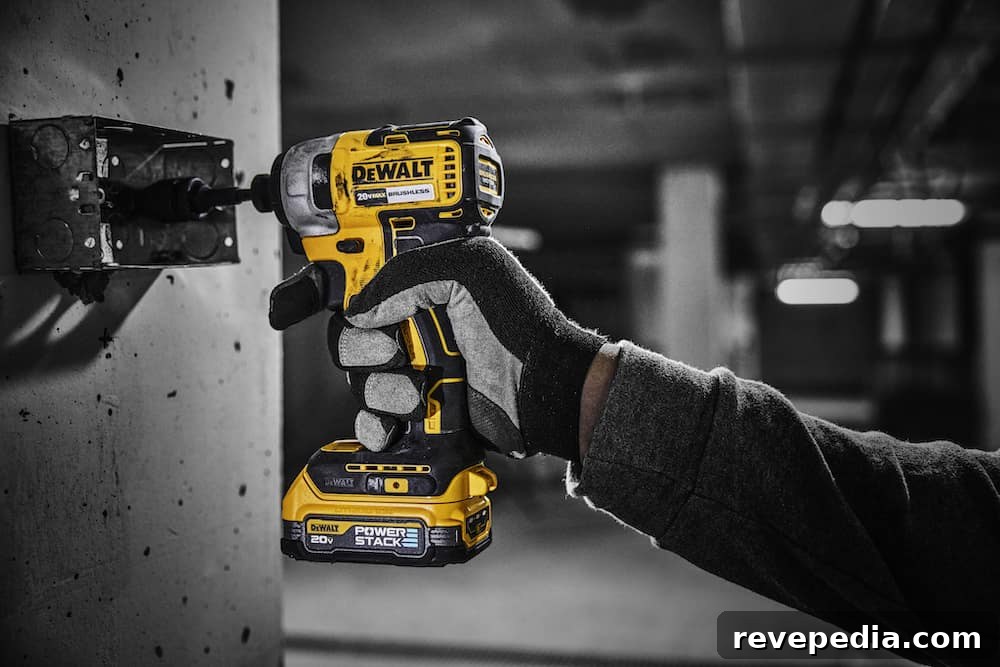
The cordless power tool market is undergoing a notable shift with the rise of stacked pouch cell batteries, a technology rapidly gaining traction among manufacturers and users alike.
Leading brands such as Milwaukee, DeWalt, and Flex are pushing this innovation forward with their own implementations of pouch cell designs. Still, a critical question remains: will stacked pouch batteries become the dominant standard for cordless tools, or will they coexist with other advancing battery formats?
Milwaukee Tool’s Forge Line and the M18 Pouch Battery
Milwaukee recently introduced the first M18 pouch battery: a 6Ah unit launched under their Forge line, signaling a major step toward broader adoption of pouch-format cells. At the same time, Milwaukee’s M18 Forge 12Ah battery uses tabless cylindrical lithium-ion cells, demonstrating that conventional cylindrical formats still offer meaningful innovation and performance improvements.
DeWalt’s PowerStack 5Ah Battery
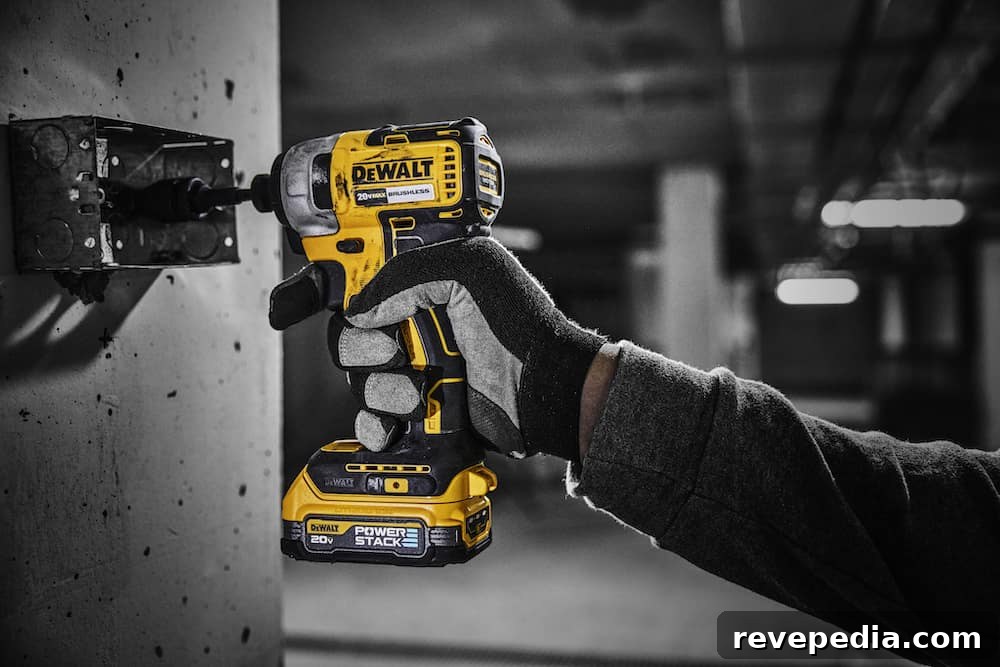
DeWalt has added pouch cell PowerStack batteries to its 20V Max range, offering both a compact 1.7Ah pack and a larger 5Ah option. This move highlights DeWalt’s commitment to pouch cell technology and to meeting a variety of power and size requirements for different applications.
Flex’s Pouch Cell Options and CAT’s Graphene 5Ah Battery
Flex has adopted pouch cell designs across its 24V Max lineup, offering 3.5Ah, 6Ah, and 10Ah batteries that showcase the format’s versatility. Meanwhile CAT, produced by Positec, has entered the market with a so-called “Graphene” 5Ah battery, adding diversity to available chemistries and marketing approaches without changing the broader competitive dynamic.
Milwaukee’s High Output M12 Batteries and Tabless Cylindrical Cells
Alongside pouch technology, Milwaukee continues to expand its High Output M12 batteries and to embrace tabless cylindrical cells for certain M18 Forge packs. Choosing tabless cylindrical cells in some cases reflects practical considerations—thermal behavior, energy density, and manufacturing constraints—that make multiple cell formats relevant depending on the intended performance profile.
Makita’s Position and Potential Shifts in Battery Technology
Makita has been more conservative regarding higher-capacity or higher-output batteries within its 18V ecosystem. That conservative stance leaves room for potential shifts: Makita could pursue pouch cell adoption or migrate to tabless cylindrical cells while keeping battery pack dimensions largely unchanged, a strategy that would preserve tool compatibility while improving performance.
The Role of Bosch, Ryobi, Metabo HPT, Metabo, Kobalt, and Festool
Other major manufacturers—Bosch, Ryobi, Metabo HPT, Metabo, Kobalt, and Festool—have been quieter about pouch cell initiatives. Their future strategies in battery architecture remain an area to watch, as each brand balances cost, performance, manufacturing partnerships, and ecosystem compatibility.
The Future Landscape: Pouch Cells, Cylindrical Cells, and Beyond
The cordless power tool sector is likely to evolve as a landscape where multiple battery formats coexist and compete. Pouch cells bring advantages such as packaging efficiency and potentially higher volumetric energy density, but cylindrical cells—especially with innovations like tabless designs—still offer strong performance, thermal management benefits, and mature manufacturing pathways.
Milwaukee’s approach—supporting standard, High Output, Forge pouch, and Forge tabless products—illustrates a broader industry trend toward offering a diverse battery ecosystem. That diversity gives end users more choices: lightweight packs for portability, high-capacity packs for extended runtime, and high-output options for demanding applications.
While pouch cell batteries are reshaping expectations for size, weight, and energy density in cordless tools, they represent only one part of an evolving toolkit. Advances in cylindrical cell design, new cell chemistries, and improvements to battery management and cooling will continue to influence product development.
In short, the future of cordless power tools is not limited to a single technological winner. Instead, it will be a multi-faceted arena where pouch cells, refined cylindrical cells, and other innovations collectively drive performance gains and broaden user choice across tool platforms.