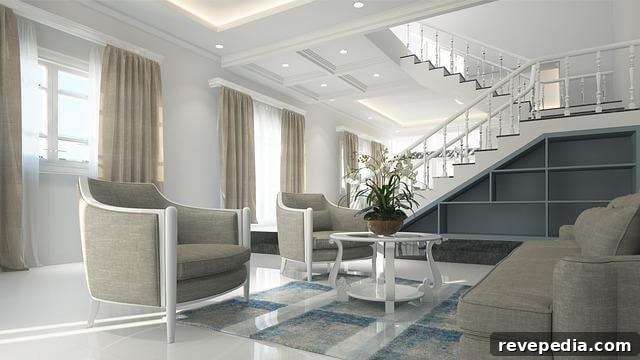
For decades, high-end homes were built to show off. If you invested in a living room, you wanted visitors to know it instantly: gleaming metallic finishes, oversized crystal chandeliers, and furniture plastered with recognizable designer logos or loud patterns. The aim was clear—make the space shout “expensive” the moment someone stepped inside.
That mood has shifted. A widespread movement toward “stealth wealth,” often called quiet luxury, now dominates interior design trends.
Quiet luxury rejects ostentation. Instead of flashy logos and attention-seeking pieces, this aesthetic prioritizes comfort, calm, and the feeling a space gives you on an ordinary weeknight. It’s less about impressing neighbors and more about how the room supports daily life. Adopting this mindset means changing how you shop: when you search for luxury modern furniture, you stop chasing items that demand attention and start seeking pieces that quietly signal quality.
Creating a quiet-luxury home doesn’t require unlimited funds, but it does demand a disciplined approach to materials, color, and the spaces between furnishings.
Rejecting the “Fast Furniture” Cycle
The first step toward quiet luxury is changing your relationship with trends and fast furniture—those inexpensive, trendy pieces that look great in photos but arrive flat-packed and fragile.
Fast furniture often lacks substance. It may resemble solid oak in photographs, but in person it can feel hollow. Drawers can wobble on thin metal tracks. Quiet luxury, by contrast, is rooted in the tangible reality of an object: weight, joinery, materials, and finish. Quality can’t be faked when you handle an item.
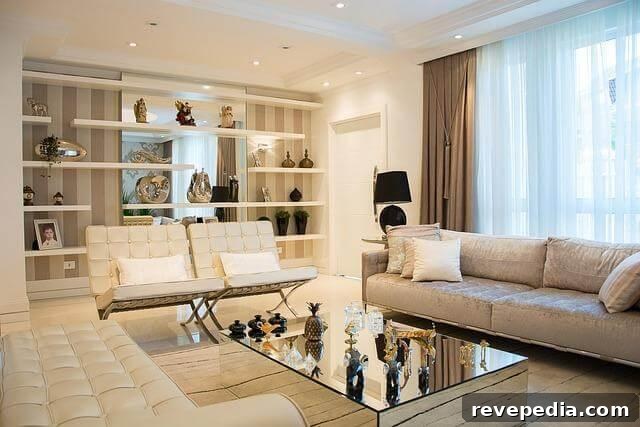
Rather than replacing a cheap coffee table every few years when veneer peels, the quiet-luxury approach encourages saving for a single, well-made piece that lasts decades. Look for furniture built with integrity: solid wood with a tactile grain, durable joinery instead of basic screws, and authentic metals that age gracefully. The aim is to own pieces that look better after five years of use than they did the day you bought them.
The Power of a Warm, Disciplined Palette
Quiet luxury is not synonymous with an all-white, boring interior. Instead, it relies on a deliberate, grounded color palette.
Bright, saturated hues—neon pinks or electric blues—demand attention and dominate a room. Quiet luxury favors colors found in nature because they calm the eye: deep olive greens, terracotta tones, warm taupes, oatmeal, and mushroom shades.
When you remove loud colors and busy geometric prints, texture becomes the star. Muted colors let tactile surfaces provide depth, so mixing textures is essential to prevent a room from feeling flat.
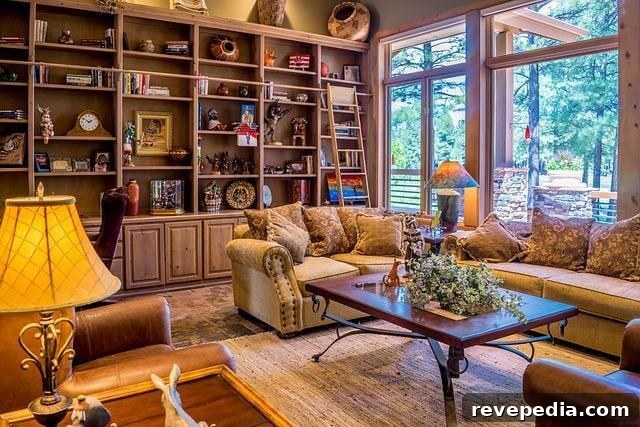
You can craft a refined, layered space using creams and browns if you combine textures thoughtfully:
- Soft against hard: Drape a chunky knit wool blanket over a sleek leather armchair to balance warmth and structure.
- Matte against shine: Place an unglazed ceramic vase atop a polished marble side table to create contrast without color.
- Woven against smooth: Pair rough linen curtains with a plush velvet sofa for tactile richness.
These contrasts add visual complexity while maintaining a calm, understated aesthetic.
Strategic Spending: The Anchor Pieces
You don’t need to replace every item to achieve a luxurious feel. Smart design mixes high-end investments with budget-friendly basics. The trick is to spend on the “anchor pieces”—the items you interact with most.
Main seating: Your sofa is the principal anchor. Don’t skimp. A low-quality sofa will sag and age poorly, making the entire room look tired. Invest in a sofa with a kiln-dried hardwood frame and high-resilience cushions that keep their shape. Choose a durable, pleasant fabric that feels good against the skin.
Dining table: The dining table anchors family life. A flimsy, wobbly table undermines the experience of shared meals. Prioritize a table with real weight—whether a solid walnut slab or a heavy sintered-stone top—to ground the space and elevate everyday moments.
Lighting fixtures: Lighting acts as the jewelry of a room. A well-crafted pendant or lamp can lift a space, even if other pieces are modest. Avoid cheap plastic fixtures; opt for fixtures made of brass, blown glass, or hand-fired ceramic to enhance presence and warmth.
Elevating the Hidden Details
Luxury isn’t only about what guests see; it’s about how you experience the home day to day. The small, often unnoticed details create a better daily life.
Consider tactile upgrades. Replacing hollow, builder-grade doorknobs with solid metal hardware is an affordable change that alters how the home feels with every touch. Soft-close hinges on cabinets eliminate jarring slams. Replacing mismatched plastic hangers with heavy wooden ones makes the ritual of dressing calmer and more organized. These touches don’t shout, but they quietly improve everyday life.
The Art of Breathing Room
Quiet luxury requires restraint. Even the most beautiful furniture will feel cluttered if you cram too much into a single room.
Resist the urge to fill every corner with decor or to cover every wall. Negative space—the empty areas around furniture—matters as much as the furniture itself. A bare wooden console with a single well-crafted ceramic bowl demonstrates design confidence and lets craftsmanship be appreciated. Leaving a wall intentionally blank expands a room’s sense of volume.
Quiet luxury is about editing your home down to what truly matters. Choose a few exceptional items over a house full of mediocre clutter. Focus on material integrity, layered textures, and generous negative space, and you’ll create a personal sanctuary that doesn’t need to shout to prove its value—just feels exceptional to live in.