DIY Dust Is Everywhere!
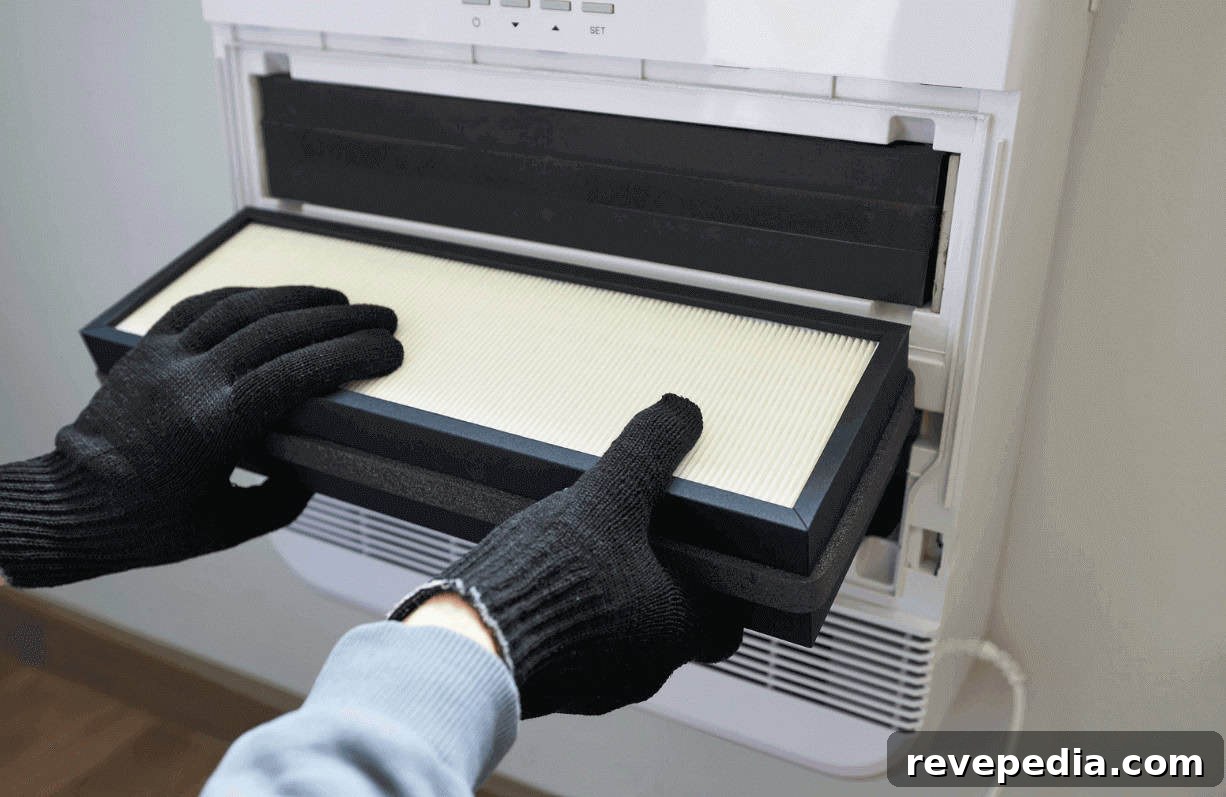
I enjoy weekend projects in my shop, but they always bring sawdust into the house. Add pollen, off-roading gear, and everyday household dust, and a lot of particles end up at your HVAC intake vents. It’s easy to ignore the heating and cooling system, but maintaining a proper air filter is one of the simplest, most cost-effective ways to protect the equipment and save on utility bills.
According to Department of Energy data, replacing a dirty filter with a clean one can improve HVAC energy efficiency by 5% to 15%. More importantly, I’ve seen systems suffer avoidable damage when filters aren’t changed or sealed properly. When a filter becomes overloaded or doesn’t fit, dust bypasses it and accumulates on components like the blower motor. That buildup forces the system to work harder and accelerates wear.
That’s why I follow a schedule, perform visual inspections, and use the practical approach below. It keeps the system healthy without putting unnecessary stress on it.
The Simple Baseline Rule (and How to Adjust It)
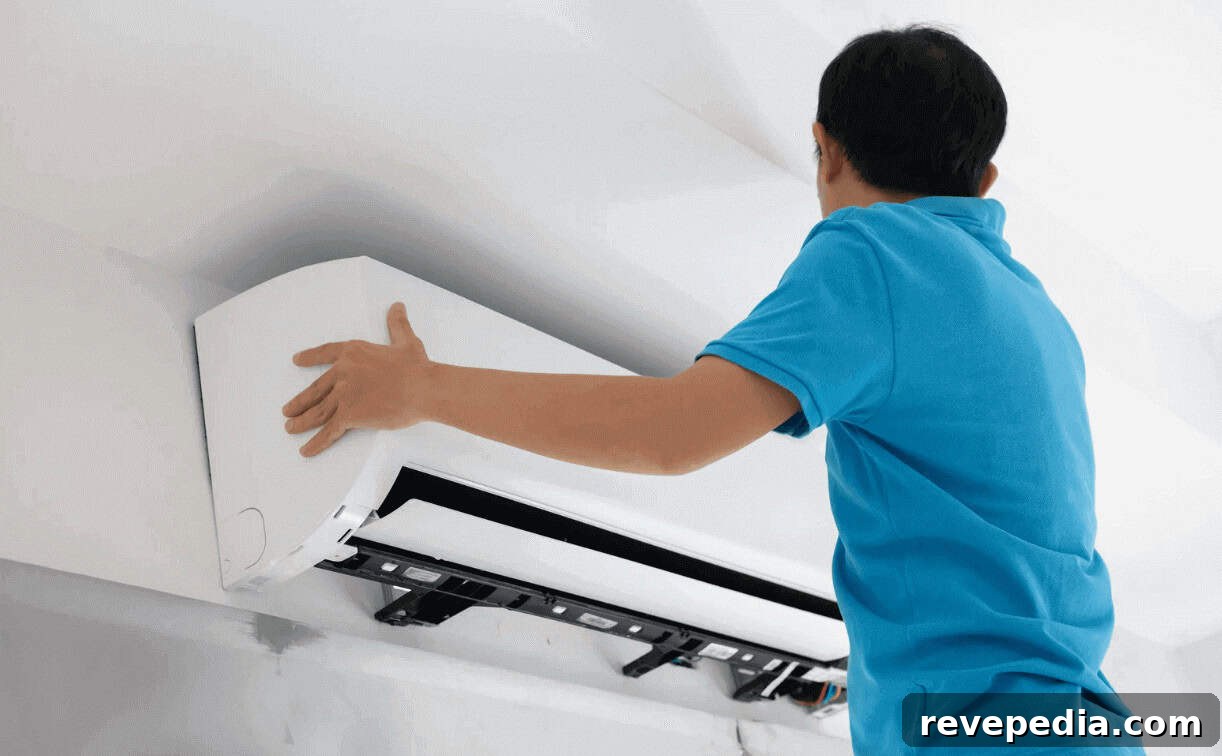
The core rule: schedule filter changes based on the filter’s surface area, not calendar days alone. Many people say “every few months,” but filter type and surface area are the key factors.
For example:
- 1-inch fiberglass filters: These have limited surface area and often need replacement every 30 days because they load up quickly and significantly reduce airflow.
- Pleated filters: Pleated filters provide more surface area and typically last longer—often around 90 days—before airflow is noticeably reduced.
The 90-day guideline is a starting point, but you’ll adjust it for home-specific factors like pets, remodeling, seasonal pollen, or heavy system use. These conditions can shorten or extend your swap schedule depending on how they affect dust and particle loads.
Pick Your Lane: Real-World Schedules
There’s no single strict schedule—choose a “lane” that fits your environmental conditions and stick to periodic checks. Typical lanes are Heavy Load, Moderate, and Light Load.
The Heavy Load Lane (Check every 20–45 days)
Use a tighter schedule if your home has high particulate loads or people with sensitive respiratory needs. Consider swapping every 20–45 days in these situations.
Heavy load factors include:
- Allergies or asthma: Tight monitoring reduces airborne irritants for vulnerable occupants.
- Pets and indoor smoking: Both increase hair, dander, and particulates.
- High occupancy and system usage: Frequent fan use and many occupants increase air recirculation and particle capture.
- Wood burning: Fireplace and wood stove smoke can load filters quickly.
The Moderate Lane (Check about every 60 days)
This is the common lane for many active households: perhaps a pet or two, normal occupancy, and no severe allergy concerns. About 60 days is a reasonable inspection interval for this environment.
The Light Load Lane (Check about every 90 days)
If you have no pets, smaller household size, and average HVAC usage, the 90-day interval is often suitable. Smaller homes and lighter occupancy produce fewer particles overall.
Note: during construction, wildfire smoke, heavy pollen, or other dust events, check and replace filters more frequently regardless of your chosen lane.
Five Immediate Signs It’s Time to Replace the Filter
Don’t wait for a calendar reminder if the system or environment tells you otherwise. Visual checks and simple tests are highly reliable. Replace the filter immediately if you notice any of the following:
- The light test: Hold the filter up to a light source. If light barely passes through or the filter looks gray and matted instead of off-white, replace it. Poor light transmission means restricted airflow.
- Visible debris and reduced airflow: Excess dust around the house or noticeably weaker airflow at vents indicates the filter may be clogged.
- Persistent odors: Musty or smoky smells at startup or after smoke events often mean the filter is retaining odor-causing particles.
- Uneven temperatures: New hot or cold zones in the house can indicate the blower can’t distribute air effectively due to a restriction.
- Longer HVAC cycles: If the system runs longer than normal to reach setpoints, restricted airflow from a clogged filter could be the cause.
1-inch Filters vs. 4–5-inch Whole-House Media Filters
If you prefer less frequent maintenance, consider upgrading to thicker 4–5-inch media filters designed for whole-house filter cabinets—if your system supports them. Thicker media provide much more surface area, allowing filters to capture more dust over longer periods without restricting airflow. While a 1-inch filter might last 30–60 days in practice, a properly installed 4–5-inch media filter can often last 6–12 months.
Important: these deeper filters require a compatible media cabinet built into the HVAC system. Installing an oversized filter in a housing it wasn’t designed for leads to poor sealing and air bypass, which defeats the filter’s purpose and can allow dust into internal components. Measure the filter housing, order the correct size, and ensure a tight fit. Use approved foam weatherstripping or HVAC foil tape around the frame if needed, but never block the filter face.
My Five-Minute DIY Filter Change Routine
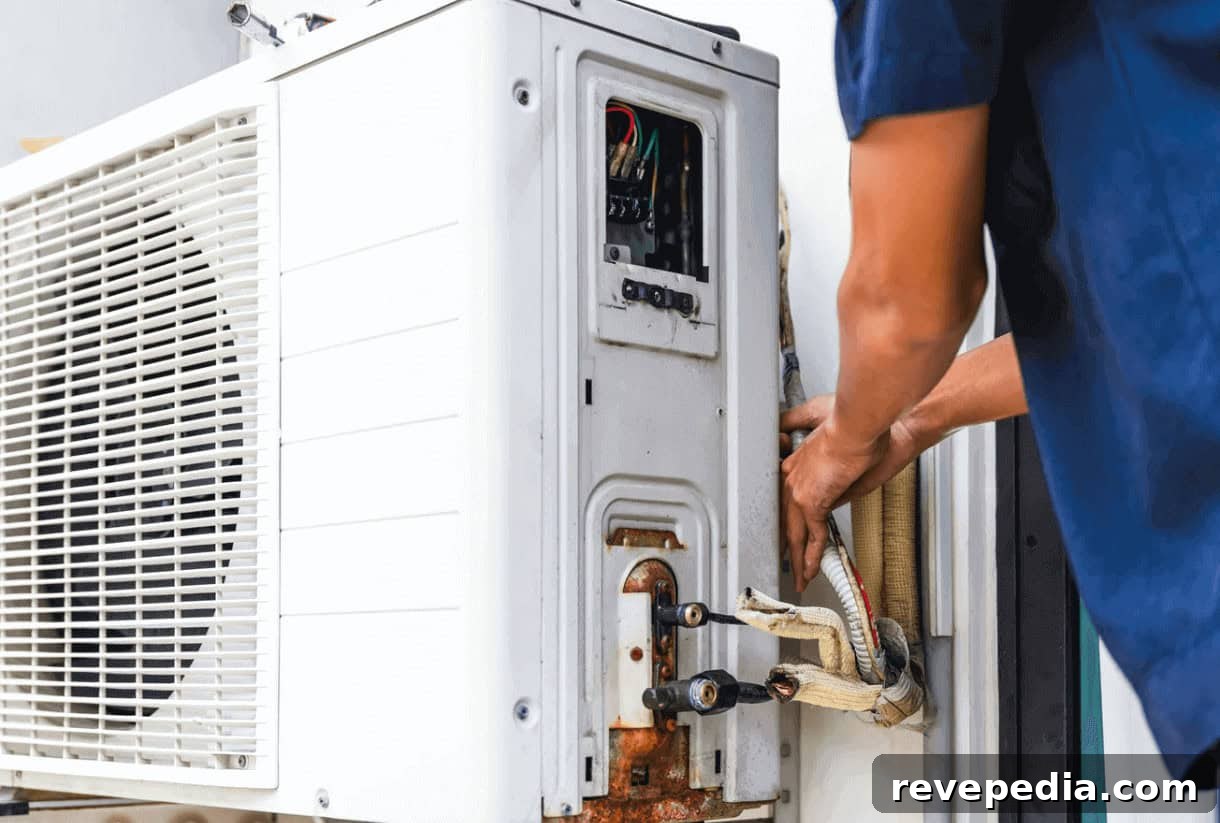
Here’s a quick, reliable routine I use to change home air filters without causing dust issues or leaving gaps:
- Power down: Turn the HVAC system off so the blower won’t pull dust into the ductwork during the swap.
- Locate: Find the filter rack on the return side of the system, upstream of the blower motor.
- Check airflow direction: Ensure the arrow on both the old and new filters points toward the furnace or blower.
- Clean the slot: Slide the old filter out and vacuum the slot and surrounding area to remove loose debris. For fine dust from sanding or ash, use a vacuum with HEPA-level filtration if available.
- Seal properly: Install the new filter so it seats tightly. Even small gaps let air bypass. Add foam weatherstripping or approved foil tape around the frame or filter door if necessary—avoid taping across the filter media itself.
- Log the date: Write the installation date on the filter frame with a permanent marker so you know when to check next.
Extra Tips From a Dusty Workshop House
- Construction and sanding: Home remodeling and drywall sanding load filters extremely fast. Plan immediate replacements during and after such projects.
- Cleaning returns: When cleaning near return grilles, use a vacuum with good filtration to avoid pushing dust into the system.
- Prioritize surface area: Pleat count and media depth matter more than arbitrary calendar rules. If pleats look packed and gray, change the filter—even if it hasn’t been two months.
- Avoid excessive restriction: Very high-MERV filters can over-restrict airflow in some systems and reduce performance. If you need higher filtration, balance MERV rating with system capability and increase replacement frequency if necessary.
Final Recommendations
- Pick your lane: Heavy/allergy: check every ~30 days; most pet owners: ~60 days; light use/no pets: ~90 days—adjust based on observation.
- Trust the tests: Use the light test and visual inspection of pleats; replace filters that look gray and packed.
- Don’t over-restrict: High-MERV upgrades can be harmful if the system can’t handle the added resistance. Choose appropriate filtration and a realistic replacement cadence.
- Seal the filter cabinet: Make sure media cabinets and filter frames are sealed to prevent bypass and protect internal components.
- Take action now: Check your filter today—if it’s gray, fuzzy, or packed, replace it to protect your HVAC system.