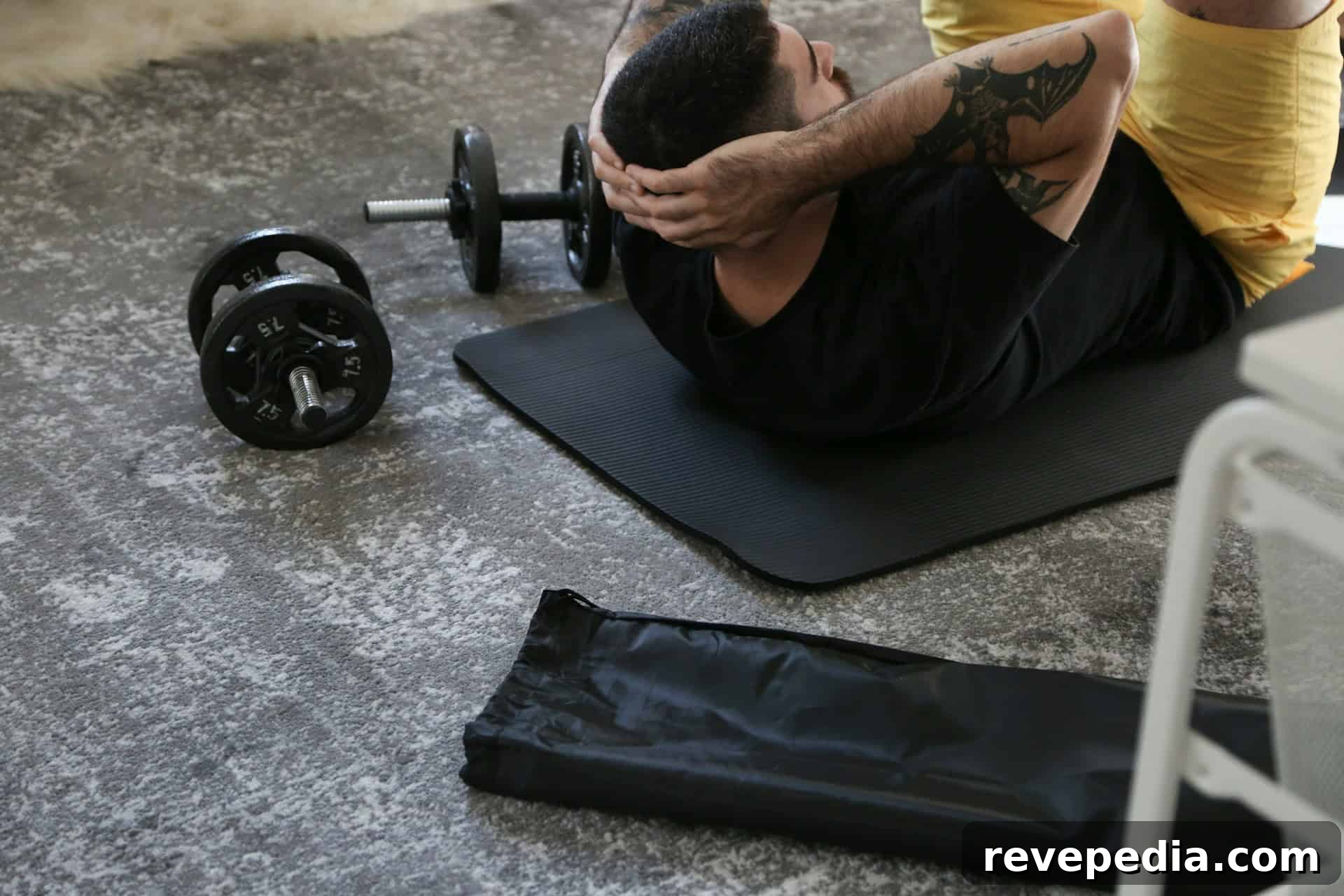
Creating a home gym is a smart investment in your health and well-being, but the cost of gear and a dedicated workout area can be intimidating. The good news is you can build an effective, budget-friendly DIY home gym with thoughtful planning and a few strategic purchases. This guide walks you through the process so you can set up a functional home workout space without overspending.
Start by clarifying your fitness goals so you know what to prioritize. Whether your aim is to build muscle, lose weight, improve cardio fitness, or combine several objectives, those goals will guide the equipment and layout decisions for your gym. Establish both short-term and long-term targets: short-term milestones keep you motivated day to day, while long-term goals help maintain focus and measure progress over months.
Understanding Your Fitness Goals
Define what you want to achieve and the timeline you expect. Are you training for strength, endurance, fat loss, flexibility, or skill-based sports like jiu-jitsu? Clear goals will help you select the right tools and plan workouts that actually move you toward them. Keep expectations realistic—fitness is a gradual process—and celebrate incremental improvements.
Identifying Your Workout Preferences
Think about the types of workouts you enjoy. Do you prefer weightlifting, cardio, high-intensity interval training, or mobility and skill work? If you like lifting, prioritize a bench, adjustable dumbbells, or a barbell setup. If cardio is your main focus, consider a compact bike, rowing machine, or jump rope. Practices like CrossFit need more free weights and Olympic plates, while martial arts require clear mat space. Choosing equipment that matches your preferences increases the chances you’ll stick with your routine.
Setting Realistic Fitness Targets
Set measurable, attainable targets—such as lifting a certain weight, running a timed distance, or losing a set percentage of body fat. Break big goals into smaller milestones to track progress and keep motivation high. Regularly review and adjust your targets based on results and changing priorities.
Planning Your Budget
Once goals are clear, create a budget. Decide how much you’ll spend on equipment, flooring, storage, and any small renovations. A written budget prevents impulse buys and helps you allocate funds strategically: invest more in durable, versatile items and save on accessories you can add later.
Allocating Funds for Equipment
Divide your budget into categories: core equipment, accessories, flooring, and maintenance. Prioritize multi-purpose items—adjustable dumbbells, resistance bands, a quality mat, and a compact cardio option deliver the most value. Shop smart: check second-hand marketplaces, local classifieds, and seasonal sales for bargains on reliable equipment.
Considering Maintenance Costs
Account for ongoing costs like cleaning supplies, lubricants for machines, and occasional repairs. Regular upkeep extends equipment life and keeps workouts safe. Simple routines—wiping down gear after use, tightening bolts, and storing items properly—can prevent costly replacements down the line.
Choosing the Right Space
Evaluate areas in your home that can be repurposed: a spare bedroom, garage corner, basement alcove, or even a living-room section. Choose a spot with enough room for your planned movements and good ventilation. Natural light is a plus—it improves mood and energy during workouts.
Evaluating Potential Spaces in Your Home
Measure the space to ensure it fits equipment and provides clearance for safe movement. Consider ceiling height for overhead lifts and check for nearby electrical outlets if you’ll use powered machines. Decluttering and rearranging furniture often frees up usable floor area without renovation.
Maximizing Space Efficiency
Optimize small spaces with wall-mounted storage, vertical racks, and foldable or compact equipment. Resistance bands, adjustable dumbbells, kettlebells, and a foldable bench are high-value, low-footprint choices. Use multi-functional pieces and clever storage to keep the area tidy and ready for workouts.
Selecting Essential Equipment
Focus on essentials that cover major movement patterns—push, pull, hinge, squat, and core. You don’t need every gadget; choose a handful of versatile items that suit your goals and budget. Quality matters: well-made equipment is safer and lasts longer.
Prioritizing Equipment Based on Your Goals
Strength goals benefit from adjustable dumbbells, a barbell set, and a sturdy bench or squat stand. For cardio and conditioning, consider a jump rope, stationary bike, or rower depending on space and budget. Resistance bands are inexpensive, portable, and great for mobility and strength. Match purchases to the workouts you’ll actually do.
Finding Affordable Fitness Equipment
Search local marketplaces, thrift shops, and gym liquidation sales for used, well-maintained gear. Keep an eye on clearance sales at fitness retailers and community groups where people sell lightly used items. When buying used, inspect for wear, rust, and mechanical issues to ensure safety.
Creating a Workout-Friendly Atmosphere
A pleasant atmosphere boosts motivation and consistency. Small touches can make workouts more enjoyable and sustainable.
Importance of Lighting and Ventilation
Good lighting—ideally natural—creates energy and reduces eye strain. Proper ventilation and air circulation keep the space comfortable during intense sessions. If natural airflow is limited, add a fan or portable air purifier to maintain fresh air.
Adding Motivational Elements
Personalize the space with motivational elements: a whiteboard or poster for goals, a curated playlist, or an organized shelf for progress-tracking items. Clean, clutter-free surroundings and small aesthetic choices make the gym feel inviting and help you keep showing up.
Building a DIY home gym on a budget is practical and rewarding. By defining your goals, setting a realistic budget, choosing an appropriate space, prioritizing versatile equipment, and shaping an inspiring environment, you can create a functional, long-lasting workout area that fits both your needs and your wallet. Start small, focus on consistency, and grow your setup over time as your workouts evolve.