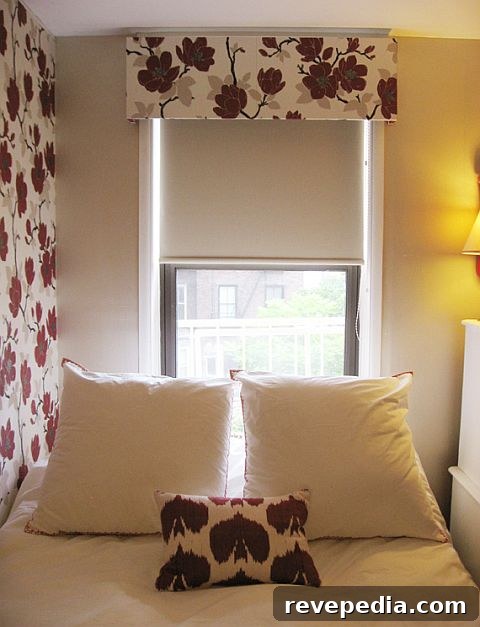
Thoughtful window treatments are a simple and effective way to bring style and polish to any room. A valance placed at the top of the window can coordinate with existing fabrics and the room’s color palette, giving a finished look—especially when the underlying treatment is a plain element like shades or blinds. A well-designed valance adds visual interest, conceals hardware, and can help make a window feel larger and more intentional.
Before starting, measure the window carefully. The DIY project shared by Anne and Mike of Seeing Design used a valance that extended three inches beyond the window frame on each side to create the illusion of a wider window. Extending the valance a few inches past the trim is a common design trick that improves proportion and makes the window feel more substantial in the room.
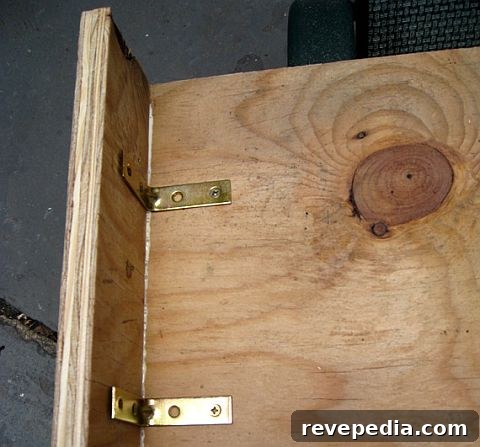
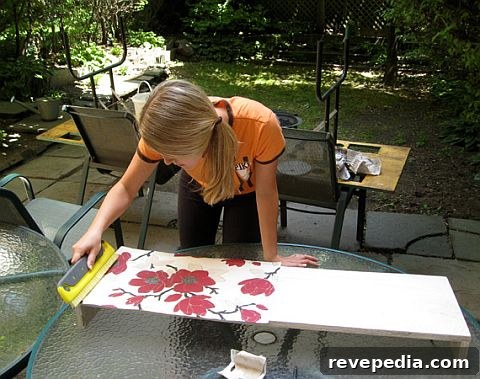
To attach a valance securely, build a simple box-like or “table” structure that sits over the top of the window frame and fastens to the surrounding wall. The basic components are a front panel and two side pieces. You can cut the wood yourself with a circular saw or have the pieces pre-cut at a hardware store. After cutting, sand all edges and surfaces until smooth for a clean, professional finish.
For decoration, there are several attractive options. Anne and Mike chose wallpaper that matched an accent wall in the room, creating a coordinated, cohesive look. Alternatively, you can upholster the valance like a headboard or chair—apply a thin foam pad to the front surface, then cover it with a patterned or textured fabric for added depth and softness. If you opt for wallpaper, apply a quality wallpaper primer to the wood first; the primer improves adhesion and prevents the paper from peeling or wrinkling over time.
Once the finish is dry and any trim details are added, mount the valance to the wall using L-brackets or other sturdy hardware rated for the weight of the piece. Make sure the brackets are securely anchored into studs or use appropriate wall anchors for a solid installation. After installation, step back and admire the finished valance—this small addition can transform a basic window treatment into a intentional design element.
Tips for a successful DIY valance:
– Measure twice, cut once: Confirm window dimensions and desired overhang before cutting materials.
– Choose finishing materials that coordinate with the room: wallpaper, fabric, or paint can tie the valance to other elements like a feature wall or textiles.
– Use primer with wallpaper: Priming ensures long-lasting adhesion to wood.
– Sand and finish edges: Smooth edges and consistent paint or fabric application give a professional result.
– Secure mounting: Fasten with L-brackets into studs or reliable anchors to prevent sagging.
A valance is a versatile addition that can be tailored to your home’s style, from crisp and modern to soft and traditional. Whether you prefer a simple wooden box, a wallpaper-covered valance that matches an accent wall, or an upholstered version with foam and fabric, this straightforward project can add a custom look without a major renovation. Are you more drawn to a valance, or do you prefer other window treatments like drapes or shades? Consider the room’s scale, light needs, and decorative goals when deciding.
Photos courtesy of Seeing Design