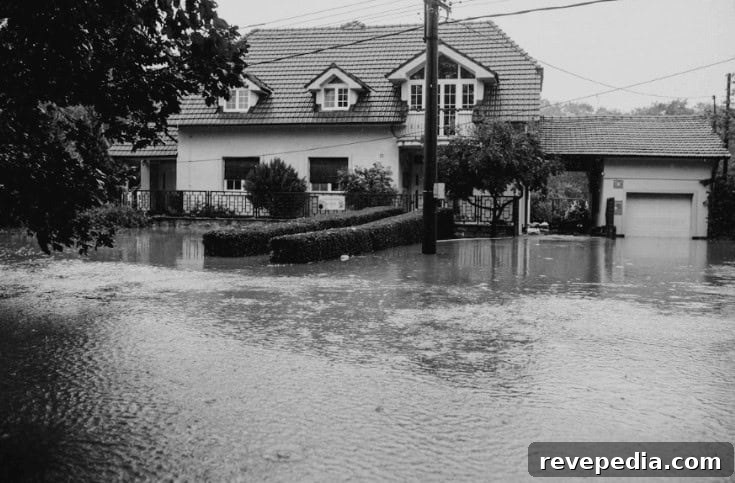
A prompt response after a flood is critical. Initial storm damage can escalate rapidly without an effective water damage restoration plan, and homeowners who understand what to do after a flood can prevent long-term problems that are more difficult and costly to fix.
How Floods Can Affect Your Property
Water entering your home—whether from a burst pipe, heavy rainfall, or river overflow—can cause extensive, often hidden damage. Unlike a fire, which usually inflicts immediate and visible harm, flooding frequently creates gradual structural problems and concealed issues that emerge over time.
Floodwater soaks into floorboards and subfloors, causing wood to swell and warp. As boards expand, they may lift or separate, creating uneven and unsafe flooring. If moisture remains trapped, wood decay and rot can set in, weakening boards so they can no longer safely support weight.
Walls and insulation absorb moisture as well. Damp walls encourage mold growth, which not only disfigures surfaces but also poses serious health risks. Mold exposure can aggravate asthma and allergies and, in some cases, lead to severe infections such as aspergillosis. Prompt drying and remediation are essential to prevent these outcomes.
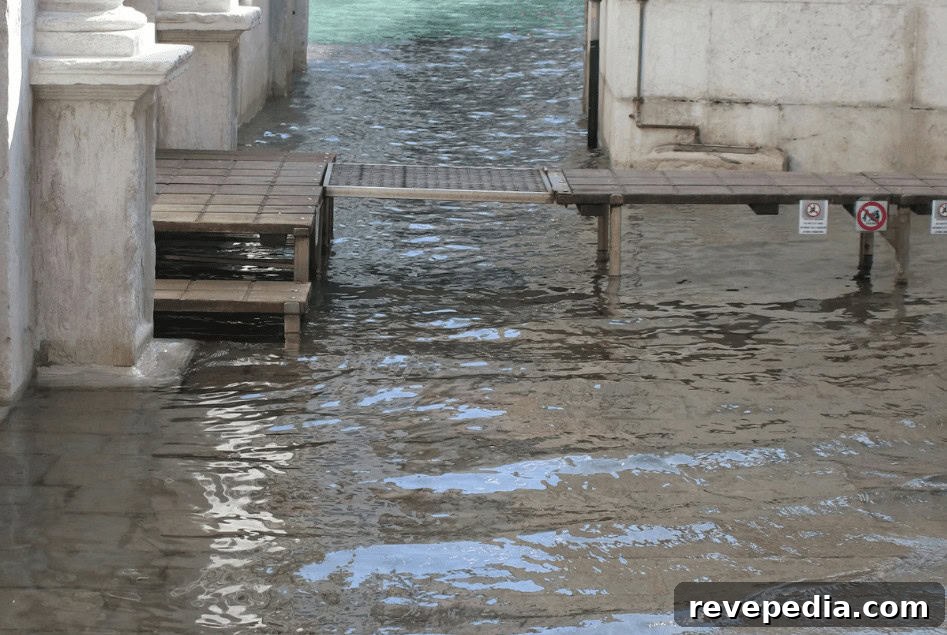
First Steps to Take for Fast Recovery After a Flood
Acting quickly after a flood can greatly shorten the recovery process and limit long-term damage. The following step-by-step guide outlines practical actions to protect your health and property and to support a smooth insurance claim.
Safety first
Before re-entering your property, confirm it is safe. Flooding can cause structural damage that may not be immediately visible. Wait for clearance from qualified professionals—such as emergency responders—before turning electricity or gas back on. This reduces the risk of electrocution, gas leaks, or collapse while you begin cleanup.
Document the damage
Document all damage thoroughly for insurance purposes. Take clear photos and video of affected rooms, personal belongings, structural issues, and the water line. Create a detailed inventory of damaged or destroyed items with estimated values and, when possible, keep receipts or proof of purchase to support your claim.
Remove standing water
Standing water should be removed as soon as it is safe to do so. Small amounts can be cleared with buckets, mops, and wet/dry vacuums, followed by drying with towels and absorbent materials. However, significant flooding requires professional water extraction equipment to remove water quickly and prevent further damage and contamination.
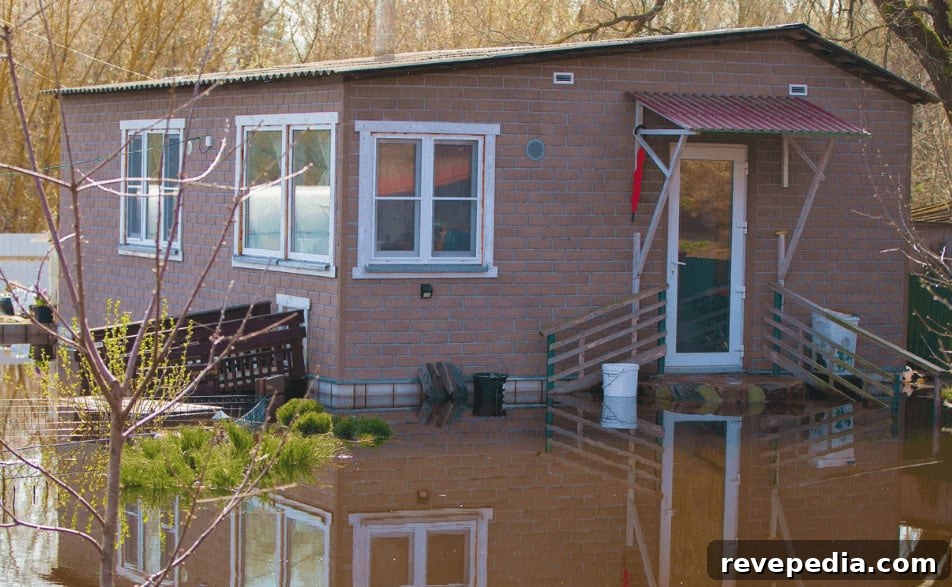
Drying and dehumidifying
After water extraction, thorough drying is essential. Open windows and doors when weather permits to increase ventilation. Use fans and dehumidifiers to reduce moisture levels in walls, floors, and furnishings. Porous materials like drywall and insulation may retain water and require professional assessment and targeted drying techniques to avoid lingering moisture and mold.
Cleaning and sanitizing
Once the space is dry, clean and disinfect surfaces to remove contaminants carried by floodwater. Floodwater can contain bacteria, chemicals, and sewage, so proper sanitation reduces health risks. Have carpets, rugs, and upholstered items professionally cleaned or, if heavily contaminated, replaced. Pay particular attention to kitchens, bathrooms, and areas where children or pets spend time.
Replace, repair, and restore
Decide which items can be repaired and which should be replaced. Furniture and porous materials that have been heavily soaked or contaminated are often unsafe to keep. Replace damaged flooring, kitchen units, and cabinetry when necessary. Dried walls can be repainted and treated with mold-resistant products, but structural repairs to foundations, framing, or insulation should be handled by qualified contractors to ensure long-term stability.
Minor cosmetic fixes are suitable for DIY in some cases, but major structural renovations require professionals. Undetected moisture in foundations, walls, or insulation can cause recurring problems if not properly addressed.
Knowing When to Call the Experts
Small leaks and shallow flooding may be manageable by homeowners, but call professionals if you face large volumes of water, possible sewage contamination, electrical hazards, or structural concerns. Restoration specialists have industrial-scale extraction and drying equipment and established protocols for contaminated water removal and mold remediation.
Attempting extensive cleanup without the right tools or expertise can lead to incomplete drying, persistent odors, and mold growth—ultimately costing more to fix later. Professional teams can extract water, thoroughly dry the building envelope, remediate contamination, and repair or restore damaged elements to reduce long-term risk and restore your home safely.