Warmer temperatures mean more activity from animals both inside and outside your home. Recently a Facebook friend asked for mole removal advice, so after researching, here are practical, humane, and effective options to consider.
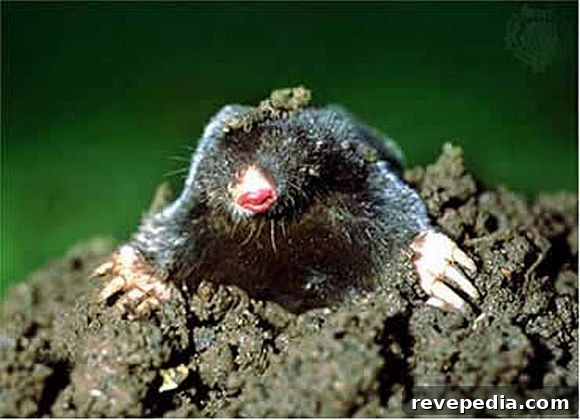
Before choosing a method, identify how widespread the mole activity is and which tunnels are actively used. A simple test will show you which runs are current: find a raised tunnel and press down on it so it partially collapses. If it’s active, the mole typically repairs the tunnel within a day or two.
Once you know where the moles are working, decide how you want to address them. The approach you select depends on whether you prefer nonlethal options, deterrents, or permanent removal.
Mole Removal Techniques:
Flooding. Flooding a tunnel with water is sometimes used as a humane way to encourage a mole to surface. Locate an active tunnel, place a garden hose into the opening, and run water down the passage. If a mole is present, it often exits the tunnel to escape the water. From that point you can choose to capture and relocate it, or simply allow it to leave the area. Effectiveness varies, and excessive water can damage lawns or soil structure, so use this method with care.
Mole repellents. Several natural repellents are commonly recommended. Human hair, placed in tunnels, can create an unfamiliar scent that may encourage moles to move on. Fox urine and other predator scents are also marketed as mole deterrents and can be placed near active runs. Repellents may work best as part of an integrated approach—combined with habitat modification—rather than as a sole solution.
Traps. Trapping is a direct method and comes in two main types: live-capture traps and lethal traps. Live traps allow you to relocate the animal, but for success you’ll need to release it far from your property to reduce the chance it returns. Lethal traps provide a definitive outcome but require careful placement and handling for safety. When using traps, follow local regulations and humane practices.
If you prefer to avoid interfering, you can also wait them out. Moles tend to move through areas over time; while their tunnels may be unsightly, their burrowing helps aerate soil and they feed on grubs and insects that damage roots. If the cosmetic damage is tolerable and soil health or pest control is a priority, leaving moles alone is a valid option.
Practical tips to improve success regardless of method:
– Confirm which tunnels are active before taking action.
– Reduce mole-friendly conditions by removing lawn grubs and excess thatch—this makes the area less attractive for feeding.
– Avoid using chemicals or methods that could harm pets, children, or non-target wildlife.
– If relocating, transport the mole well away from your property and release it into suitable habitat.
– Consider consulting a licensed wildlife specialist if the infestation is severe or if you’re unsure about legal or humane handling.
Have you dealt with moles on your property? Share what worked for you and any additional tips or warnings. Photo courtesy of www.gopherandmolecontrol.com