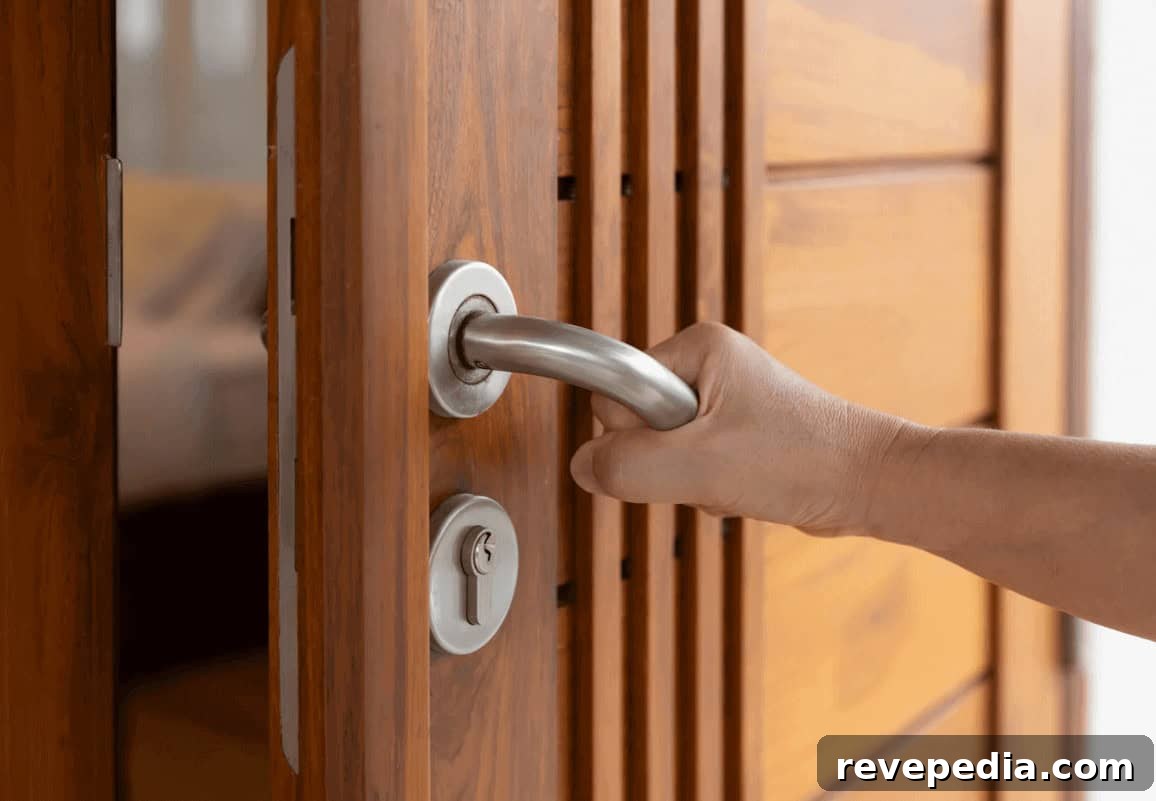
Replacing a door is more than a cosmetic upgrade — it’s an investment in your home’s security, insulation, and longevity. Many homeowners choose doors mainly for looks or price, but the features you select determine long-term performance, safety, and energy efficiency.
A poorly specified replacement can result in a door that looks right but provides weak security, poor insulation, and a shortened lifespan. By understanding which features truly matter, you can avoid costly mistakes and ensure your new door delivers lasting value.
This guide explains the key factors to evaluate: structural strength, security hardware, thermal performance, material choices, and installation quality. After reading, you’ll know which questions to ask and which features are essential rather than merely decorative.
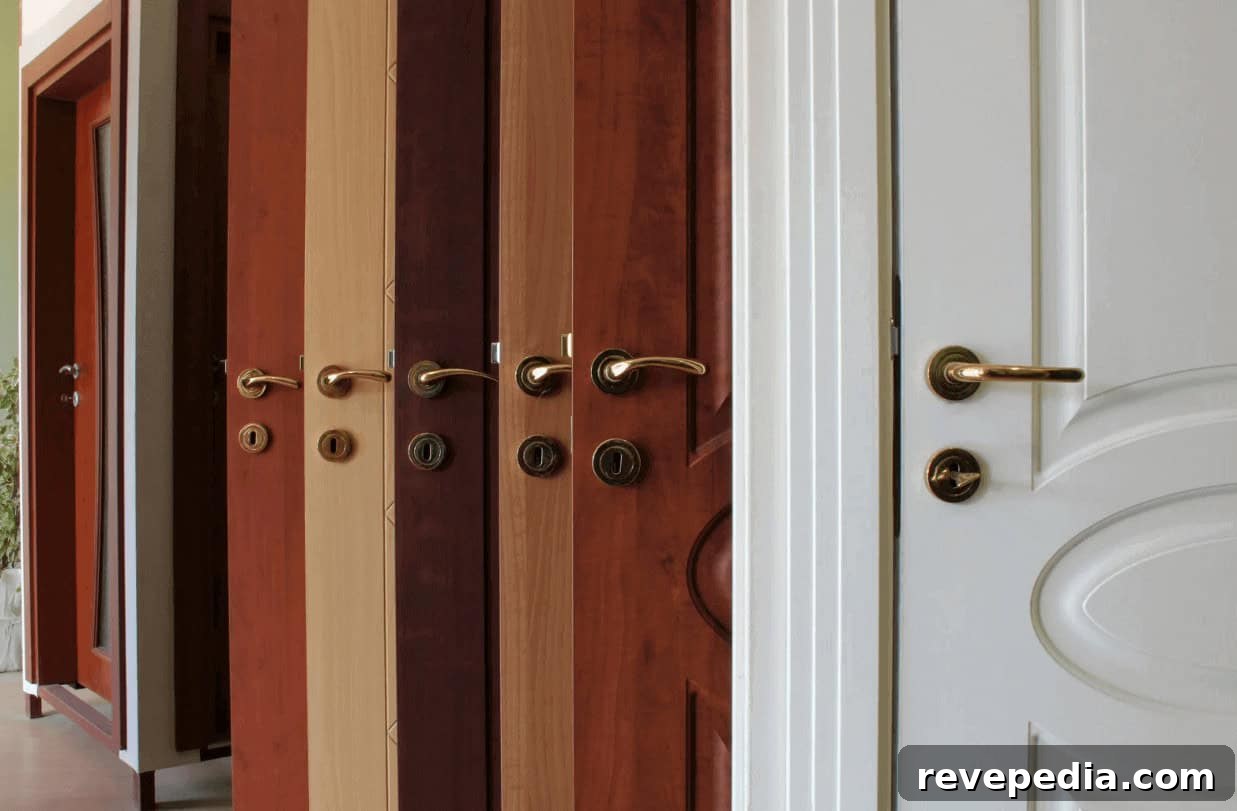
Structural Strength Comes First
Security and durability start with the door’s internal construction. Too often, homeowners judge doors by their surface finish without considering what’s inside.
Solid Core vs Hollow Core
Hollow-core doors are light and inexpensive, suitable for low-traffic interior rooms. They offer minimal security, poor sound insulation, and low impact resistance, and they are not appropriate for external or security-sensitive locations.
Solid timber cores provide strong structure and an attractive finish, but they require regular maintenance such as painting or sealing and can warp if subjected to fluctuating moisture and temperature. They’re durable if you’re willing to care for them.
Insulated composite cores combine rigid foams (polyurethane or polystyrene) with timber or engineered frames. This construction provides:
- High thermal performance for energy efficiency
- Structural strength with reduced warping risk
- Lighter weight than solid timber
- Low maintenance requirements
Steel-reinforced cores are used in high-security doors. Steel plates or mesh integrated into the core greatly increase impact resistance and resistance to forced entry. These doors are heavier but offer exceptional structural integrity.
For external doors or any security-critical application, aim for a solid core or steel-reinforced construction. The internal build determines whether a door genuinely protects your home or only appears to.
Door Thickness
Typical internal doors are around 35mm thick, while external doors usually start at 44mm. Security-focused doors commonly range from 45mm to 70mm.
Thickness matters because thicker doors are more rigid, resist bending and deflection under impact, and can accept heavier locks and hinges without compromising structure. Increased thickness also improves insulation — more material means better thermal resistance. A 44mm insulated door will outperform a 35mm door in both security and energy efficiency.
For external doors, use 44mm as a minimum. If security is a priority, consider doors 50mm and thicker for noticeably better resistance to forced entry.
Understanding Key Door Components
When replacing a door you’ll encounter terms such as stiles, rails, and thresholds. Knowing these parts helps you make informed decisions and spot installation issues.
- Stiles: Vertical members at each side of the door leaf that carry weight and support the hinges.
- Rails: Horizontal members across the top and bottom of the door leaf that provide lateral strength and resist twisting.
- Door leaf: The main panel that swings open and closed.
- Threshold: The horizontal element at the bottom of the opening that bridges internal and external floor levels and helps seal against weather.
- Frame: The fixed structure around the opening. Frame strength is crucial — a weak frame negates a strong door. Frame material (solid timber, steel, composite) and reinforcement significantly affect overall security.
- Architrave: Decorative trim around the frame that conceals gaps between the frame and the wall.
- Hinges: Support the door and allow rotation. Security hinges incorporate anti-lift bolts to prevent removal if the hinge pins are attacked.
- Lock cylinder: The rotating component that operates the locking mechanism. Anti-snap cylinders are designed to resist forceful extraction.
Security Features You Shouldn’t Overlook
Effective external door security relies on multiple integrated elements working together.
Multi-Point Locking Systems
A single central deadbolt is not enough for an external door. Multi-point locking systems (typically 3-point or 5-point) spread locking force along the door’s height — with top, central, and bottom locking points, and sometimes additional hooks. This distribution makes forced entry much harder.
Always specify anti-snap cylinders within the locking system. Standard cylinders can be snapped off with force; anti-snap designs resist such attacks by preventing extraction even when struck.
Reinforced Frames
A strong door mounted in a weak frame is ineffective. Frame reinforcement should include:
- Solid wood or composite frame construction rather than thin, hollow casings
- Steel or concrete reinforcement around lock points
- Proper anchoring into the structural opening during installation
Installing a heavy, high-security door into a lightweight frame is a frequent error: over time the frame can split, fastenings pull out, or the assembly can flex under load. A professional evaluation of the existing frame — and replacement or reinforcement if necessary — is often essential.
Hinges and Hinge Bolts
Standard hinges are vulnerable to attacks from the hinge side. Security hinges should include anti-lift bolts, concealed or protected pins, and heavy-duty construction sized for the door’s weight class. Don’t overlook hinge reinforcement; it’s a common weak point.
Energy Efficiency & Weather Protection
Door replacement is an opportunity to improve insulation and lower heating bills.
Insulated Core Materials
The core material is the primary determinant of thermal performance. Polyurethane foam cores provide high R-values, resist moisture, and retain performance for decades. Composite designs with thermal breaks in the frame reduce heat transfer through the frame itself.
Ask for the U-value to compare thermal performance — lower U-values mean better insulation. Modern insulated doors commonly achieve U-values around 0.18–0.22 W/(m²·K), significantly better than older uninsulated doors.
In colder climates or homes with high heating demands, investing in a low-U-value door will pay back through lower energy costs and greater comfort.
Weather Seals and Threshold Systems
Even a well-insulated door loses efficiency if gaps let air leak. Compression seals around the perimeter create a tight closure; choose seals that are replaceable since they wear over time. Bottom sweeps and modern threshold systems prevent leakage at the base and can meet accessibility requirements while maintaining performance.
Beware of cold bridging around frames — when the frame directly contacts external walls without thermal breaks, heat can bypass the door’s insulation. High-performance replacements include thermal break materials within the frame.
Material Matters, But Construction Matters More
Each door material has pros and cons:
- Timber: Attractive and long-lasting with proper upkeep (potentially 50+ years), but requires regular painting and sealing and can warp if neglected. Best for period properties or where authenticity is needed.
- uPVC (PVC): Cost-effective and low-maintenance; resists rot and doesn’t need painting. It can be prone to deformation under prolonged sun exposure over decades and may not match the lifespan of higher-end options.
- Composite: Engineered cores wrapped in durable veneers combine the structural benefits of timber with low-maintenance exteriors. They resist warping, typically last 20–30 years, and can replicate timber aesthetics without the upkeep.
- Steel: Extremely durable and resistant to impact, often used commercially and increasingly in secure residential applications. Steel doors can last 30+ years and offer superior forced-entry resistance but are heavier and usually require stronger supporting hardware.
Choose based on climate, maintenance willingness, and performance needs. A composite door often offers the best balance of low maintenance and performance; steel is appropriate where security is the primary concern.
Smart Compatibility & Modern Upgrades
Door replacement is a chance to integrate modern technology:
- Smart locks (keypad, fingerprint, app-controlled) for remote access and monitoring.
- Keyless entry for convenient access without mechanical keys.
- Video doorbell systems for remote visual verification of callers.
- Reinforced glazed panels (tempered or laminated glass) when a vision panel is included to maintain security.
Verify compatibility before buying: thick or heavily reinforced doors can limit smart lock options because of installation depth. Discuss integration requirements with your installer to avoid purchasing incompatible devices.
Installation Quality Is Just as Important as the Door
Even a high-quality door performs poorly if installed incorrectly. Common installation issues include:
- Misalignment — the door won’t close smoothly or lock bolts won’t engage.
- Poor frame anchoring — the frame isn’t properly secured to the structural opening, allowing flex or movement.
- Incorrect seal compression — weather seals fitted poorly reduce insulation and weather protection.
- Faulty hardware installation — locks, hinges, and closers installed with incorrect spacing or fastenings.
Poor installation can void security ratings and fire certifications. For instance, a fire-rated door fitted with gaps around the frame will lose its fire-safety performance. Use professional installers trained on the specific door system, ensure they follow manufacturer guidelines, and request a final inspection and verification that all systems function correctly.
Questions to Ask Before Replacing Your Door
Use this checklist when selecting a new door:
✓ What is the core material (solid timber, composite, steel-reinforced)?
✓ How thick is the door (44mm minimum for external doors)?
✓ Is the frame reinforced and suitable for security hardware?
✓ What locking system is included (multi-point locking? Anti-snap cylinder)?
✓ Does the door meet current security standards (PAS 24 or equivalent)?
✓ What is the thermal performance (U-value)?
✓ What weather seals and threshold system are provided?
✓ What warranty is offered, and for how long?
✓ Will installation include frame reinforcement if needed?
✓ Is the installer trained on this specific door system?
Final Words on Door Features
A successful door replacement enhances security, lowers energy costs, improves durability, and can raise property value. Those benefits depend on choosing doors for structural quality, security features, and insulation, not just for looks.
Spend time learning about door construction, ask detailed questions about materials and security, and invest in professional installation. The cheapest option often becomes the most expensive when security is compromised or the door fails prematurely.
Your front door is frequently the first line of defense for your home. Specify it thoughtfully and prioritize the features that deliver real protection and long-term performance.