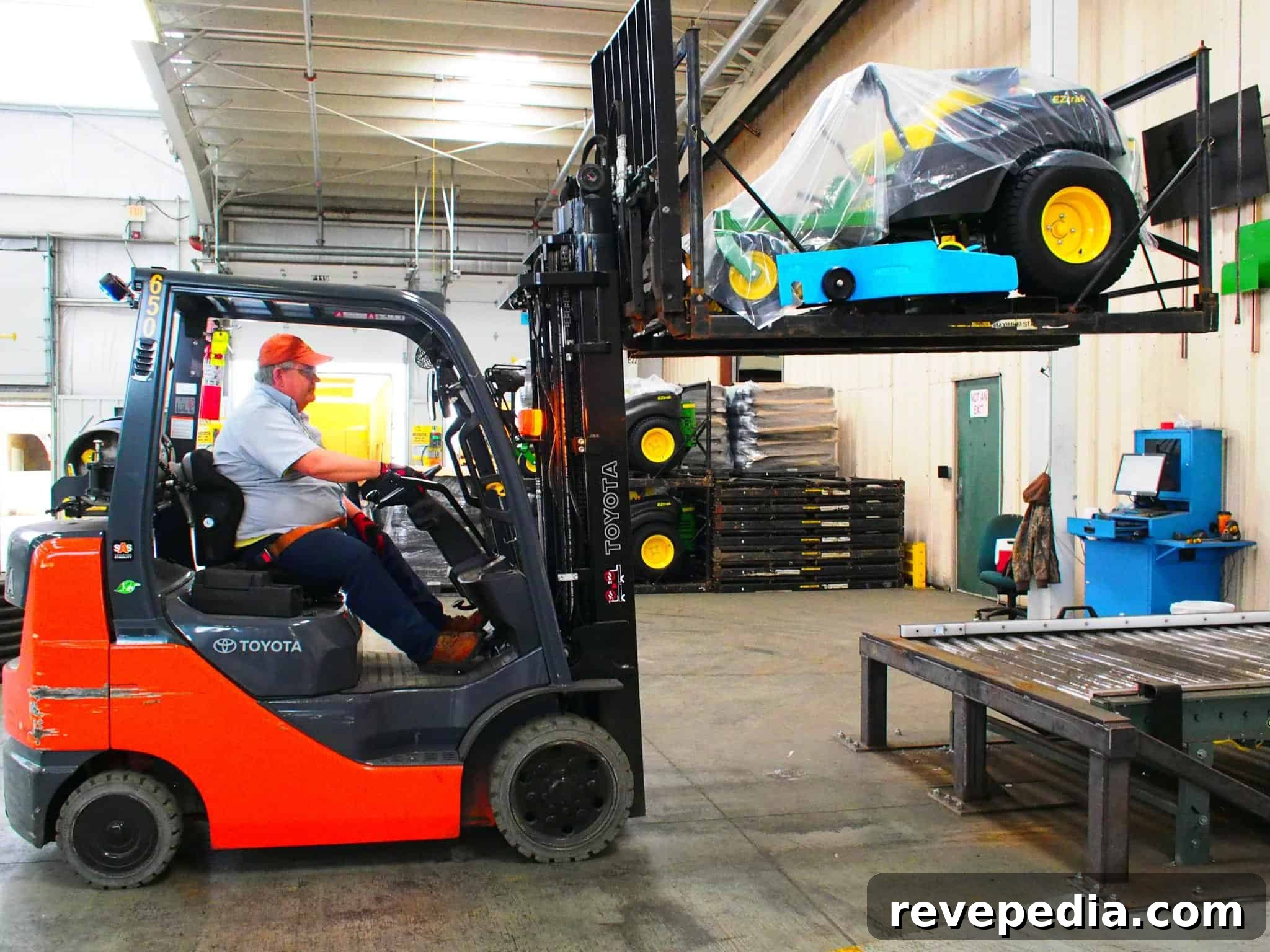
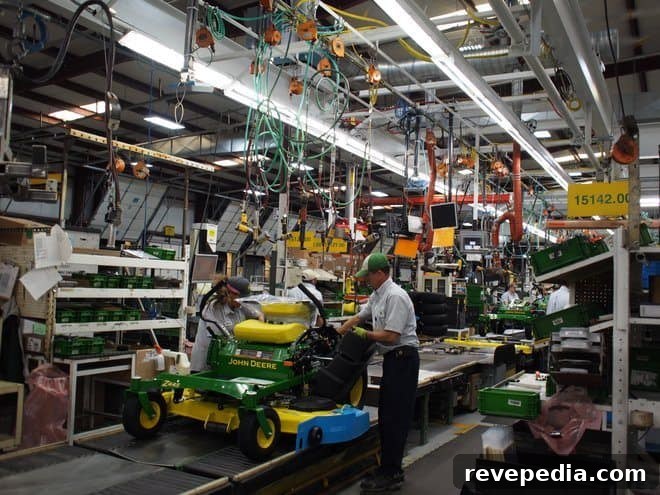
At the John Deere plant in Greeneville, Tennessee, a new lawn tractor rolls off the assembly line every 25 seconds. That pace reflects the plant’s precise processes and efficient team. This was our third visit to a John Deere factory—we previously toured the plants in August, Georgia and Horicon, Wisconsin—and each visit confirmed how consistently impressive their operations are.
Greeneville Culture
While manufacturing speed is essential, Greeneville places safety above all. Producing 63 SKUs at such volume is no small feat, yet the plant has recorded extraordinary safety milestones: five million consecutive lost-time injury–free work hours, and prior to that, a streak of 12 million. By those numbers, the factory floor is statistically safer than many homes.
The plant’s safety record is reflected in OSHA metrics, where Greeneville operates well below average incident rates. Personal and team safety are central to the plant’s culture, which is reinforced by leadership. Plant manager Jeff Hollett, a John Deere veteran of 36 years, maintains an open-door policy and holds weekly meetings that include every employee. He works alongside the team and shares the same expectations, including parking farther out when the closest spots are taken.
Production follows a seasonal cycle: output peaks in March and April, reaching nearly ten times the fall months such as September and October. To meet that demand, the plant brings in contingent staff for peak season. Those temporary employees share the same bonus structure as core workers, giving everyone incentive to maintain safety and quality standards during volume surges.
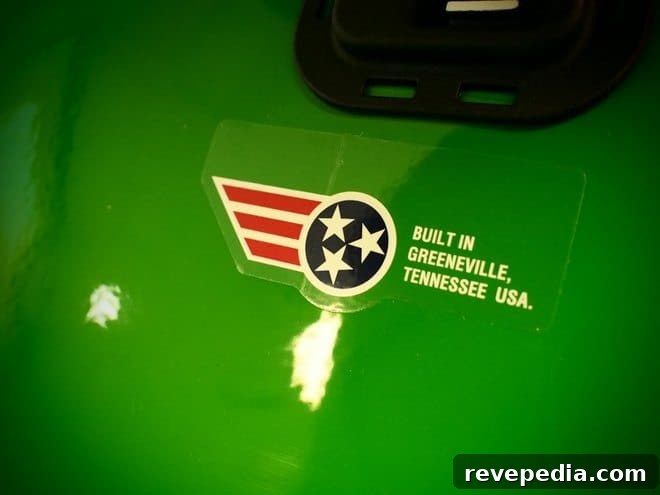
The “Made in Greeneville” sticker used on finished mowers carries real pride and is applied only after a mower meets the plant’s standards.
Beyond the plant walls, Greeneville employees are active in community programs year‑round. One notable effort provides more than 1,200 take-home food boxes each month to help feed children in need. That level of community engagement reflects the broader culture of responsibility and teamwork that keeps the factory meeting its goals and consistently performing at a high level.
The Tractors
Although the culture is compelling, visitors come to see how the tractors are built—and to drive them. Photo and video access on the factory floor was limited, but we captured a lot of footage and images. The most notable constant on the floor is safety: visitors were required to wear hard hats (subtly worn under caps), gloves, eye protection, and earplugs.
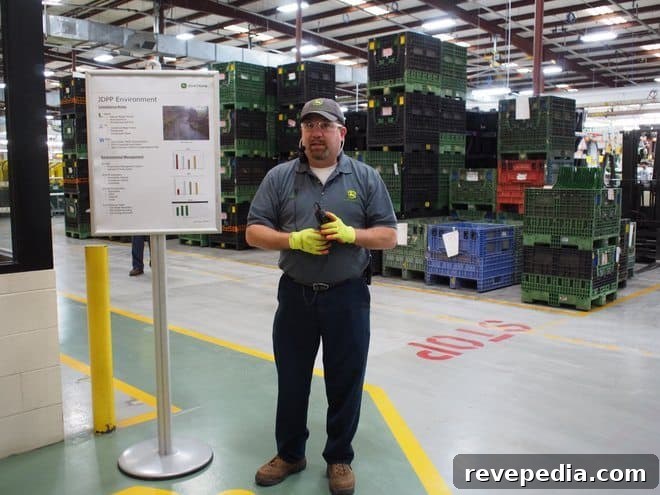
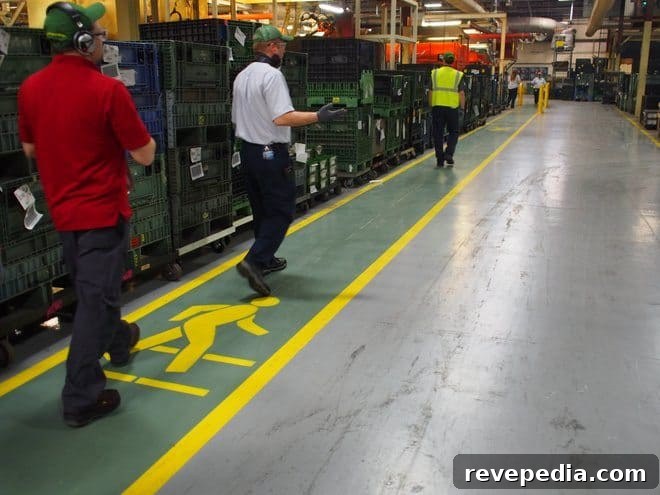
Walking the plant, we followed the “Green Mile,” a painted pedestrian path designed to prevent pedestrian–forklift incidents. The plant also uses visual safety aids on forklifts: a blue laser light projects a spot 10–15 feet behind the vehicle to warn nearby pedestrians when a forklift is approaching from out of sight.
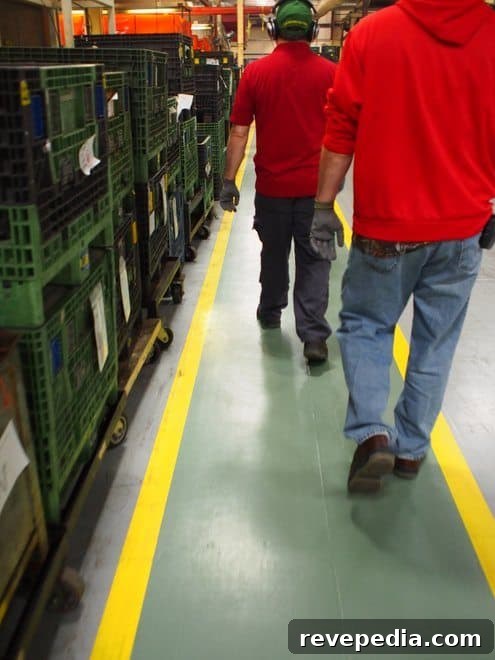
The Greeneville plant operates three primary lines that produce the D100 series, the EZTrak zero-turn models, and the new S240 Sport riding mower. The lines demonstrate end-to-end manufacturing: parts are welded, assembled, and tested, while a few components—such as stamped decks—come from other John Deere facilities. Tractors are built from raw components, run through testing, and shipped complete.
Line employees do not differentiate tractors by destination; every unit is built to the same specifications whether it ships to a John Deere dealer or a big-box retailer like Home Depot or Lowe’s. The common belief that big-box retailers receive lower-quality John Deere products is unfounded; the plant’s processes ensure consistent quality across channels.
The Ride
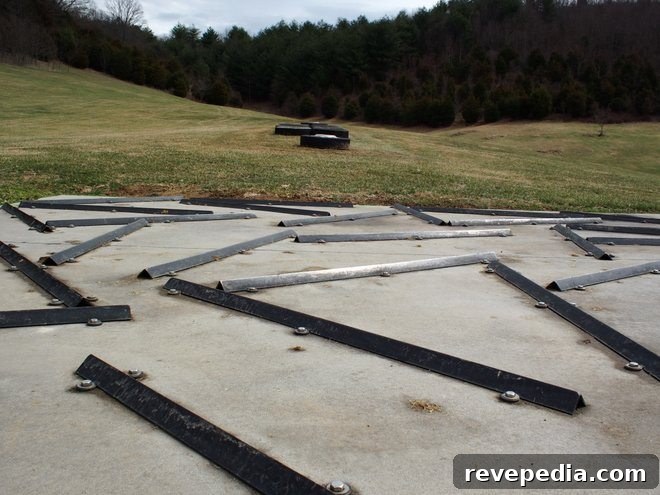
The John Deere test facility in Chuckey, Tennessee sits on more than 300 acres of rolling hills, just down the road from the Greeneville plant. It’s an ideal setting for rigorous testing—and for media test drives. The daily testers at Chuckey push machines hard to ensure durability. During our visit we drove a D105, an S240 Sport, and an EZTrak 665. All handled the bump track and hill runs with confidence.
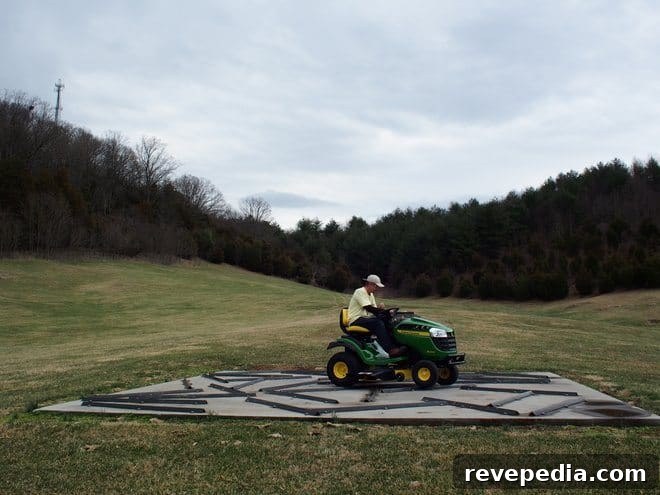
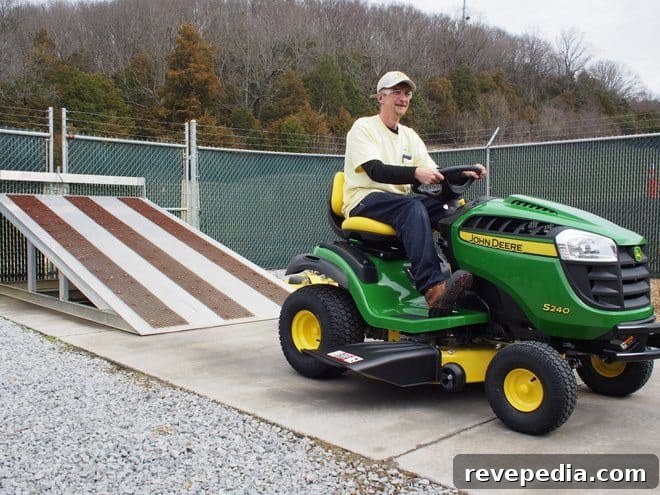
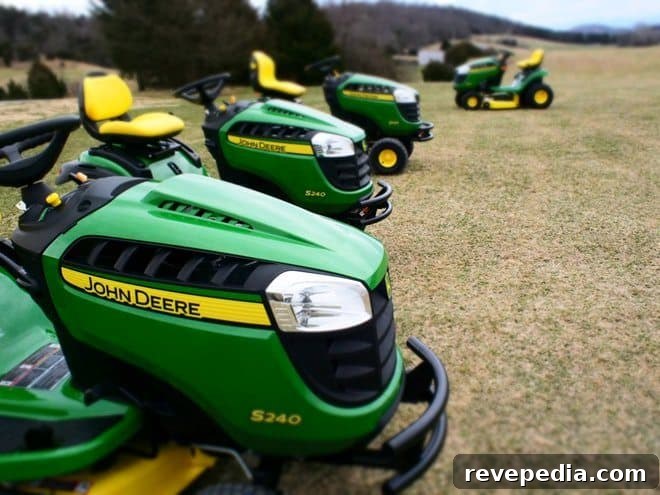
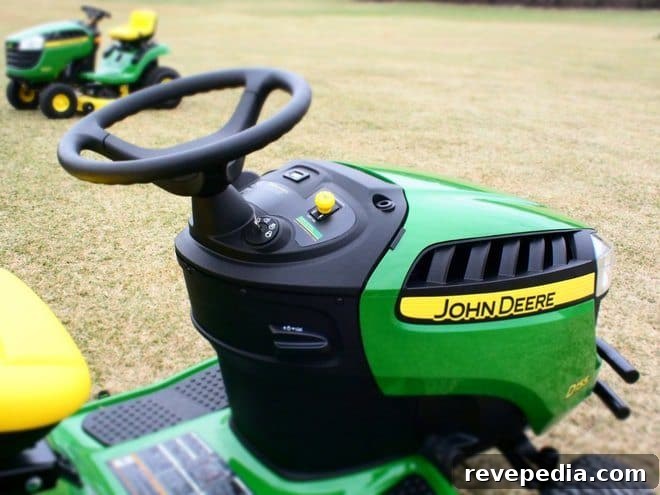
The S240 Sport is a newer model that adds premium features to a compact riding‑mower platform: an upgraded, more comfortable seat, simplified controls, headlights, an 18.5-horsepower Kawasaki engine, and electronic PTO. Its seat, improved suspension, and adjustable placement noticeably increased comfort compared with older models like the D155. For buyers on a tighter budget, the D155 remains a solid choice and includes user-friendly updates such as cruise control and pedal designs resembling automotive controls.
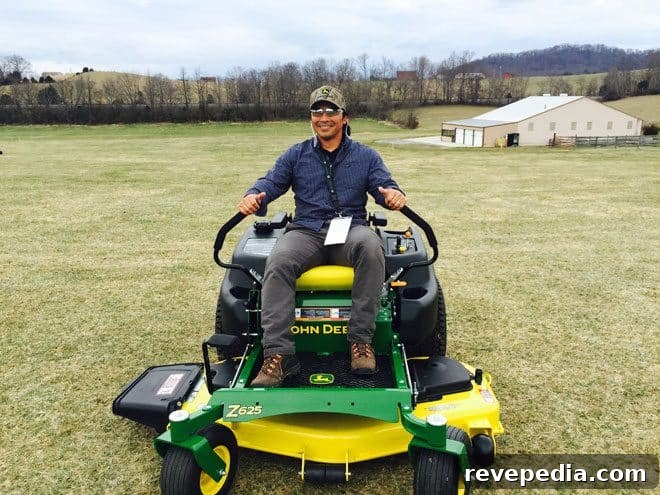
The EZTrak lineup continues to expand in popularity. Models like the Z435 and the Z625 (the latter being the unit we tested) are increasingly chosen by homeowners with large, flat properties as well as by professionals. Zero-turn mowers offer speed and maneuverability that suits both commercial and residential users.
Thank You
We appreciate Sarah Findle of IMRE for coordinating the visit and the John Deere marketing and sales team—Greg Weekes, Kim Ridel, Maureen McCormack, Sean Sundberg, and Melissa Lycan—for their support. Special thanks go to the Greeneville plant team, including Jeff Hollett, Bobby Jones, and all staff members who hosted us so graciously.
Click here for the full photo gallery of our visit.