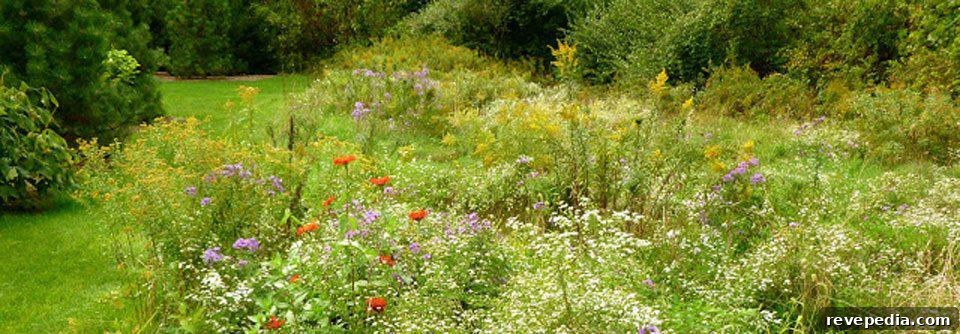
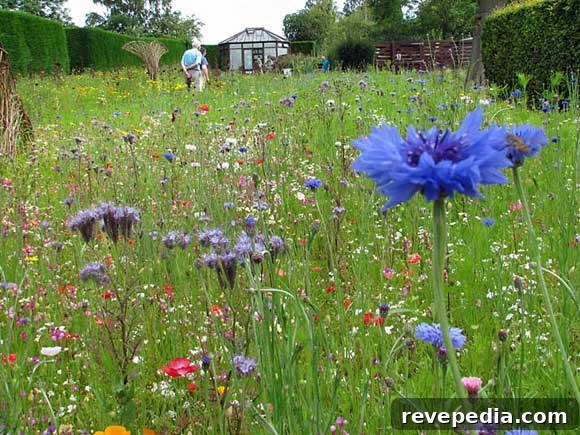
The Wall Street Journal recently highlighted a renewed interest in replacing traditional manicured lawns with more natural meadows. Homeowners and landscape professionals point to multiple benefits: meadows generally require less water, present a more natural aesthetic, and reduce reliance on chemical fertilizers and intensive maintenance, making them an environmentally friendly alternative.
Experts note that meadows typically require up to three years to reach full maturity. Below is a practical, step-by-step guide to converting a lawn into a thriving meadow while minimizing common pitfalls.
1. Remove the lawn. To accelerate the process, apply a targeted herbicide once in the fall and again in the spring. If you prefer an all-natural method, consider smothering the turf with layers of cardboard topped with mulch and allowing it to decompose for about a year. Avoid tilling or vigorous raking, since those actions can bring dormant weed seeds to the surface and slow establishment. Neil Diboll, president of Prairie Nursery, recommends smothering as an effective nonchemical option.
2. Evaluate your soil. Soil type, drainage, and fertility influence which native grasses and wildflowers will thrive. Take a soil sample or consult a local nursery or extension service for species suggestions suited to your region and conditions.
3. Choose the right mix of grasses and wildflowers. A balanced planting—roughly half grasses and half native wildflowers—creates visual interest and supports pollinators while providing structural backbone for the meadow. Select species adapted to your climate and soil to reduce future maintenance.
4. Plant strategically. Seeding is slower to establish than transplanting plugs but is considerably more cost-effective for larger areas. Typical sowing rates range from about 10 to 20 pounds of seed per acre, depending on the species and seed size. Follow supplier recommendations for depth and timing to maximize germination.
5. Manage during establishment. In the first year, maintain the meadow by mowing or cutting regularly to keep plants between 6 and 12 inches tall; this prevents aggressive weeds and encourages desired perennials to establish. After the first two to three years, maintenance drops significantly—most established meadows require just an annual mowing or cutting to remove dead material and promote healthy regrowth.
By planning carefully—removing turf without disturbing the seed bank, selecting regionally appropriate species, and following a patient maintenance schedule—you can transform a water-hungry lawn into a resilient, wildlife-friendly meadow that becomes easier to care for over time.
photo: Ferncreek Design