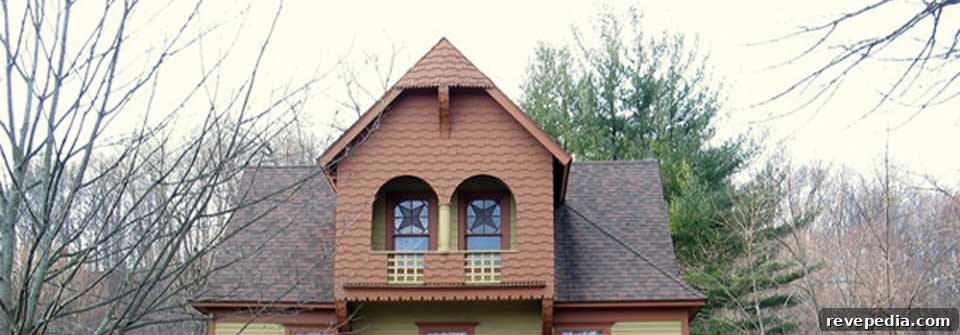
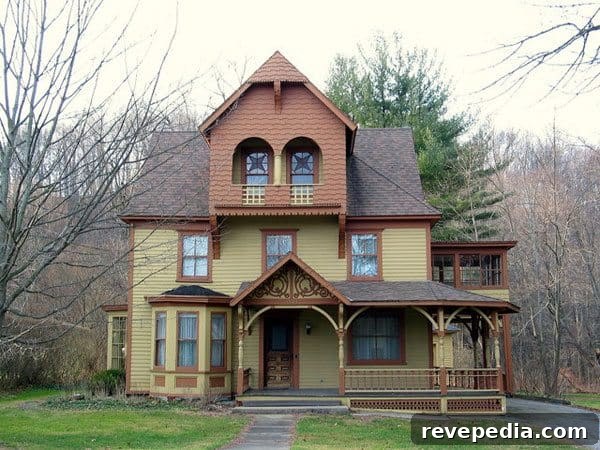
You might not live in an old Victorian home, but if your house often creaks and pops it can sure feel like you do. Those mysterious noises leave many homeowners wondering what’s causing them and whether they signal a serious problem.
One common explanation is that “the house is settling.” While that phrase is often used casually, there’s a real physical process behind it. Wood is an organic material that responds to changes in moisture and temperature. As humidity and temperature fluctuate, wood expands and contracts. When wooden joists, beams, or boards move against each other, tension builds and is eventually released in the form of creaks, cracks, and pops. Both new and older homes can experience this behavior, and in some cases those sounds never fully disappear.
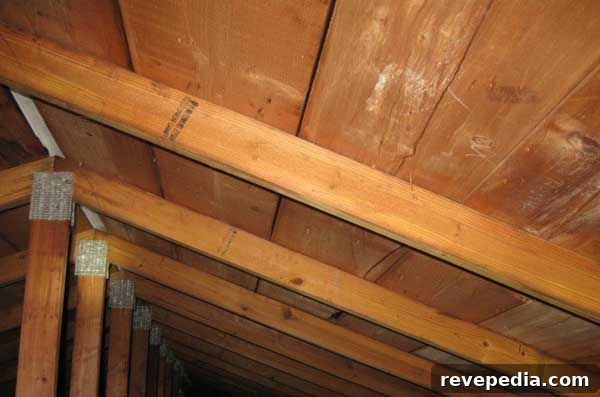
One of the best ways to reduce temperature- and moisture-related noises is to ensure the attic and roof space are properly insulated and ventilated. Good insulation helps stabilize indoor temperatures while balanced ventilation allows warm, moist air to exit in summer and keeps out excess moisture and cold air in winter. Together these measures limit the amount of expansion and contraction that causes many creaks.
Not all house noises come from normal settling. Rodents, raccoons, squirrels, and other pests can make scratching or scurrying sounds behind walls, under floors, or in the attic. If you suspect wildlife or pests, inspect accessible areas for droppings, gnaw marks, torn insulation, or disturbed items—clear indicators of an infestation. If you find evidence or if the noises suggest a persistent problem, contact a professional pest control service to assess and address the situation.
Other sources of house noises include HVAC and plumbing systems. Air ducts can vibrate or expand as they heat and cool, producing ticking or popping sounds. Pipes that aren’t properly secured can knock against studs or expand and contract when hot water runs through them. Loose floorboards or poorly fastened trim and molding are additional, easily fixed sources of noise.
Diagnosing the source of mysterious sounds often starts with careful listening and simple inspections. Try to note when the noise occurs—time of day, weather conditions, or when specific systems like heating or cooling are running. Check attics, crawlspaces, basements, and around exterior eaves for signs of moisture, insulation gaps, or pest activity. Tightening loose screws, adding shims or adhesive where wood meets wood, and securing pipes or ducts can eliminate many common noises.
For larger concerns—visible structural movement, significant moisture intrusion, or persistent rodent infestations—bring in a qualified professional. A home inspector, carpenter, roofer, HVAC technician, plumber, or exterminator can identify and fix issues safely and effectively. They can also advise on long-term solutions like improving ventilation, adding insulation, or repairing roof and flashing to prevent recurring problems.
Regular maintenance and seasonal checks help keep your home quiet and comfortable. Inspecting the attic and roof, sealing gaps, maintaining proper ventilation, and addressing plumbing or pest issues promptly will reduce many creaks and give you peace of mind.
How have you dealt with noises in your home? Identifying the cause and addressing it—whether with a simple DIY fix or by hiring a professional—typically resolves the mystery and restores calm to your living space.