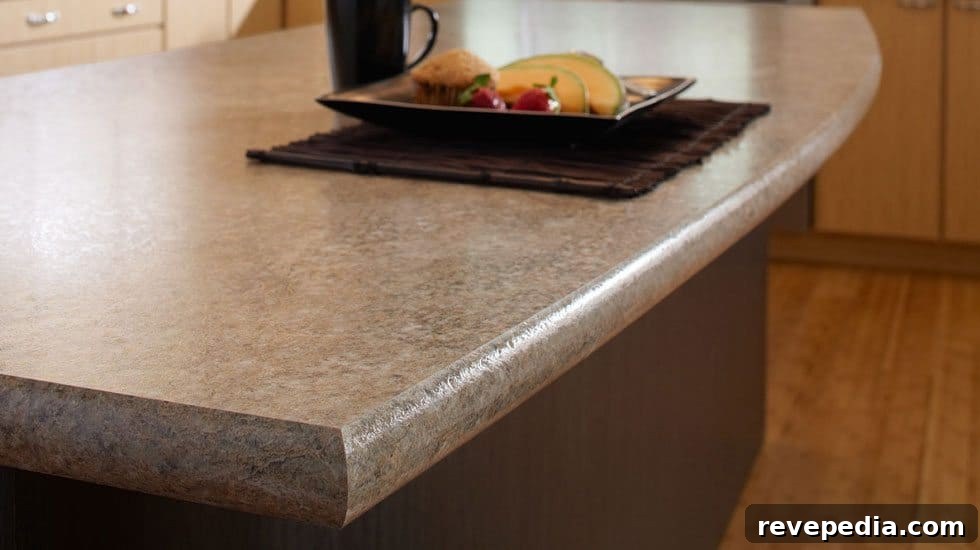
Today’s kitchen countertops are available in a wide variety of colors, patterns, and materials, making it easy to find an option that complements modern, traditional, or country-cottage styles. Mike Olivieri of Olivieri Contracting in North Canton, OH, shares this clear, practical kitchen countertop materials and pricing guide to help homeowners navigate the many choices when selecting countertops. Mike also offers helpful how-to tips on his blog.
Below are key considerations to keep in mind when choosing kitchen countertops.
The Right Price
Establishing a budget up front and sticking to it will simplify the selection process. With so many attractive options available, it’s easy to fall for materials outside your price range.
Make sure you understand what a quoted price includes. A material advertised at $10 per square foot might not include installation, sink cut-outs, edging, or taxes. Ask for a complete breakdown so there are no surprises.
Also consider your home’s market value when choosing countertops. While modern, attractive surfaces can boost resale appeal, over-improving relative to neighborhood standards can be a poor investment. Conversely, using an inexpensive laminate in a high-end home could undermine potential value. Choose materials that fit both your budget and the property’s level.
Ease of Maintenance
Decide how much time you want to spend maintaining your countertops. If you enjoy DIY care and regular upkeep, porous natural materials like granite, marble, or concrete may be fine—these typically require sealing every six months or so.
If you prefer low-maintenance surfaces that free up weekends for other activities, consider stainless steel, quartz, or laminate. These materials resist staining and require minimal routine care.
Durability
Countertops must handle water, heat, knives, and acidic foods. Look for materials that resist stains, cracks, scratches, and etching based on how you use your kitchen.
Solid surface countertops made from acrylic, polyester, or blends are durable, resist stains and scratches, and are repairable or renewable by sanding and refinishing. Granite is among the most popular choices due to its exceptional hardness and resistance to wear.
Marble is prized for baking and pastry work because it stays cool, but it scratches and etches more easily, so some homeowners dedicate a single marble surface for baking and use a different material elsewhere.
Match the countertop choice to your cooking habits and household routines. Every material has pros and cons; choose what best fits your lifestyle.
Kitchen Design
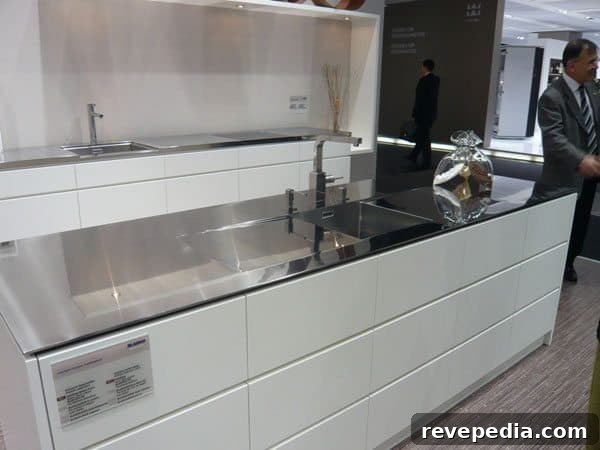
Choose a countertop that works with surrounding finishes. Stainless steel, concrete, and quartz complement modern, industrial, or minimalist kitchens, while granite, soapstone, and tile align with classic or traditional interiors.
Natural stone and tile bring a timeless, organic quality to kitchens and suit a wide range of home values, from mid-range residences to luxury homes. Select a surface that ties the room together visually while meeting functional needs.
Quick Reference
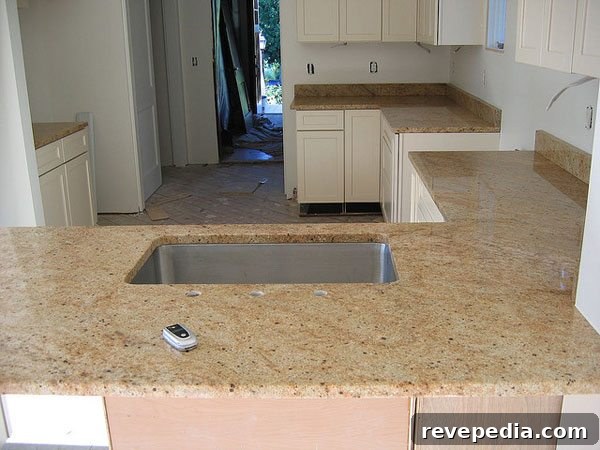
Granite
Pros: Durable, highly resistant to wear, and each slab is unique with natural color and pattern variations.
Cons: Requires periodic sealing to prevent stains; heavy, requiring sturdy cabinetry and support.
Cost: $35 to $100 per square foot, installed.
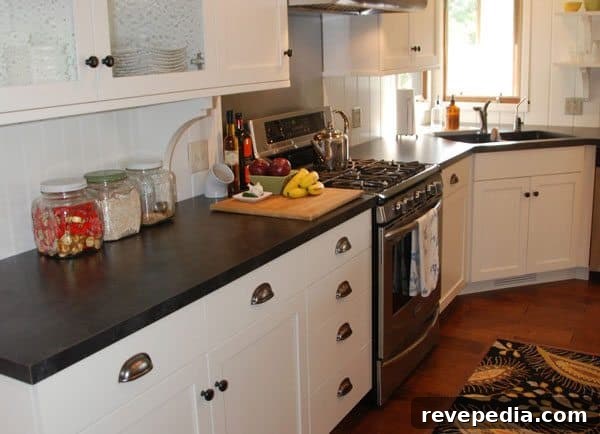
Solid Surfacing
Made from acrylic and polyester blends.
Pros: Low maintenance, repairable (scratches and burns can be sanded out), seamless installation reduces places for dirt and bacteria to collect, and available in many colors and patterns.
Cons: Can appear artificial; hot pans and sharp knives can cause damage.
Cost: $35 to $100 per square foot.
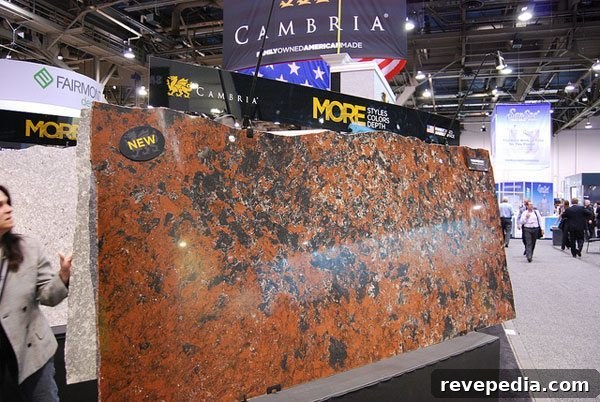
Quartz
Pros: Virtually maintenance-free, highly consistent appearance, and available in a broad range of colors and patterns.
Cons: Because it’s engineered, some people can tell it’s not natural stone.
Cost: $40 to $90 per square foot, installed.
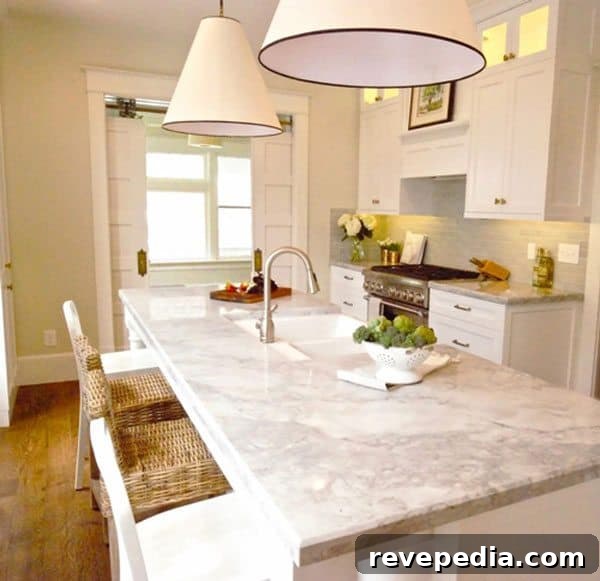
Marble
Pros: Elegant appearance and ideal for pastry work because it remains cool.
Cons: Susceptible to staining, scratching, and chipping even when sealed; often used selectively rather than across an entire kitchen.
Cost: $40 to $100 per square foot, installed.
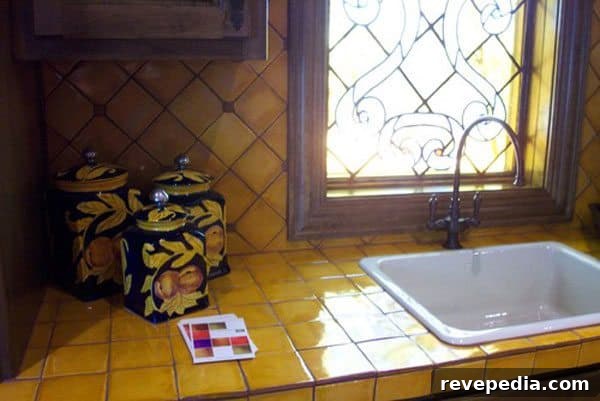
Tile
Pros: Resists stains and heat, stands up well to knives, and individual tiles can be replaced if damaged.
Cons: Uneven surface can make certain tasks awkward; grout can stain if not sealed and moisture can cause damage and bacterial growth if water sits in grout lines.
Cost: $10 to $80 per square foot, installed.
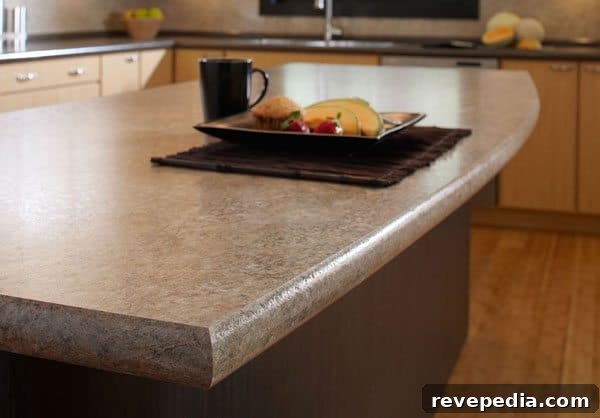
Laminate
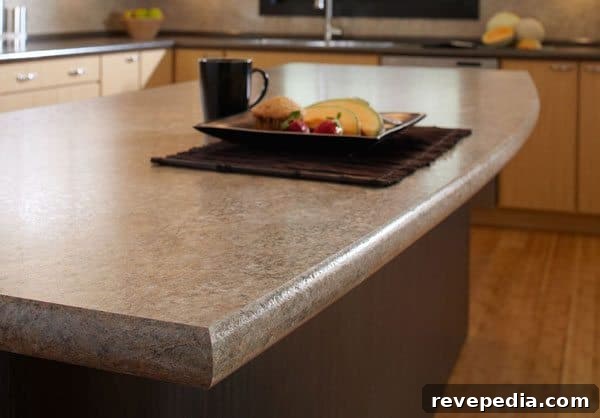
Pros: Affordable, lightweight, low maintenance, and easy to clean.
Cons: Prone to scratches, burns, and stains; susceptible to peeling with moisture or weather exposure; not suitable for under-mount sinks; difficult to repair when damaged.
Cost: $10 to $30 per square foot, installed.
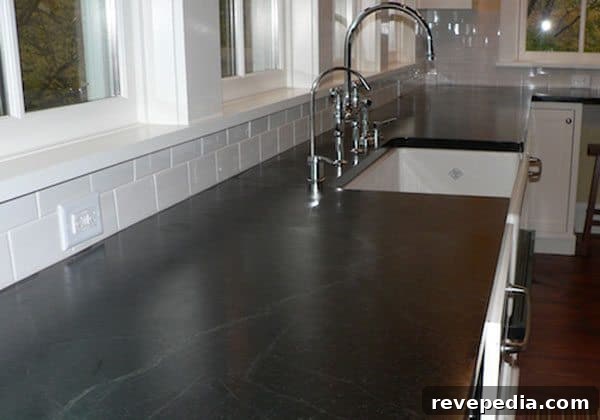
Soapstone
Pros: Natural, warm appearance that develops a rich patina over time as it darkens.
Cons: Requires occasional oiling to maintain appearance, can crack with age, and is susceptible to nicks from sharp knives; its natural texture can scuff delicate glassware or china.
Cost: $70 to $100 per square foot, installed.
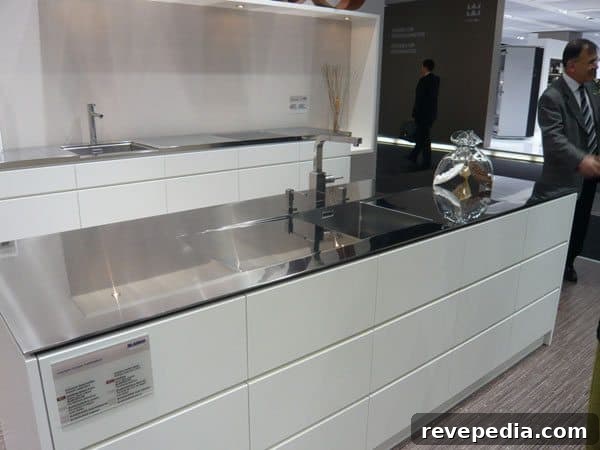
Stainless Steel
Pros: Extremely durable, heat-resistant, and hygienic; fits contemporary and industrial designs.
Cons: Shows fingerprints readily and needs frequent wiping; certain chemicals can discolor or etch the surface; custom fabrication can be costly.
Cost: $65 to $125 per square foot, installed.
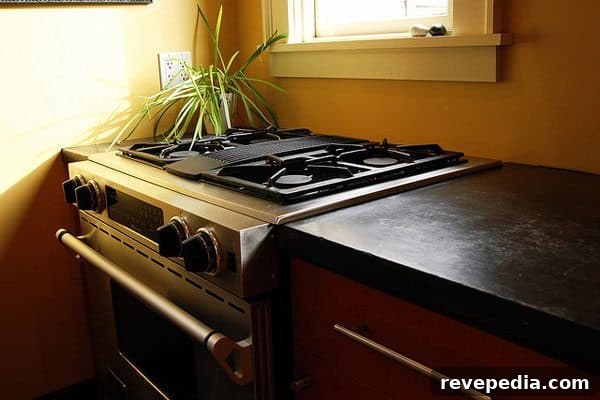
Concrete
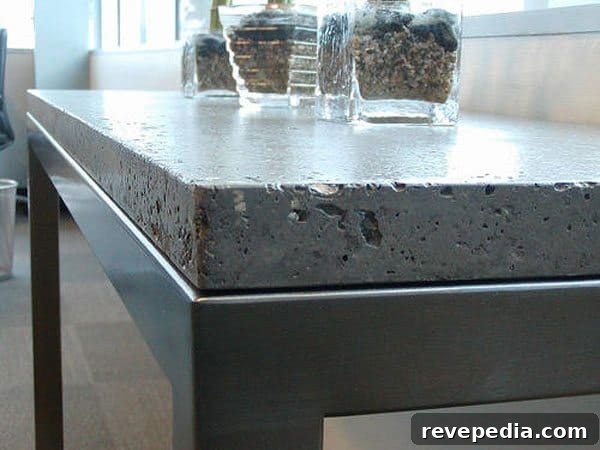
Pros: Highly versatile and customizable—can be shaped for unique counters, tinted to match décor, and embedded with inlays like glass, pebbles, or shells; durable under heavy use.
Cons: Porous unless frequently sealed, so staining is a risk; small cracks can form over time; heavy and requires strong structural support.
Cost: $75 to $125 per square foot, installed.
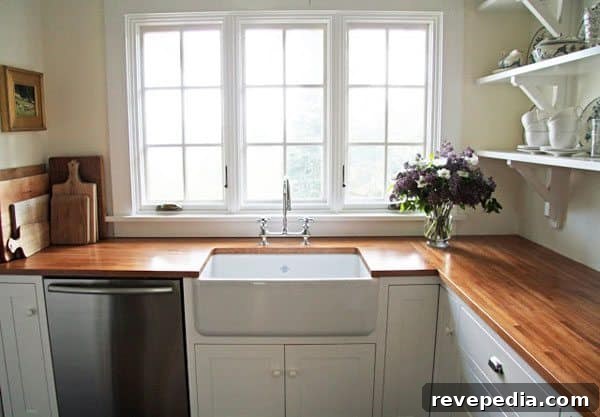
Butcher Block
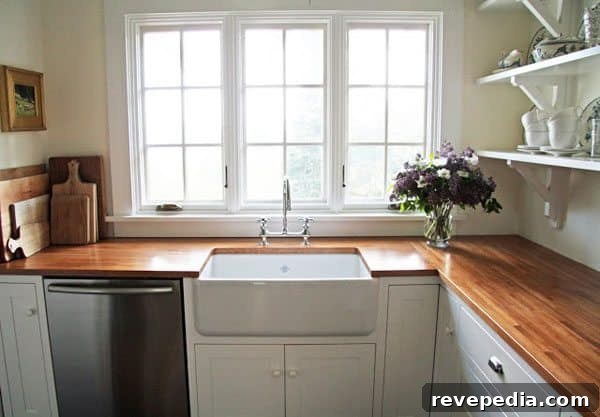
Pros: Warm, natural look; scratches are repairable by sanding.
Cons: Sensitive to moisture—swelling and contraction can occur; can harbor bacteria if not cleaned and disinfected regularly; requires oiling to protect the surface and fill scratches.
Cost: $35 to $70 per square foot, installed.
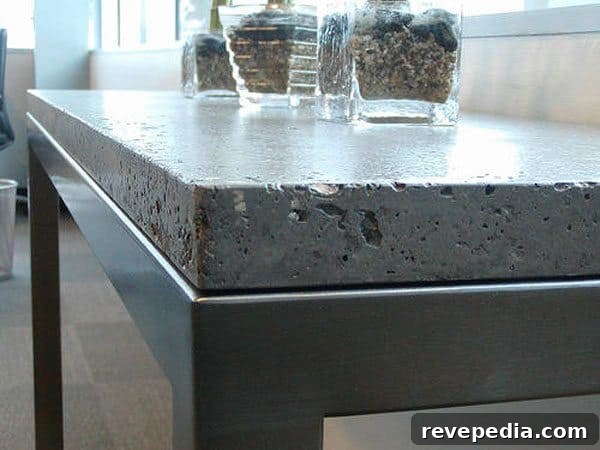
Paper Composite
Pros: Offers a warmer feel than laminate or some engineered surfaces, surprisingly durable, and resists heat and water better than some natural materials; lighter than stone or concrete.
Cons: Can be scratched or chemically damaged; needs occasional oiling and sanding to renew the surface.
Cost: $85 to $100 per square foot, installed.
When selecting a countertop, weigh budget, maintenance, durability, and design compatibility with your kitchen and lifestyle. Each material has trade-offs, so prioritize what matters most for daily use and long-term value.