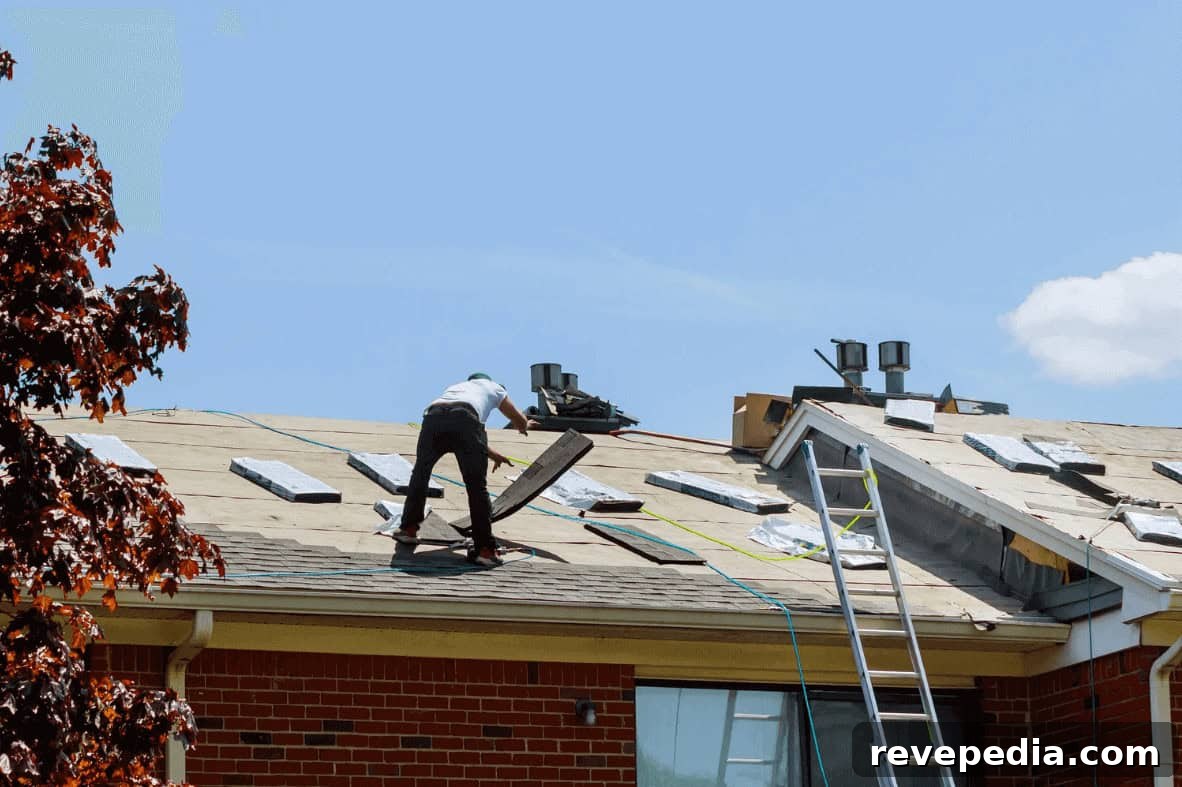
Home improvement projects often require more than a hammer and a paintbrush. Whether you’re raising the height of a backyard wall, building a deck, installing new electrical fixtures, or undertaking a full renovation, these tasks frequently involve power tools, ladders, heavy materials, and other potentially hazardous equipment.
For contractors and serious DIYers, knowing how to complete a job safely is just as important as knowing the steps needed to finish it. Safety training is a critical part of every construction or renovation project because it equips workers with the knowledge to recognize hazards, follow established procedures, and operate tools and equipment responsibly.
Even seasoned builders benefit from refreshed safety education. A deeper awareness of jobsite risks and best practices can prevent accidents, reduce downtime, and protect both workers and homeowners.
OSHA training is particularly valuable in this context. These programs explain the real risks present on construction sites and renovation projects and provide practical guidance for managing those risks safely. Proper training helps everyone involved understand how to prevent injuries and respond appropriately when hazards arise.
Why Safety Matters in Construction and Home Improvement
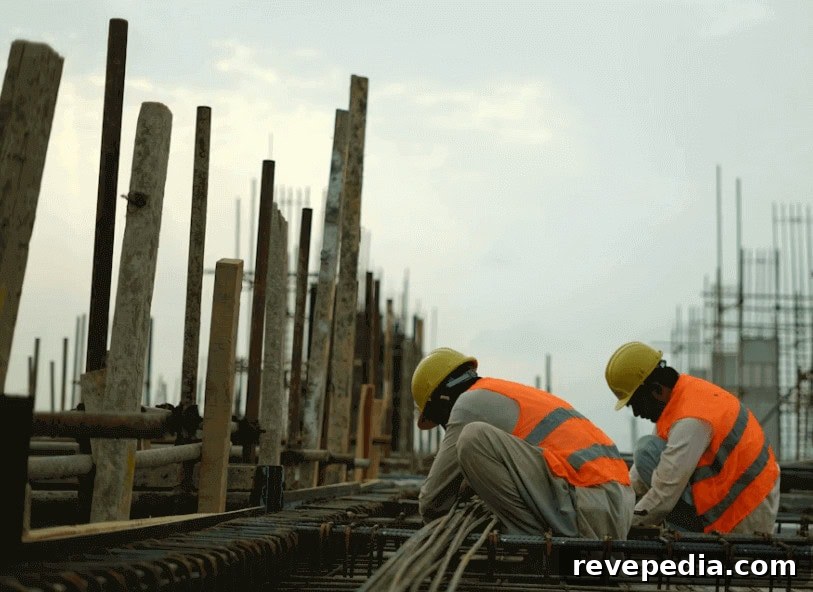
Construction and renovation sites are filled with potential hazards. Workers and homeowners face risks from power tools, ladders, scaffolding, electrical systems, and hazardous materials such as paints, solvents, and adhesives. According to the U.S. Occupational Safety and Health Administration (OSHA), construction consistently ranks among the most dangerous industries, contributing a significant share of workplace injuries and fatalities.
Homeowners and DIYers are not exempt from these risks. What may appear to be a simple repair can lead to serious accidents if tools are misused, ladders are unstable, or chemicals are handled improperly. Local building codes often require certain work to be completed by licensed professionals—ignoring these rules can result in fines, insurance complications, and unsafe living conditions.
What OSHA Training Provides
OSHA training helps participants recognize common workplace hazards and learn practical methods to control or eliminate them. Course topics typically include hazard communication, safe handling of chemicals, proper use of personal protective equipment (PPE), and procedures for working with heavy machinery or electrical systems.
For both contractors and DIYers, understanding OSHA standards can be the difference between finishing a project safely and facing costly injuries or penalties. Training is comprehensive and designed to ensure that everyone involved knows how to protect themselves, their colleagues, and the property where they work.
How OSHA Training Improves Jobsite Safety
Identifying and Reducing Risks
A key element of OSHA training is teaching participants to detect hazards before they become incidents. Construction sites contain many potential dangers, from unguarded machinery to unstable scaffolding. Training teaches how to evaluate risks, prioritize corrective actions, and implement controls to prevent accidents.
Workers trained in hazard recognition can assess their surroundings, spot chemical and physical risks, and apply safety measures that protect everyone on site. This proactive approach reduces accidents and helps teams work with greater confidence and focus.
Safe Use of Tools and Heavy Equipment
Many home improvement projects involve power tools and heavy machinery—circular saws, drills, nail guns, forklifts, and compact equipment that pose specific hazards. Without proper instruction, the chance of injury increases significantly.
OSHA training covers correct operation, maintenance, and inspection of tools and equipment. It also emphasizes the importance of proper PPE—hard hats, gloves, eye protection, and appropriate footwear—to minimize injury risk. When workers know how to prevent kickbacks, lock out equipment during maintenance, or ensure only trained personnel operate heavy machinery, jobsite safety improves dramatically.
Benefits of OSHA Training for DIYers and Small Contractors
OSHA training offers practical advantages for homeowners and small contractors. First, it provides the knowledge needed to perform tasks safely and avoid common injuries. That confidence makes it easier to tackle complex projects or handle hazardous materials like electrical components or older finishes that may contain harmful substances.
Certification also reduces liability. Many projects must comply with local safety regulations, and contractors with OSHA training demonstrate a commitment to industry standards. This can build trust with clients and may be essential for small businesses trying to establish a professional reputation.
For homeowners, hiring a contractor with OSHA training helps ensure work meets safety and compliance requirements, lowering the chance of future problems and improving overall project outcomes.
Choosing the Right OSHA Course
Select OSHA training that matches the type of work you plan to do. Courses range from general safety overviews to specialized instruction—hazardous materials handling, fall protection, or heavy equipment operation. Evaluate course content to ensure it covers the specific hazards you’ll encounter.
Many providers offer flexible online OSHA courses that align with official standards, making them suitable for busy contractors, small business owners, or DIYers who prefer to learn at their own pace. Prioritize programs that combine regulatory compliance with practical guidance you can apply on real jobsites.
Conclusion
Successful home improvement and construction projects depend on careful planning, the right tools, and a strong focus on safety. Whether you’re a contractor supervising a crew or a homeowner taking on a DIY renovation, being able to identify hazards and follow proper safety procedures is essential.
OSHA training helps builders, contractors, and serious DIYers develop the skills needed to work safely with tools, machinery, and potentially hazardous materials. It promotes regulatory compliance, reduces the risk of accidents that can delay work or cause injuries, and ultimately contributes to better, safer project outcomes.
Investing in OSHA training is an investment in safer, more reliable projects. Flexible, comprehensive courses provide the knowledge needed to maintain safe worksites and complete construction tasks with confidence.