Windows are a common entry point for burglars, but they are also among the easiest parts of a home to improve without major construction. You don’t need to reframe windows or undertake extensive renovations to make them significantly more secure.
By applying a series of practical, incremental changes, homeowners can reduce risk while preserving comfort and natural light. This approach emphasizes simple improvements that can be phased in over time and adjusted as needed.
Common Window Risks
Many security problems stem from predictable ways windows are breached. Older or basic locks, thin or single-pane glass, and poorly maintained frames create vulnerabilities that are easy to overlook in everyday use. Even modern homes can have weak spots—windows hidden from the street or obscured by vegetation—that give intruders the cover they need to attempt a break-in.
Another frequent issue is inconsistent locking behavior. A window left slightly ajar for ventilation or not fully secured at night becomes an easy point of entry. Weather and age can also loosen fittings and hardware, making it possible to force windows open with little resistance.
The first step toward a safer home—without major renovations—is to identify these risks and plan targeted improvements to address them.
Glass Protection Methods
One of the most effective ways to improve window security without replacing the entire frame is to strengthen the glass. Security film can be applied to existing panes to help hold the glass together if it’s struck or shattered. This makes forced entry more difficult and increases the time required to gain access, which often deters attempts.
For greater durability, laminated glass panels can be installed during routine maintenance or when windows are being replaced. While this requires a larger investment than film, it does not demand a full renovation and provides long-lasting protection.
Interior solutions—such as reinforced blinds or shutters—can also reduce visibility into the home and make it harder for potential intruders to assess interior contents or activity.
Lock and Frame Strengthening
Upgrading window locks is one of the simplest changes with the biggest impact. Standard sash or latch locks are designed to close windows, not to withstand force. Adding secondary locks, sash locks, or keyed locks creates another barrier that is harder to overcome, especially on ground-level windows.
Window frames should be inspected for strength and alignment. Even the best locks won’t help if the frame is loose or weakened. Simple reinforcements—longer screws, metal brackets, or upgraded strike plates—can be installed without replacing the entire frame. Ensure moving parts operate smoothly so the system resists force and wear.
Lighting and Visibility
Proper exterior lighting around windows helps deter unwanted activity. Well-lit areas reduce hiding spots and make it more likely that a passerby or neighbor will notice suspicious movement. Motion-activated lights are especially useful because they provide illumination only when needed, conserving energy while responding to activity.
Maintaining clear sightlines to windows is also important. Trim back dense shrubs and remove objects that block views to the exterior so occupants can more easily see what’s happening outside. This balances privacy with awareness and makes it harder for someone to approach windows undetected.
Monitoring and Alerts
Modern monitoring devices can enhance window security without structural changes. Contact sensors, window alarms, and wireless systems are easy to install on frames and will alert you when a window opens unexpectedly. These solutions are suitable for houses and apartments and typically require minimal tools for installation.
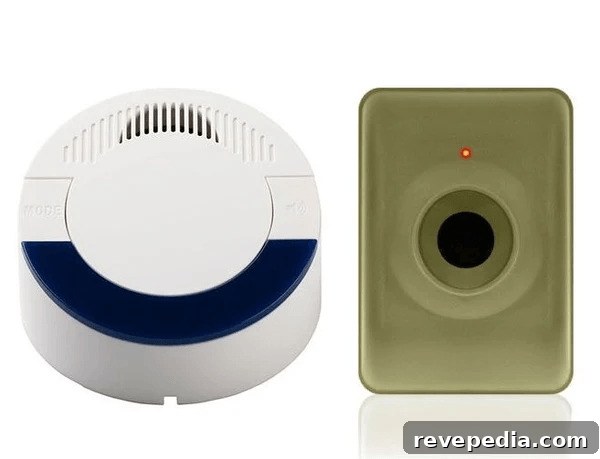
External perimeter alerts—such as driveway alarms or motion detectors—provide early warning when someone approaches the property, giving homeowners time to respond before an intruder reaches the windows. Combined with indoor alerts and routine inspections, these tools form a layered security approach that strengthens protection without altering the building’s structure.
Conclusion
Window security can be significantly improved with minimal or no construction by using a series of practical, cumulative measures that target vulnerable areas rather than overhauling entire systems.
Small upgrades—better locks, glass protection, and frame reinforcements—offer cost-effective, practical improvements that maintain the home’s comfort and functionality while increasing safety. These changes are most effective when maintained over time and paired with good lighting, clear visibility, and basic monitoring tools.
When combined, these measures create a layered strategy that maximizes security without changing the property’s structure, giving homeowners greater peace of mind with manageable effort and expense.