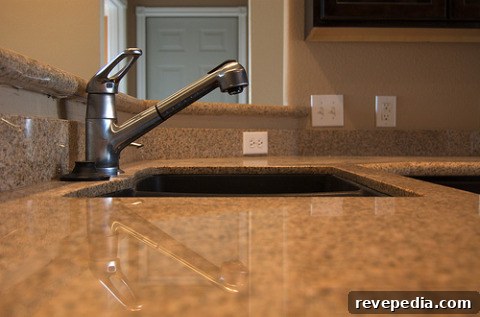
Sometimes you want stronger water pressure at the kitchen sink — the kind that blasts away stuck-on food and makes cleaning much faster. Upgrading to a pull-out spray faucet is an effective, relatively quick way to get that power and improve your kitchen’s functionality. The following guide walks you through the basic steps to replace a standard kitchen faucet with a pull-out model. Take your time, follow the manufacturer’s instructions, and keep safety in mind.
Step 1. Turn off the water
Before you begin any work, shut off the water supply to the sink. This prevents unexpected sprays and minimizes the chance of creating a bigger mess. After shutting off the valves, open the faucet to relieve residual pressure and drain remaining water from the lines.
Step 2. Disconnect the hot and cold water lines
Under the sink, disconnect the supply lines from the faucet. Inspect the supply hoses, shutoff valves, and fittings for wear or corrosion; you may want to replace old parts while you have the area exposed. New faucets sometimes connect differently, so compare the existing plumbing with the new hardware to identify any required adapters or replacement fittings.
Step 3. Remove the retaining ring
Locate and remove the mounting hardware that secures the old faucet to the countertop or sink. This is often a retaining ring or mounting nut on the underside. This job can be tight and awkward, so take care to avoid dropping tools or small parts. Wear safety glasses to protect your eyes from debris and to make the job more comfortable.
Step 4. Remove the old faucet and clean the area
Pull the old faucet out through the sink or countertop hole and remove any attached water lines. Clean the mounting area and countertop surface to remove old plumber’s putty, mineral deposits, or grime so the new faucet will seat properly and look neat.
Step 5. Install the new pull-out faucet
Feed the new faucet’s hoses through the sink or countertop hole, position the faucet, and secure it according to the manufacturer’s instructions. Many models include their own mounting hardware and a gasket or seal. Read and follow the included directions carefully — they explain the correct order and torque for fasteners and often note common pitfalls.
Depending on your plumbing, you may need adapters between the faucet’s supply hoses and the existing 1/2″ plumbing, or the new hoses may attach directly to compression fittings. Keep the local hardware store’s hours in mind so you can quickly obtain any small, unexpected parts. Completing the project in one trip keeps your sink usable the same day.
Once everything is connected, turn the water back on and inspect all connections for leaks. Run the faucet and check both hot and cold functions, and watch underneath the sink for any sign of dripping. It’s wise to check again over the next few days to ensure no slow leaks develop.
With the new pull-out spray installed, test the spray function on a few tough jobs — burnt-on pots, large pans, or other stubborn residues. The pull-out nozzle makes rinsing, filling, and directing water much easier and can cut dishwashing time significantly. While it’s tempting to prank a partner or pet, keep safety and courtesy in mind.
Enjoy the improved cleaning power and convenience of your new kitchen faucet. Proper installation and periodic checks will keep it performing well for years.
photo courtesy of flickr/fazimoto