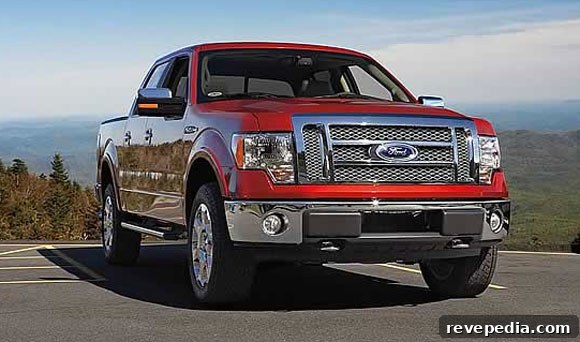
Are you in the market for a capable, dependable work truck? The light-duty truck segment has expanded significantly, offering greater comfort, stronger powerplants, and improved fuel efficiency. While we still admire our trusty 2001 F-150, the 2011 model year from the major manufacturers — along with notable imports — is tempting us to consider an upgrade.
Many brands introduced hybrid options around this time, though those models typically came with a substantial price premium. For most buyers, the conventional gasoline and diesel engines provide ample power, and ongoing investments in research and development have steadily improved miles per gallon across the lineup.
Below are representative 2011 models from several manufacturers. In upcoming posts we’ll take a closer look at our favorites and highlight the features that stand out on each truck. Do you have a preferred model?
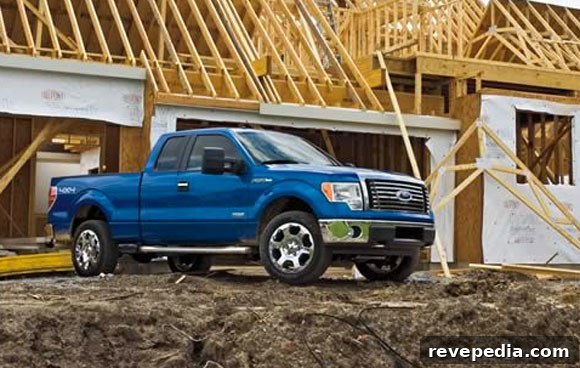
2011 Ford F-150
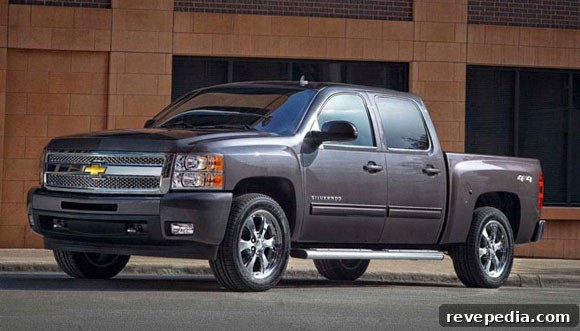
2011 Chevy Silverado 1500
2011 GMC Sierra 1500
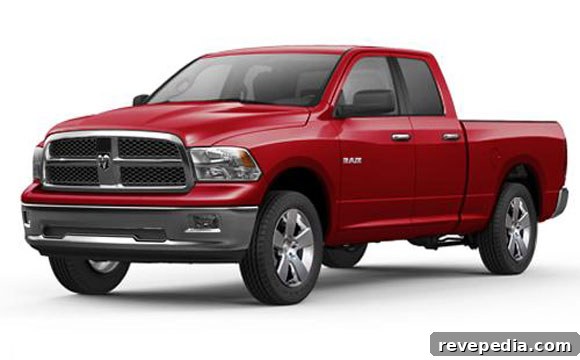
2011 Dodge Ram 1500
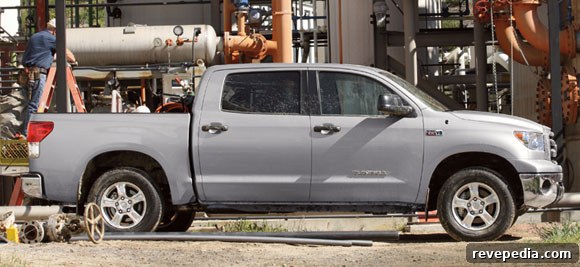
2011 Toyota Tundra
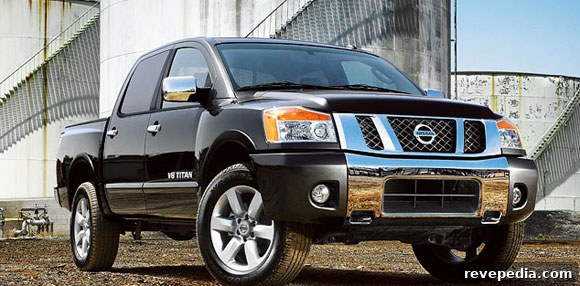
2011 Nissan Titan
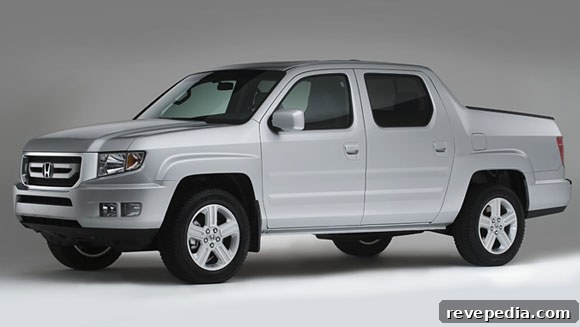
2011 Honda Ridgeline
Each of these 2011 trucks brought its own mix of strengths. The Ford F-150 emphasized a broad engine lineup and strong towing capability. GM’s Silverado and Sierra focused on balanced performance and durability. The Ram 1500 aimed to blend ride comfort with hauling power. Toyota’s Tundra built its reputation on reliability and robust V8 options, while the Nissan Titan offered solid value and capability. Honda’s Ridgeline, distinct from the body-on-frame crowd, prioritized carlike handling and innovative cargo features for buyers who wanted a more refined daily driver.
When choosing a work truck, consider these factors:
- Engine and towing needs — match horsepower and torque to the loads you carry.
- Fuel economy — compare ratings for highway and city driving based on typical usage.
- Cab and bed configuration — crew cabs and longer beds increase versatility and comfort.
- Reliability and ownership costs — research maintenance history and typical repair expenses.
- Comfort and technology — modern cabins offer improved ergonomics and connectivity that can matter on long workdays.
We’ll be analyzing features, drivetrains, and practical pros and cons of these models in our follow-up articles. Meanwhile, feel free to share which truck you prefer and what features matter most to you when deciding on a work vehicle.