You’ve likely come across the term “universal design,” especially in conversations about making homes safe and comfortable for people as they age. However, universal design isn’t limited to older adults; it focuses on creating spaces that are accessible, functional, and easy to use for people of all ages and abilities. That broad goal influences every design decision in a home, from door widths and lighting to fixture placement and, importantly, flooring.
Flooring plays a crucial role in universal design because it directly affects safety, mobility, and maintenance. Floors that are difficult to traverse, slippery, or that create sudden level changes can increase the risk of falls and make everyday movements harder for people using mobility aids like walkers, wheelchairs, or canes. When planning flooring with universal design in mind, prioritize surfaces that reduce trip hazards, minimize effort to move across, and are easy to clean and maintain.
One simple rule: avoid loose or unsecured rugs and mats that can bunch up or slide underfoot. Area rugs with thin, non-slip backing that lie flat can work in some spaces, but in high-traffic areas and along common paths, continuous floor surfaces are much safer. Equally important is managing transitions between different flooring types—these should be smooth and gradual to prevent stumbling and to allow wheeled mobility devices to pass without obstruction.
At a recent universal design panel I attended in Kansas City, accessibility experts and designers shared practical flooring recommendations. They emphasized that although soft carpets are comfortable and can cushion falls, they can also present problems if the pile is too thick for wheelchairs or walkers. For many homes, non-carpeted surfaces are preferable because they offer lower resistance and are simpler to clean and maintain. Below are three strong flooring options for universal design, each with benefits to consider depending on the room and household needs:
1. Tile. Tile remains a popular and economical choice for floors that must support high mobility and easy upkeep. It comes in many finishes and textures, including slip-resistant varieties that are well suited for kitchens, bathrooms, and entryways—areas prone to spills and moisture. Tile’s durability makes it a cost-effective solution for covering large areas, and because it’s available in many sizes, colors, and patterns, it can be adapted to match a home’s aesthetic while still prioritizing safety and performance. When choosing tile for universal design, look for slightly textured or matte surfaces and avoid overly smooth finishes that become slippery when wet.
2. Hardwood. Hardwood floors provide a smooth, continuous surface that supports wheelchairs and walkers while adding warmth and visual appeal to a home. Properly sealed hardwood resists stains and wear, simplifying cleaning and maintenance. Engineered hardwood represents a more dimensionally stable option for areas where moisture or temperature fluctuations are a concern. With today’s wide variety of species, stains, and plank widths, hardwood can complement almost any decor and budget. For universal design, choose planks and installation methods that reduce gaps and uneven seams, and apply finishes that balance traction with ease of rolling mobility aids.
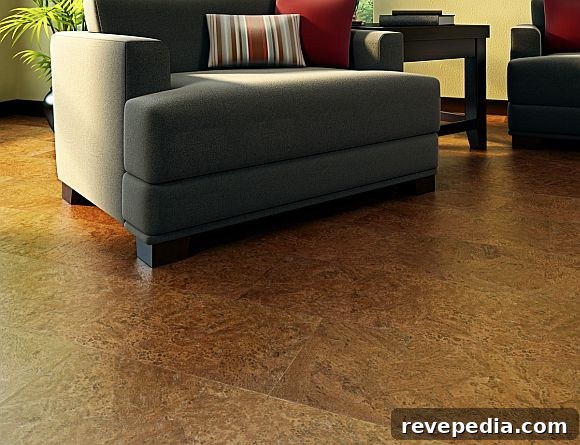
3. Cork. Cork flooring combines several attractive qualities for universal design: it is softer underfoot than tile or hardwood, offers a modest cushion that can reduce injury during a fall, and provides natural thermal properties that help retain warmth underfoot. Cork also delivers a stable, continuous surface that accommodates mobility devices with minimal resistance. Its resilience can reduce fatigue for people who stand frequently. Properly sealed cork resists moisture and stains; regular maintenance similar to hardwood—gentle cleaning and periodic re-sealing—will keep it in good condition. Choose high-quality cork with a durable finish to maximize longevity.
Each of these flooring types has trade-offs, so selecting the right material depends on the specific needs of the household and the area of the home. For example, tile is excellent where moisture control and easy cleaning are critical, hardwood offers timeless aesthetics and smooth transitions, and cork provides comfort and warmth where a softer surface is desired. Combining materials thoughtfully—placing tile in bathrooms and kitchens, hardwood in main living areas, and cork in spaces where comfort is a priority—can create a home that is both attractive and functional for occupants of varying abilities.
Beyond material choice, consider these practical tips to enhance floor safety and accessibility: ensure level transitions between rooms, use low-profile thresholds, install non-slip finishes in moisture-prone spaces, and maintain clutter-free pathways. Lighting also plays a role—well-lit floors and clear visual contrast between floor and wall edges reduce missteps. Finally, consult with occupational therapists or accessibility specialists when making major changes to ensure your choices support the widest range of users.
Have you considered universal design in your home? Which flooring changes would make daily life easier and safer for you or your family?
Photo courtesy of Real Cork Floors