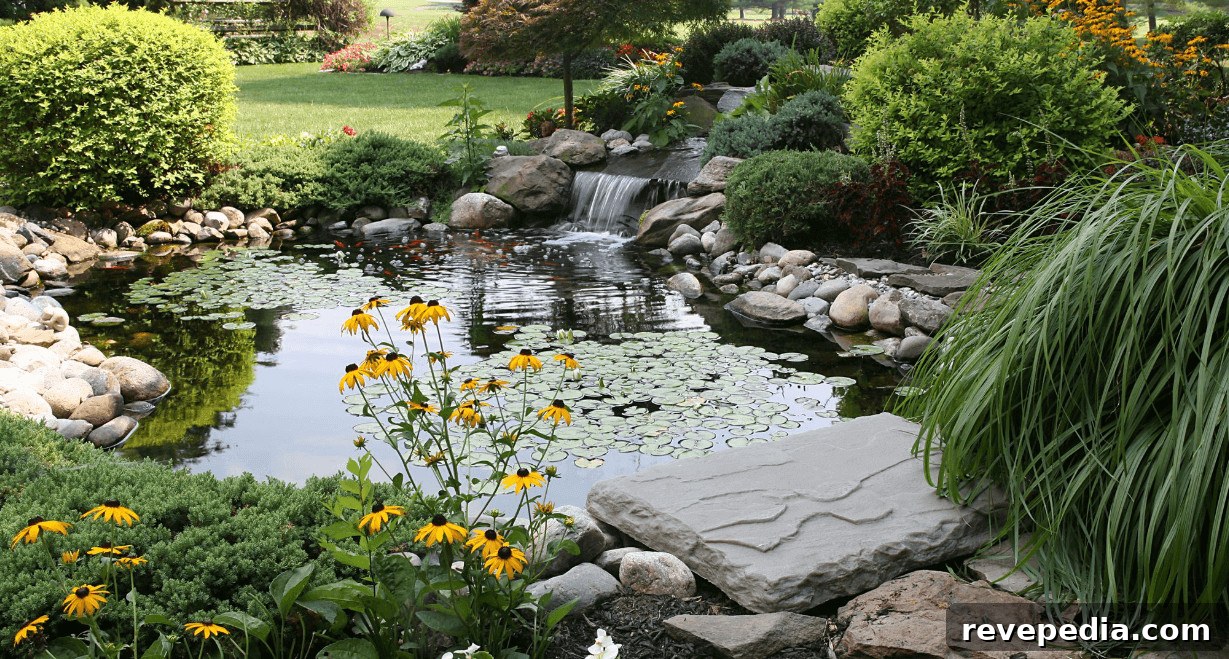
Britons take great pride in gardening. With nearly half the population calling gardening a favourite pastime, many homes feature manicured lawns, vibrant flower beds and well-trimmed hedges. Ponds of all sizes are also common, drawing wildlife, creating tranquil spaces and offering a calm retreat from daily life.
With almost 3 million garden ponds and around 500,000 seasonal, village and natural ponds across the country, effective water filtration is essential. Proper filtration preserves a healthy pond ecosystem by removing debris, breaking down fish waste and preventing algae blooms. Alongside correctly sized pumps to circulate water and maintain oxygen levels, a sealed pressurised pond filter keeps water clear and fish populations healthy by preventing stagnation and ammonia buildup.
The Basics of Pressurised Pond Filters
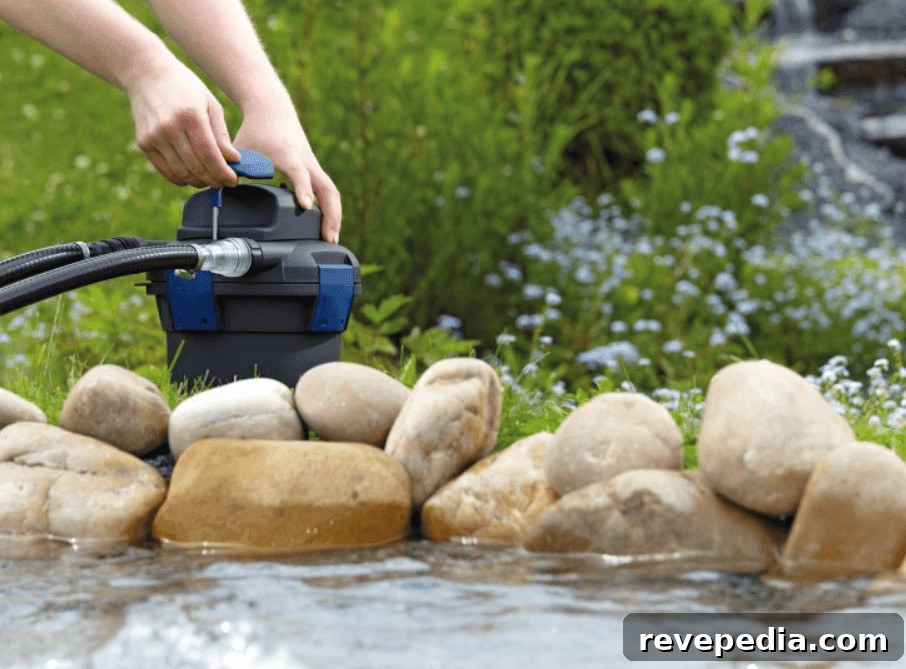
Pressurised pond filters are popular because they are compact, flexible in placement and capable of delivering excellent water clarity. They are commonly used for small to medium-sized garden ponds and moderately stocked fish ponds.
The sealed design and ability to push water uphill make these filters ideal for ponds with streams, rockwork or cascading waterfalls. Because they can maintain pressure without needing additional pumps, pressurised filters can be partially buried or tucked out of sight, improving the pond’s appearance and blending with garden aesthetics.
How It Works
Despite their compact housings, pressurised filters contain multiple filtration stages that clean water as it passes through. Water is pushed from the pump into the sealed filter chamber under pressure, then flows through different filter media. Key stages include:
- Mechanical filtration: Physically removes solid waste, such as fish waste, algae, leaves, twigs and uneaten food. Water passes through layers of coarse and fine foam pads that trap debris. These pads prevent algae buildup and poor water quality but need regular cleaning to avoid clogging.
- Biological filtration: After solids are removed, biological media such as bio-balls or ceramic rings provide large surface areas for beneficial bacteria to colonise. These bacteria convert toxic ammonia from fish waste and decaying matter into nitrite, then into less harmful nitrate, which plants use as a nutrient and which helps maintain oxygen balance.
- UV clarifiers (UVC): Many pressurised filters incorporate a UV clarifier—an ultraviolet lamp that neutralises single-celled algae. The UV light causes microscopic algae to clump together so they can be captured by the mechanical filtration stage, improving water clarity.
Key Features and Benefits
Pressurised Operation and Flexible Installation
The sealed, pressurised design enables raised returns and waterfalls while maintaining consistent flow and pressure. This promotes aeration, supports beneficial bacteria within the filter media and reduces foul odours from stagnant zones. The compact units can be hidden, allowing creative water features without compromising garden design.
No Gravity Overflows
Unlike open gravity box filters, pressurised filters reduce the risk of water spilling from the system if the media becomes clogged. This prevents sudden water loss, helps avoid pond flooding and keeps surrounding landscaping dry and intact.
Simple Cleaning and Maintenance
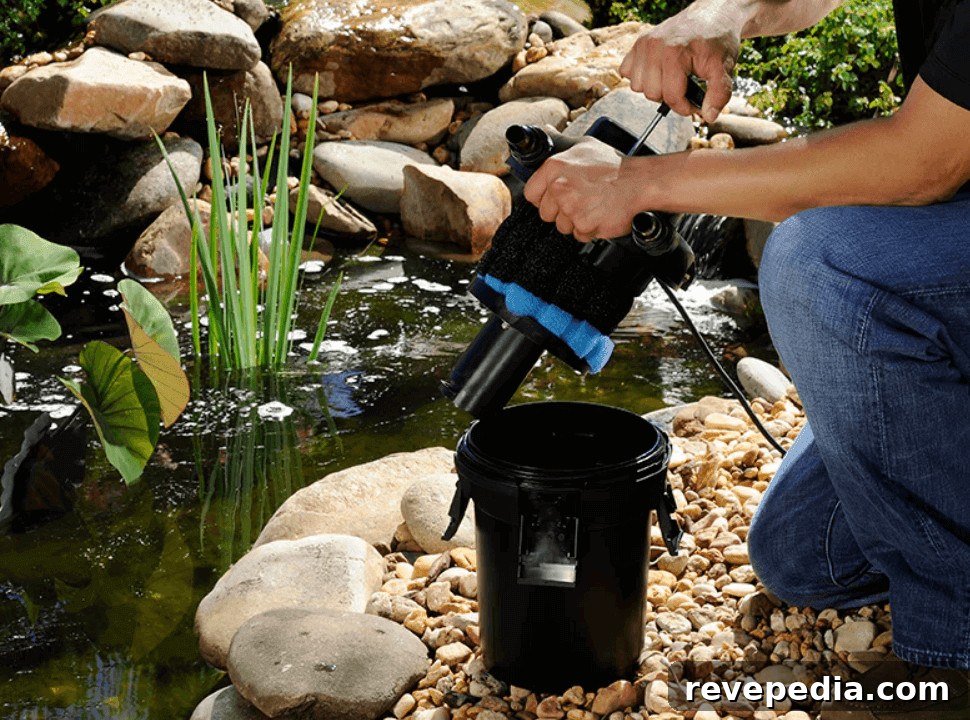
Many modern models include features that make cleaning straightforward, such as pull-out handles, multi-directional valves to compress internal foam pads or quick-release lids and metal clamps for fast access. These conveniences allow routine maintenance without fully dismantling the unit.
Combining multi-stage mechanical and biological filtration with UV sterilisation keeps pond water clear and healthy. For smaller garden ponds, a compact pressurised filter often makes more sense than larger gravity-fed boxes, offering strong filtration while remaining discreet. When matched with the right pump, these filters are also capable of handling more demanding setups, including moderately stocked koi ponds.
Choosing the Right Pressurised Pond Filter
Selecting the right pressurised filter depends on several factors: pond volume, fish load, landscaping features, pump capacity and preferred maintenance routine. Consider each when choosing a unit.
Pond volume is determined by length, width and depth when full. Pressurised filters are well suited to small and medium ponds and deliver consistent filtration when sized appropriately.
Manufacturer claims can be optimistic and often refer to empty ponds without fish, so it’s prudent to upsize the filter if you expect heavy stocking, high sunlight exposure or frequent debris to avoid murky water and excess algae. As a rule of thumb, filters rated for 10,000-litre ornamental ponds are typically sufficient for about 5,000 litres of goldfish or roughly 2,500 litres of koi, but increase capacity if the pond receives direct sun since algae growth accelerates in sunlight.
Matching the filter to the pump is critical for effective circulation and filtration. A pump that is too powerful can reduce filter efficiency, damage seals, or cause overflow into other features; a pump that is too weak can create dead zones with poor oxygenation. Aim for a turnover rate that cycles the entire pond volume every 1 to 2 hours during normal operation. If your pond includes waterfalls or raised returns, check the filter’s maximum pressure rating to ensure it can handle the head height.
To simplify installation, consider buying a matched filter-and-pump kit that takes the guesswork out of compatibility. Also evaluate maintenance features: choose appropriate-sized UV bulbs, look for electric or manual backwash options, and pick units with easy-access lids. During peak season, perform regular light cleaning weekly, deep clean filters at least twice a year, replace UV bulbs every six months and renew filter media approximately every two years for optimal performance.