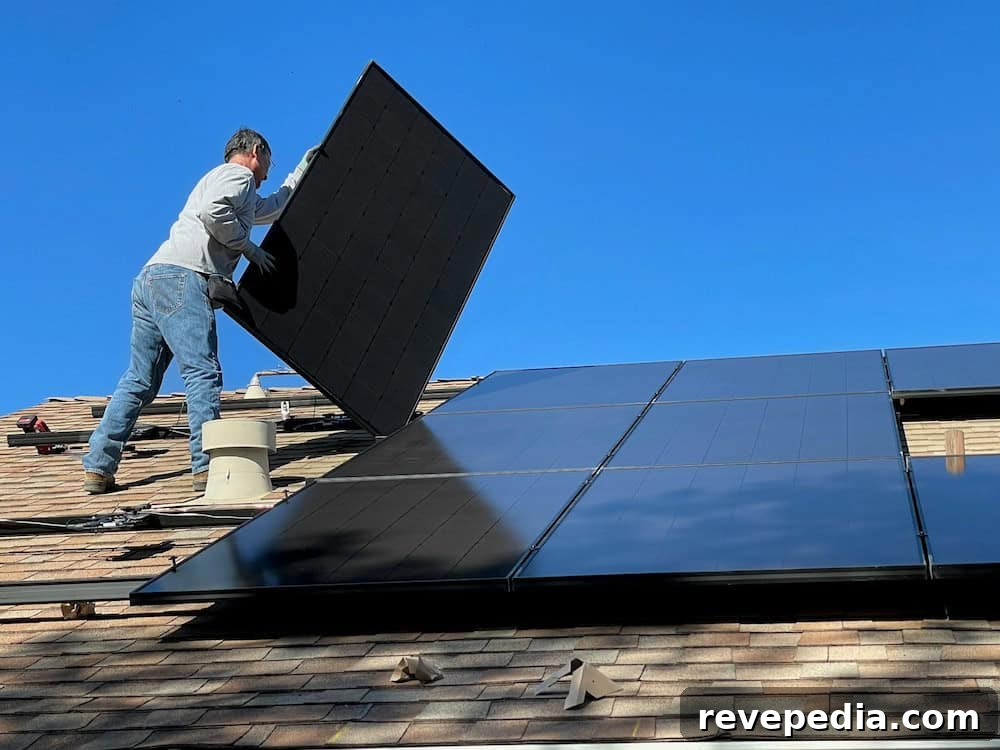
Installing a solar panel system at home is an excellent way to capture the sun’s energy, reduce dependence on conventional power sources, and lower electricity costs over time.
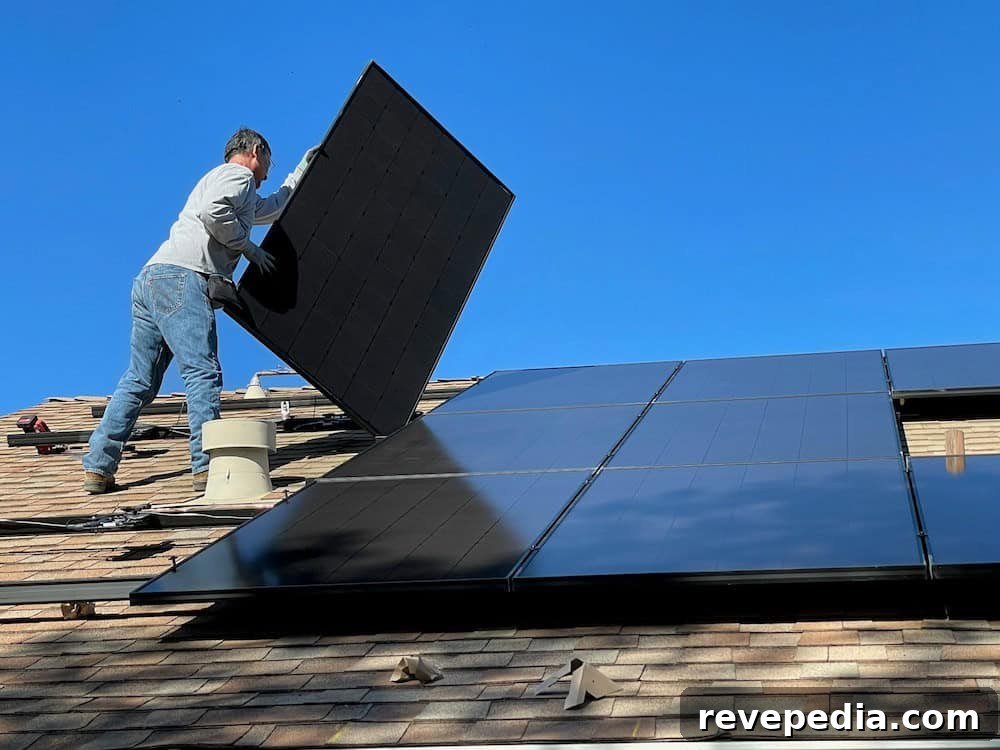
This guide walks you through the essential steps for planning and installing a residential solar panel system. From basic principles to component selection and the installation sequence, you’ll find practical, clear guidance to help you move forward with confidence.
Understanding Solar Panel Systems
Solar electricity systems convert sunlight into usable power using photovoltaic (PV) technology. When sunlight strikes PV cells within the panels, it generates direct current (DC) electricity. An inverter converts that DC into alternating current (AC) for household use. Properly sized and installed systems can offset a large portion of a home’s electricity consumption.
Solar energy is abundant: in an hour the sun delivers more energy to Earth’s surface than humanity consumes in a year. That abundance makes solar a reliable option for clean, renewable energy that reduces greenhouse gas emissions and reliance on fossil fuels.
The Basics of Solar Energy
Solar power is a clean, renewable resource that produces no direct greenhouse gas emissions during operation. Solar systems typically last 25–30 years with minimal routine maintenance, offering a durable, long-term investment that lowers lifetime energy costs and reduces electronic waste from frequent replacements.
Components of a Solar Panel System
A typical residential solar system includes: the solar panels (PV modules), an inverter to convert DC to AC, and a racking or mounting system to secure panels to the roof or ground. Many systems also include monitoring equipment to track energy production and system health in real time.
Monitoring helps homeowners optimize energy use, detect issues early, and maximize system performance and return on investment.
Evaluating Your Home for Solar Panel Installation
Before installation, evaluate your home’s solar potential and determine the appropriate system size. A proper assessment ensures efficient energy production and an accurate estimate of costs and savings.
Using solar power significantly reduces carbon footprint and supports long-term sustainability. Panels convert sunlight into electricity without air or water pollution, helping mitigate climate change while delivering economic benefits.
Assessing Your Home’s Solar Potential
Key factors to assess include roof orientation, pitch, shading, and available mounting area. South-facing roofs with minimal shading are ideal in the Northern Hemisphere; in the Southern Hemisphere, north-facing roofs perform best. Evaluate nearby trees, chimneys, or buildings that might cast shadows and consider seasonal variations in sun angle.
Climate and local weather patterns matter: regions with more sunlight and clearer skies typically yield higher energy production. When planning, consider average daily sun hours, cloud cover, and seasonal sunlight changes to estimate realistic output.
Determining the Right Size for Your Solar System
System size depends on your household’s current and projected energy needs and available installation area. Review past electricity bills to determine average consumption, then work with an installer or use sizing tools to match panel output to your needs. If you anticipate future increases in demand—such as adding an electric vehicle, heat pump, or expanding the home—plan for a larger system or design space for future expansion.
Choosing the Right Solar Panels and Inverter
Selecting quality panels and an appropriate inverter is critical for system efficiency and longevity. Consider your budget, space constraints, aesthetic preferences, and performance goals when choosing components.
Types of Solar Panels
Common panel types include monocrystalline, polycrystalline, and thin-film. Monocrystalline panels offer high efficiency and a compact footprint, often preferred for limited roof space. Polycrystalline panels are generally less expensive with slightly lower efficiency. Thin-film panels are lightweight and flexible, useful for unique applications, though typically less efficient and more space-consuming. Balance efficiency, durability, warranty, and cost to select the best option for your situation.
Selecting a Suitable Inverter
Inverters come in several forms: string inverters, microinverters, and power optimizers. String inverters are cost-effective for uniform panel performance. Microinverters or power optimizers are beneficial when panels may face shading or different orientations, as they optimize output per panel. Choose an inverter with strong efficiency ratings, reliable warranty coverage, and compatibility with your chosen panels and system design.
Planning the Installation Process
Thorough planning ensures safety, compliance, and an efficient installation. Confirm local permit requirements, utility interconnection rules, and any homeowner association restrictions before beginning work.
Safety Measures to Consider
Solar installation involves working at heights and with electricity. Use appropriate fall protection, protective gear, and follow electrical safety practices. For most homeowners, hiring licensed, experienced installers and electricians reduces risk and ensures code compliance.
Tools Needed for Installation
Typical tools include a drill, impact driver, wrenches, screwdrivers, wire cutters/strippers, conduit benders, multimeter, and a stable ladder or scaffolding. Installers also use specialized mounting hardware and cable management components. Having the correct tools and safety equipment on hand makes the process smoother and safer.
Step-by-Step Guide to Solar Panel Installation
The basic installation sequence consists of mounting the racking, securing panels, installing the inverter and electrical components, and connecting the system to your home and the grid. Each step should follow manufacturer guidelines and local electrical codes.
Mounting the Solar Panels
Begin by installing the racking or mounting system onto the roof or ground-mounted structure. Ensure proper flashing and waterproofing where roof penetrations occur. Secure the panels to the racking according to manufacturer specifications, verifying tilt and alignment to maximize exposure to sunlight.
Installing the Inverter
Install the inverter in a well-ventilated, accessible location protected from direct sun and extreme temperatures. Follow manufacturer instructions for mounting and wiring. For systems using microinverters or optimizers, install those devices at the panel level as directed.
Connecting the System to Your Home’s Power Supply
Complete wiring from the panels to the inverter and from the inverter to your electrical panel. Proper grounding and surge protection are essential. This step typically requires a licensed electrician to ensure safe connections and compliance with local electrical codes and utility interconnection requirements. After installation, obtain necessary inspections and approvals before commissioning the system.
By following these steps and working with qualified professionals when needed, you can install a durable, efficient solar system that reduces your energy costs and environmental impact. With the right planning, quality components, and proper installation, your home can benefit from clean, reliable solar energy for decades.