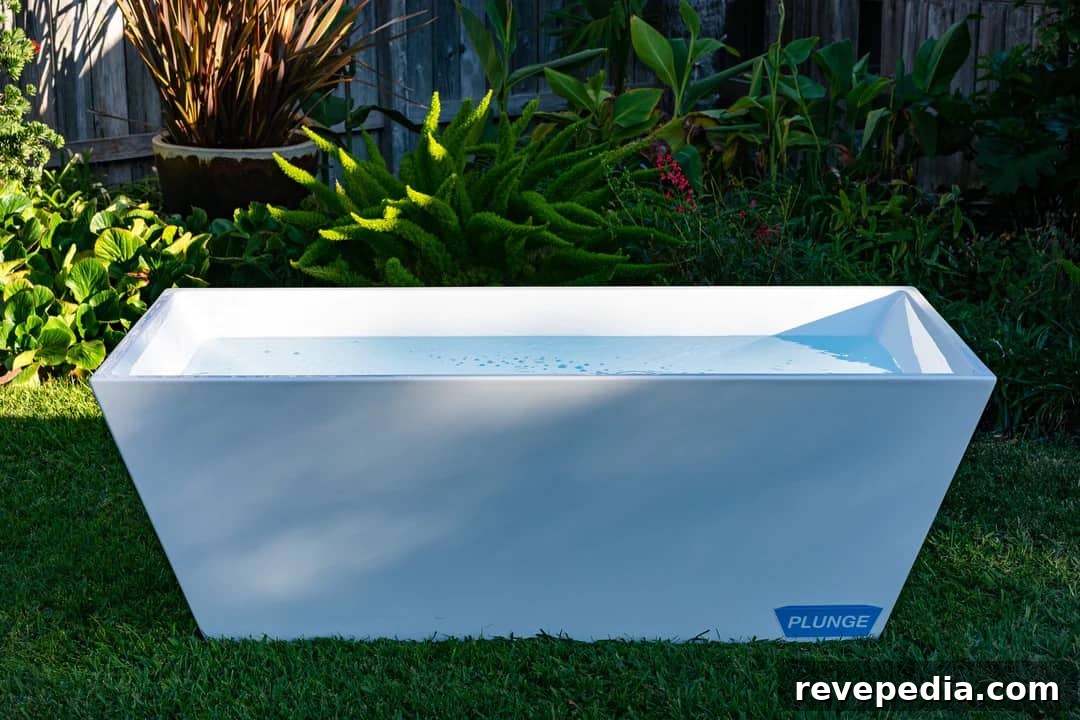
At first glance, plunging your body into cold water might not seem like an appealing way to boost your health. Yet cold plunges have grown in popularity for good reason—many people report tangible benefits for both body and mind. Below is a clear, practical overview of what cold plunges are, how they work, and how you can safely add them to your routine.

What Is a Cold Plunge?
A cold plunge is a type of hydrotherapy that involves briefly immersing the body in cold water, usually at or below about 50°F (10°C). Sessions vary by tolerance and goal: some people stay in for just a minute or two, while others use several minutes under careful supervision. Cold plunges can be done in natural settings—lakes, rivers, or ocean—or in purpose-built cold plunge pools and tubs.
Cold water immersion has deep roots in many cultures. From Scandinavian ice swimming to other traditional practices around the world, cold immersion has been used historically for recovery, ritual, and wellbeing. Recently it has gained mainstream interest for its potential physical and mental health benefits.
If you enjoy warm-water therapy, a cold plunge can provide complementary effects—stimulating circulation and recovery in different ways than heat-based treatments.
Benefits of Cold Plunges
Cold plunges offer several well-documented and anecdotal benefits. The most commonly reported advantages include:
Reduced inflammation
Cold water exposure helps reduce inflammation by causing blood vessels to constrict and slowing blood flow to inflamed areas. This vasoconstriction can lessen swelling and pain and can support recovery after injury or intense exercise. Because chronic inflammation contributes to conditions such as arthritis and cardiovascular disease, reducing inflammatory activity is a meaningful health benefit.
Improved circulation
Cold immersion triggers a circulatory response: vessels constrict in the extremities and then dilate when you warm up, which can enhance blood flow efficiency. Improved circulation supports oxygen and nutrient delivery throughout the body, benefiting cardiovascular health and physical performance.
Reduced muscle soreness and faster recovery
Athletes often use cold plunges to lessen delayed-onset muscle soreness (DOMS). Cold exposure reduces muscle inflammation and can decrease pain and stiffness after strenuous workouts, helping you recover faster and return to training sooner.
Increased energy and alertness
Cold water stimulates the release of adrenaline and other activating hormones, producing a brisk boost in energy and mental clarity. Many people report feeling more focused and uplifted immediately after a cold plunge, which can help with mood and daytime productivity.
Support for immune function
Evidence suggests cold exposure can stimulate certain immune responses, including an increase in circulating white blood cells. While this is not a cure-all, regular moderate cold exposure may help strengthen the body’s defenses against common infections.
How to Incorporate Cold Plunges Safely
If you want to try cold plunges, proceed gradually and mindfully. Cold immersion is not appropriate for everyone—people with cardiovascular disease, uncontrolled hypertension, or certain other medical conditions should seek medical advice before starting. Follow these sensible steps when beginning:
Start slowly: Begin with short exposures—dipping hands or feet, then progressing to partial body immersion before attempting full submersion. Keep sessions brief at first and increase duration only as you become comfortable. Monitor how you feel during and after each session; if you experience dizziness, numbness, or chest pain, stop and seek medical help.
Keep safety measures in place: Use a buddy or supervision for initial sessions, avoid alcohol before plunging, and ensure you have warm clothing and a warm environment to reheat safely afterward to prevent hypothermia.
Practical ways to add cold plunges to your routine:
- Cold showers: Finish a regular shower with 30 seconds to a few minutes of cold water, gradually increasing duration as you adapt.
- Post-workout plunge: If you have access to a cold pool or tub, a short plunge after training can reduce soreness and speed recovery.
- DIY cold tub: Fill a bathtub with cold water and ice for a controlled home plunge. Begin with feet or lower legs, then work toward fuller immersion over time.
Cold plunges aren’t suitable for everyone, but for many people they offer a practical, low-cost tool for reducing inflammation, improving recovery, sharpening alertness, and supporting immune function. Always consult your healthcare provider if you have underlying health issues or concerns before starting a cold plunge practice.
When introduced carefully and used consistently, cold-water immersion can be a powerful addition to a holistic health routine. Try short, safe sessions and pay attention to how your body responds—many people find the results well worth the initial discomfort.