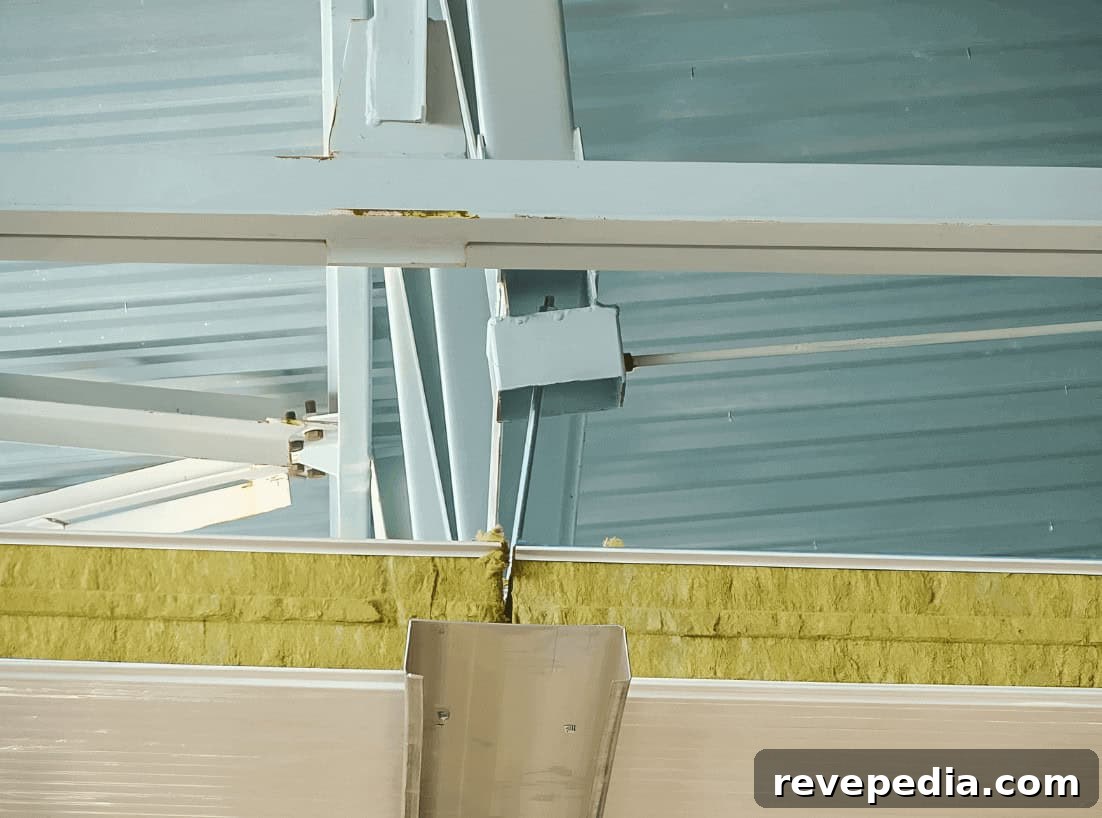
Metal buildings offer strength, quick construction, and long-term durability. Yet their main drawback is that metal transfers heat very easily.
Because steel conducts heat rapidly, an uninsulated metal garage, workshop, barn, or commercial structure can become sweltering in summer and freezing in winter. Proper insulation is essential to maintain a comfortable, energy-efficient interior.
Adding more insulation isn’t always the right solution. The most effective approach is choosing insulation and an installation method that work with the way metal buildings are built.
When designed and installed correctly, a proper insulation system lowers energy bills, reduces condensation and corrosion risks, and improves year-round comfort.
Why Metal Buildings Need a Different Insulation Approach
Metal buildings differ from wood-framed structures. They use steel framing, wide roof panels, exposed fasteners, and often open interiors. These characteristics create two frequent issues: thermal bridging and condensation.
Thermal Bridging Undermines Insulation
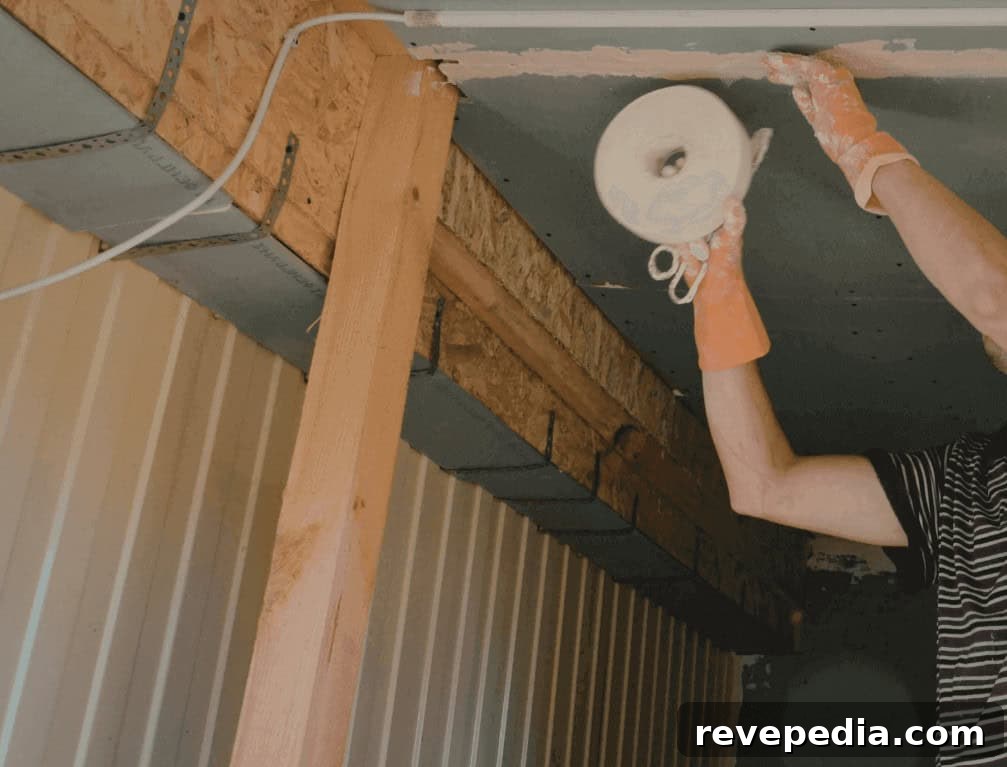
Steel framing lets heat pass directly through walls and roofs. Insulation placed only between framing members can be bypassed by heat traveling through metal components.
This lowers the structure’s effective R-value: the installed system delivers less thermal resistance than the insulation’s label suggests because heat bypasses the insulation through metal paths.
Effective metal-building insulation systems reduce these pathways with continuous insulation layers or liner systems that limit direct metal-to-metal heat transfer.
Condensation Is More Than a Nuisance
Condensation is a common problem in metal buildings, especially in garages, workshops, barns, and storage facilities.
When warm interior air contacts cold metal roof or wall panels, water droplets form. Over time, condensation can:
- Cause rust and corrosion
- Soak and degrade insulation
- Damage stored items
- Create mold and indoor air quality problems
Preventing condensation requires good air sealing and correct vapor retarder placement based on the building’s climate and use.
What “High-Quality” Insulation Really Means
High-quality insulation isn’t just a high R-value on a label. It’s how the entire installed system performs in the real building.
Think About the Whole System
A thick layer of insulation won’t deliver expected results if it’s compressed, poorly sealed, or installed with gaps.
Prefer systems that provide:
- Continuous coverage with minimal gaps
- Careful sealing at seams and penetrations
- Compatibility with roof and wall panel profiles
- Durability to tolerate temperature swings and building movement
Metal buildings expand and contract. Insulation and facings should accommodate movement without tearing, separating, or compressing the insulating material.
Choose Products Designed for Metal Buildings
Metal buildings include unique details such as:
- Eaves and ridge caps
- Purlins and girts
- Large overhead doors
- Skylights and roof penetrations
Insulation systems designed for commercial metal buildings account for these features by offering matching facings, secure attachment methods, and compatible sealing components that work together as a complete system.
Reviewing purpose-built metal building insulation systems helps clarify what a full solution includes: insulation material, facing, attachment method, and compatible tapes and sealants.
Common Insulation Types for Metal Buildings
No single insulation material is optimal for every metal building. The right choice depends on climate, budget, and intended use.
Fiberglass Systems
Fiberglass is a cost-effective option available in large rolls that suit long roof spans. It performs well when installed uncompressed and when seams and facings are properly sealed to prevent air leaks and condensation.
When detailed correctly, fiberglass systems work well in garages, workshops, and light commercial spaces.
Reflective Insulation
Reflective products help reduce radiant heat from a hot roof and perform best in hot, sunny climates with significant solar gain. However, reflective insulation should usually be part of a layered system that also controls conduction and air leakage when the space is conditioned.
Spray Foam
Spray foam offers excellent air sealing and thermal performance and can reduce condensation risk when applied correctly. It requires higher upfront cost and professional installation, but it can be a strong choice for complex rooflines or retrofit projects where thorough air sealing is needed.
Mineral Wool
Mineral wool provides good fire resistance and sound attenuation, making it valuable in workshops, mechanical rooms, or buildings requiring enhanced fire protection. As with other materials, careful detailing and proper installation are essential.
What to Confirm Before Ordering Insulation
Before ordering, verify that the insulation matches the building’s design and climate conditions. Use this checklist to guide decisions:
- Intended use: storage, workshop, retail, or living space?
- Will the interior be fully heated or cooled?
- Which climate zone applies to the building’s location?
- Does the building generate internal moisture from equipment, processes, or occupancy?
- What R-values are required for roof and walls?
- Where should a vapor retarder be located for your climate and usage?
- Are there large doors, skylights, or penetrations needing special sealing?
Answering these questions early avoids costly changes and improves final performance.
Installation Details Matter
Even the best insulation performs poorly if installation is rushed or incomplete.
Seal Gaps and Seams Carefully
Tiny gaps allow air movement through the building envelope; that air carries heat and moisture. Properly sealing seams, taping joints, and protecting facings are essential to maintain thermal and moisture control.
Minimize Thermal Bridges
Where possible, use continuous insulation layers and avoid unnecessary fasteners that create direct metal heat pathways. If continuous insulation cannot be used, focus on improving air sealing and preventing compression of the insulating material.
Coordinate With HVAC
Insulation and mechanical systems must be designed together. A well-insulated metal building may require smaller HVAC equipment, but that benefit only occurs when the insulation plan is finalized before the heating and cooling system is sized. Early coordination prevents comfort problems and oversized equipment.
The Takeaway
Choosing high-quality insulation for a metal building means selecting a complete system—not just a material. Match the system to the structure, climate, and intended use, and prioritize strategies that reduce thermal bridging, control condensation, and ensure careful installation.
With the right system and proper installation, metal garages, workshops, barns, and commercial facilities become more comfortable, more energy efficient, and more durable. Planning thoughtfully before ordering insulation is the best way to secure long-term comfort and performance.