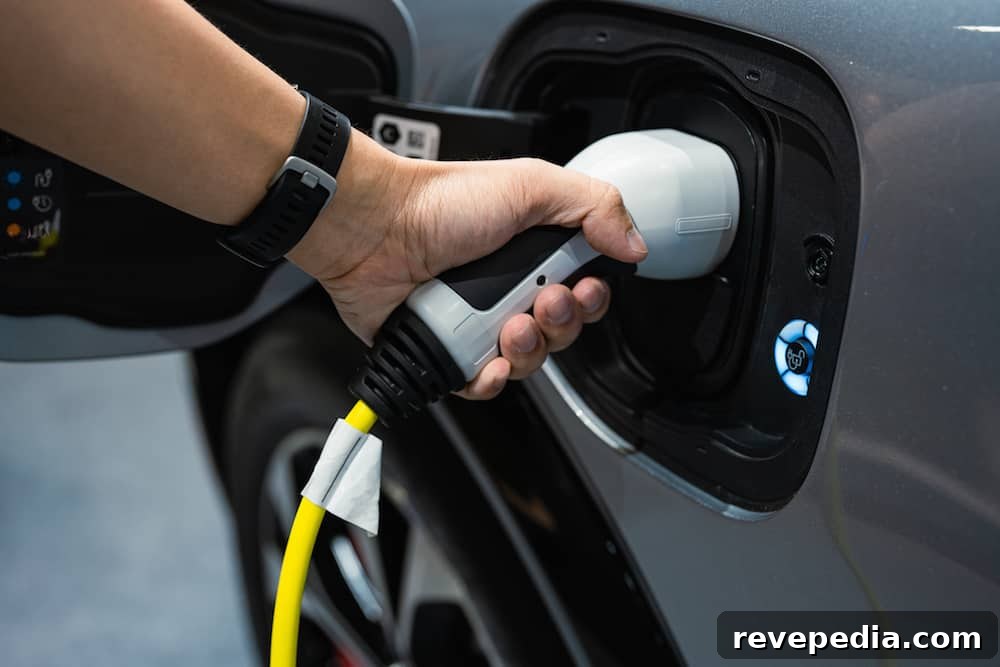
As electric vehicles (EVs) become more common, having a fast, reliable home charging solution matters more than ever. A dedicated home charger lets you recharge your EV conveniently overnight or whenever the vehicle is parked at home, reducing dependence on public charging stations and saving time.
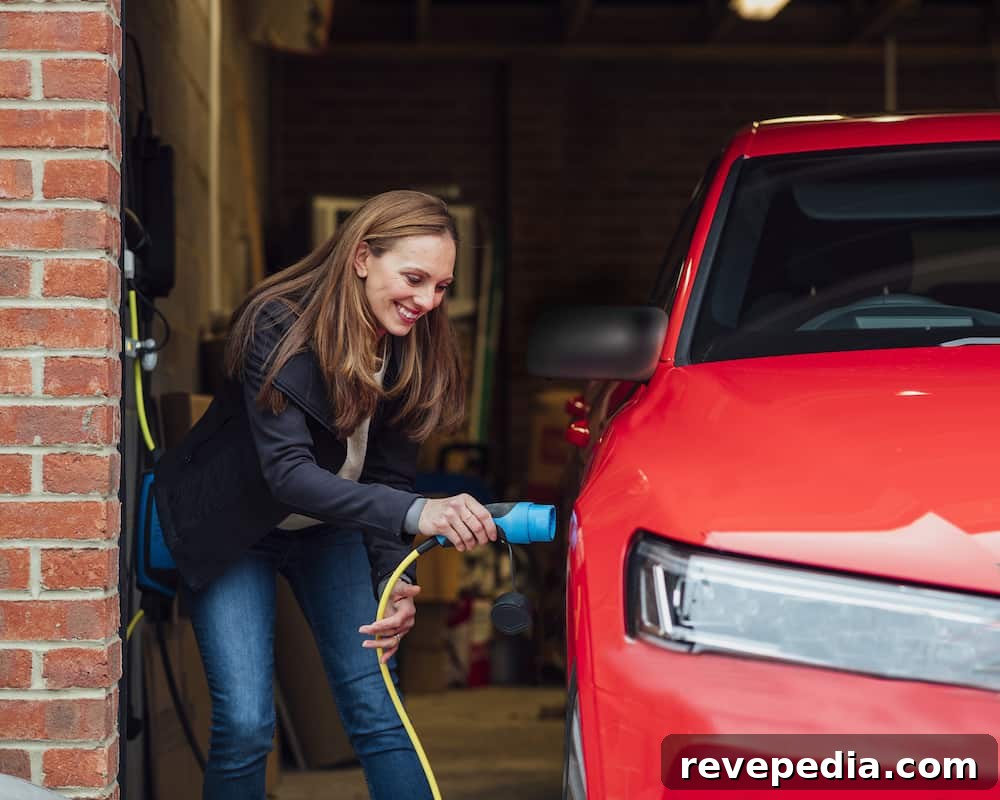
Installing a home charger can seem intimidating, but with proper planning and professional help it’s a manageable project. One key requirement for fast home charging is ensuring your electrical panel can support the additional load. In many cases that means an upgrade or adding dedicated circuits to handle a Level 2 charger safely and to code.
Get a Level 2 Charger
Choosing the right charger starts with understanding the two main home charging levels: Level 1 and Level 2. Level 1 uses a standard 120-volt household outlet and usually comes with the vehicle. It provides a slow charge—typically about 3 to 5 miles of range per hour—suitable for occasional use or when you drive low daily miles.
Level 2 chargers run on a 240-volt circuit and deliver much faster charging, commonly adding around 20 to 30 miles of range per hour depending on the vehicle and charger. For most EV owners who want practical daily charging, a Level 2 charger is the preferred option. Keep in mind, however, that installing a Level 2 unit is more involved: it generally requires a dedicated circuit, possible panel upgrades, and professional installation, which can raise upfront costs. Some local jurisdictions also require permits for installation.
Before installation, a qualified electrician should evaluate your home’s electrical panel. Upgrades might include increasing panel amperage or adding new breakers and wiring to safely accommodate the charger. This is not a DIY job—an electrician will ensure the work meets safety standards and local electrical code requirements.
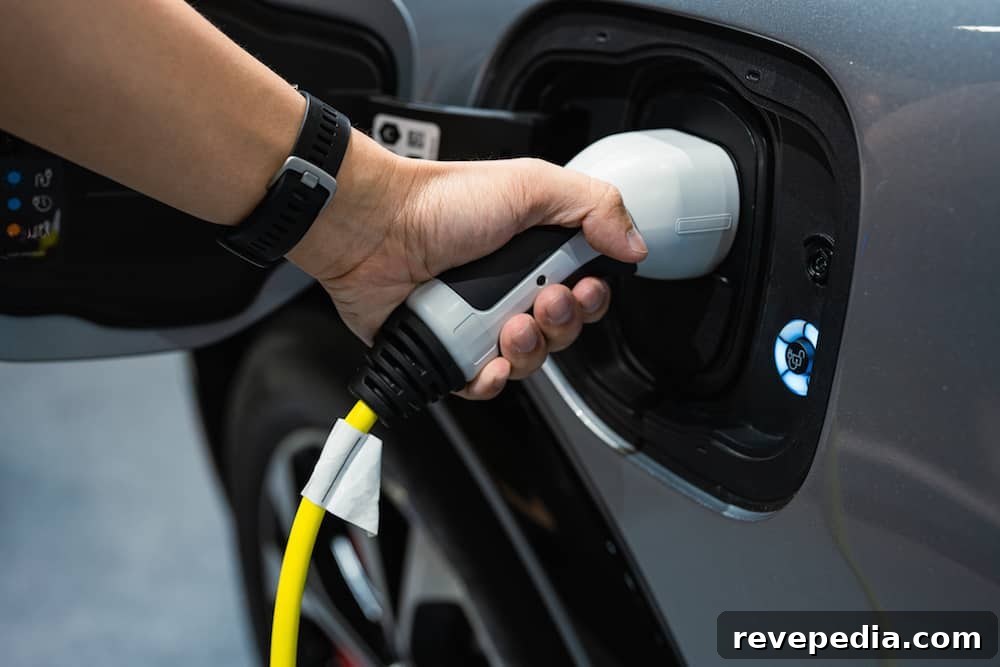
How to Choose an EV Charging Station
With the electrical infrastructure ready, choose a charging station that matches your needs and budget. The market offers many reliable Level 2 home chargers from reputable manufacturers. When evaluating options, consider compatibility with your EV, charging power (measured in kW), cable length and connector type, and build quality for outdoor installation if required.
Features vary across models. WiFi-enabled chargers let you monitor and schedule charging from a smartphone app, which can help take advantage of off-peak electricity rates. Some units include an integrated display that shows charging status and estimated time remaining. If you have more than one EV, look for solutions that support multiple vehicles or consider adding a second dedicated charger.
Installing a Home EV Charging Station
Once you select a charging station, installation should follow the manufacturer’s instructions and local electrical codes. Many chargers are designed for relatively straightforward installation, but hiring a licensed electrician is recommended unless you have the proper qualifications. A professional will handle wiring, permit requirements, and any necessary panel upgrades, ensuring a safe and code-compliant setup.
After installation, thoroughly test the charging station. Verify that it powers up correctly, the cable and connector fit securely, and the unit is properly grounded. Perform a charging test with your EV to confirm compatibility and charging speed. If the charger supports app-based controls or scheduling, set up and test those features so you can monitor status and adjust settings remotely.
A properly installed home Level 2 charger transforms daily EV ownership by delivering fast, convenient charging at home. With the right equipment and a professional electrician to ensure safe installation and any needed panel upgrades, you’ll enjoy reliable charging, lower fueling costs, and greater flexibility in how and when you recharge your vehicle.