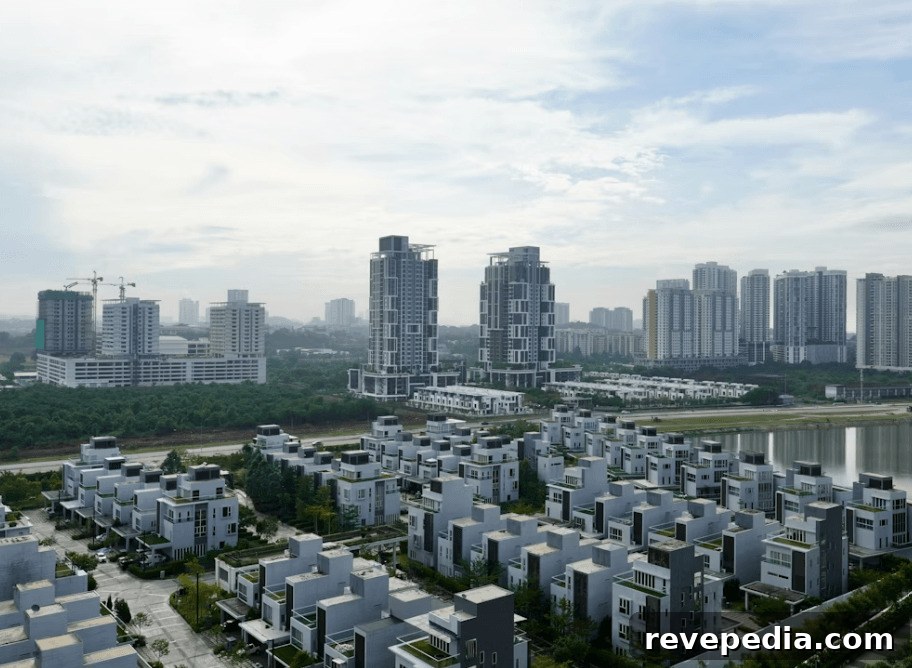
Peace at home begins with the basics: clean rooms, quiet corners, and air that feels fresh the moment you step inside. For homes near busy roads, achieving that fresh-air feeling takes planning. Recent data show that a large share of Americans live in urban areas, meaning many of us spend daily life close to traffic, road dust, and construction noise and emissions.
When your home is close to busy streets, outdoor pollution easily finds its way indoors, affecting bedrooms, kitchens, and living areas. The American Lung Association reports that nearly half of Americans are exposed to unhealthy levels of polluted air each day, underlining how common this issue is.
This article outlines practical, easy-to-apply steps to reduce outdoor pollution indoors, helping your home feel cleaner, healthier, and more comfortable.

How Pollution Near Busy Roads Can Harm Your Health Over Time
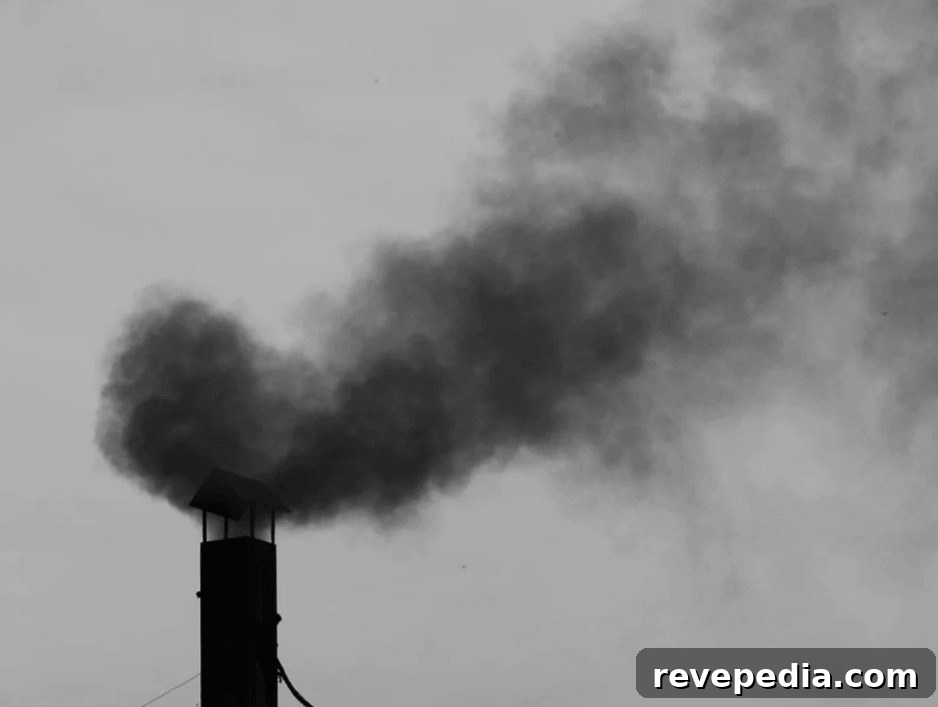
Living near high-traffic roads affects more than comfort; it can harm health. The EPA links pollution from roadways to respiratory problems, cardiovascular disease, and increased mortality risk. Diesel exhaust is especially concerning—recognized as carcinogenic by major health organizations.
Communities located near rail yards or heavy freight activity face additional exposure to diesel particles. Recent legal cases involving former railroad workers who developed serious illnesses have highlighted the risks of long-term exposure to exhaust and other toxic emissions. People living near rail operations can experience similar exposures that extend beyond workplace environments.
The closer your home is to heavy vehicle activity, the more important it becomes to take practical steps to protect indoor air. The following sections walk through straightforward measures you can use to reduce pollution in your living spaces.
Tips to Improve Indoor Air Quality Near High-traffic Areas
Traffic pollution doesn’t stay outside for long. Fine particles enter through doors, windows, vents, and small gaps, then hang in the air or settle on carpets, upholstery, and other surfaces. The good news: a few targeted changes can significantly lower indoor concentrations of these pollutants and make your home more comfortable.
Improve Air Filtration
Start with filtration. Traffic pollution contains fine particulate matter that easily slips indoors and remains airborne. Indoor PM levels are often higher near busy roads, so upgrading furnace and HVAC filters to higher-efficiency models reduces the particles circulating indoors.
Portable air purifiers are also effective at lowering levels of PM2.5, PM10, carbon dioxide, and many volatile organic compounds. Place them in the rooms you and your family use most—typically bedrooms and living rooms—so they continuously reduce exposure where people spend the most time breathing the same indoor air.
Seal the Small Openings That Let Pollution In
Filtration works best when outdoor polluted air isn’t constantly entering the house. Small cracks and gaps around windows, doors, attic hatches, exhaust vents, and duct joints can pull in exhaust and road dust without obvious drafts.
Weather stripping, caulk, and duct sealing can markedly reduce how much outdoor pollution gets inside. Reducing infiltration makes filters and air cleaners more effective and lowers the workload on HVAC systems—one of the simplest, most cost-effective ways to improve indoor air stability.
Cut Down on Dust and Residue at the Door
Much outdoor residue first arrives at the entryway. Create a simple routine to leave shoes, coats, and bags in one place instead of tracking particles through the house. Use a washable doormat outside and a second mat inside to trap dirt before it spreads.
If you live near constant traffic, increase the frequency of vacuuming rugs and upholstered furniture to remove settled particles. Research shows that traffic-related pollutants can accumulate in household dust; reducing that dust lowers how much outdoor exposure keeps circulating indoors.
Be Selective About When You Open the Windows
Opening windows can refresh a home, but timing matters near busy roads. When outdoor air is heavy with traffic pollution, open windows let fine particles drift in and settle. Check local air quality or observe outdoor conditions, and open windows when air is cleaner—such as times of lower traffic or after rain.
When traffic is heavy or visibility is hazy, keep windows closed and use HVAC recirculation if available. This small habit helps keep indoor air cleaner over time without sacrificing the comfort of fresh air when conditions allow.
A Cleaner Home Starts With Consistent Effort
Traffic, dust, and outdoor pollution may be part of your surroundings, but they don’t have to define your home’s indoor environment. Small, practical habits—better filtration, sealing gaps, doorstep routines, and smart window use—add up to noticeably fresher air and a more comfortable living space.
Even one or two changes can make the indoor air feel fresher and healthier over weeks and months. Keep measures simple, stay consistent, and allow each step time to make a difference. The goal is a home that feels cleaner and more calming—a place you can come back to and breathe easier.