
Welcome to the Window Wisdom series, sponsored by Marvin Windows and Doors. This window buying guide will help you make informed decisions when replacing or upgrading windows. If you completed the window audit from last week, you should already have a clear idea of the condition of your existing windows and whether repair or replacement is the better choice.
Replacing windows is a significant decision, and whenever possible you should attempt to repair existing units to save money and preserve character. Still, due to age, weather damage, neglect, or remodeling, many homeowners will eventually need to replace one or more windows.
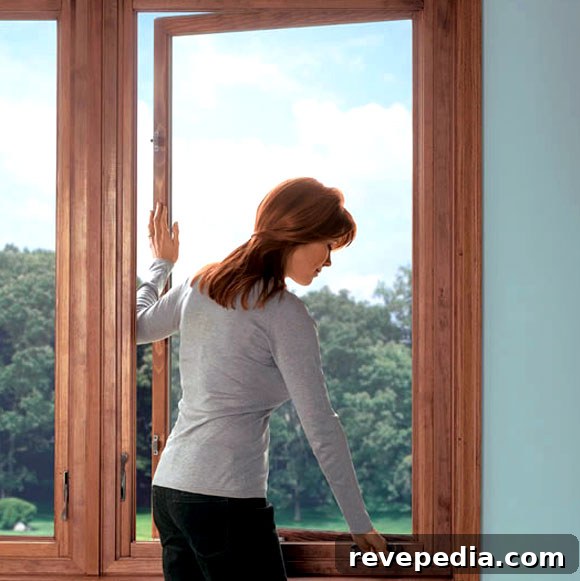
This guide explains how to “window shop” effectively. It will help you define your needs, aesthetics, budget, and desired functionality so you choose the right windows without overspending.
Window Materials
Wood frames are an excellent choice for remodels, blending naturally with older homes and matching existing trim and brick moldings. Wood lends a classic, warm appearance and is often the preferred or only authentic choice for historic homes. Replacement sashes are available that can improve the performance of existing wood windows.
Clad-frame windows have an exterior shell of aluminum or vinyl and are commonly used in new construction. These units attach with nailing flanges that fit beneath siding. Clad quality varies: it can range from thin roll-formed aluminum to more durable extruded aluminum. Know the type and quality of the clad material before buying.
Vinyl-clad windows come in many colors, don’t require painting, and generally need less maintenance than wood. Fiberglass composite windows are another option—stronger than vinyl and typically a bit more expensive, but durable and stable in varying climates.
Picking Your Glass
Choose glass based on climate, energy goals, and the window’s location.
Single-pane glass is generally outdated except for mild climates or outbuildings. Double-pane glass with a sealed air space between the panes reduces heat transfer and is standard for most homes. Enhanced options include low-E coatings—an almost invisible metallic coating that reduces heat gain and loss—and inert gas fills (argon or krypton) between panes to boost insulation.
In colder climates, consider triple-pane windows with multiple sealed layers and gas fills for higher R-values and improved thermal performance. In hot climates, double-glazed tinted glass helps reduce solar heat gain. Tempered glass is stronger and safer for large picture windows, patio doors, and other high-impact areas.
Energy-Efficient Windows
Window energy performance is often expressed as R-value; higher R-values indicate better insulation. High-quality windows can reach R-values around 4.0, depending on glass configuration and frame materials. Low-E coatings and appropriate gas fills help protect interior surfaces—such as upholstery, drapery, and carpets—by blocking harmful UV and infrared radiation, while improving overall thermal performance.
Window Styles
Below are common window styles and their main benefits. Images are courtesy of Marvin Windows & Doors.
Casement Windows
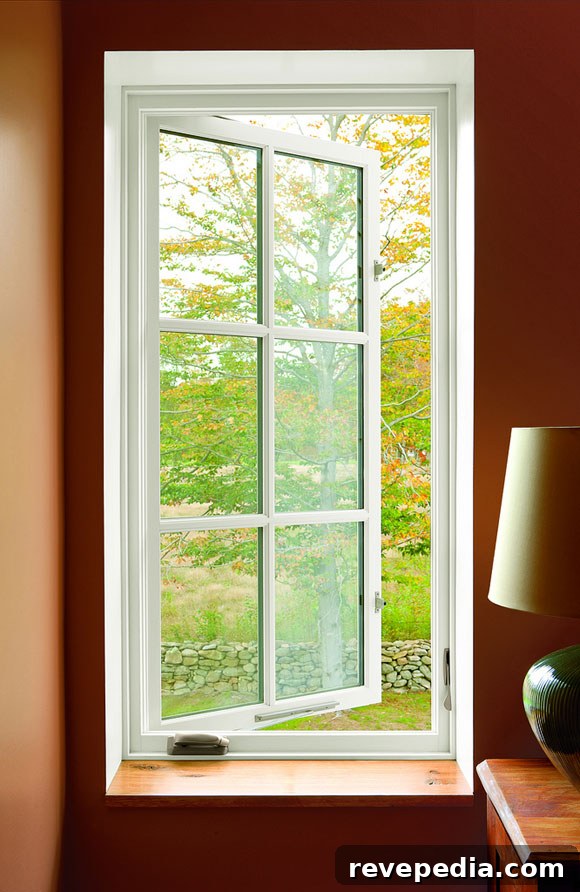
Casement windows hinge at the side and swing outward like a door. They are available in many sizes and can be grouped in multi-window units. They deliver unobstructed views, a modern appearance, and excellent ventilation.
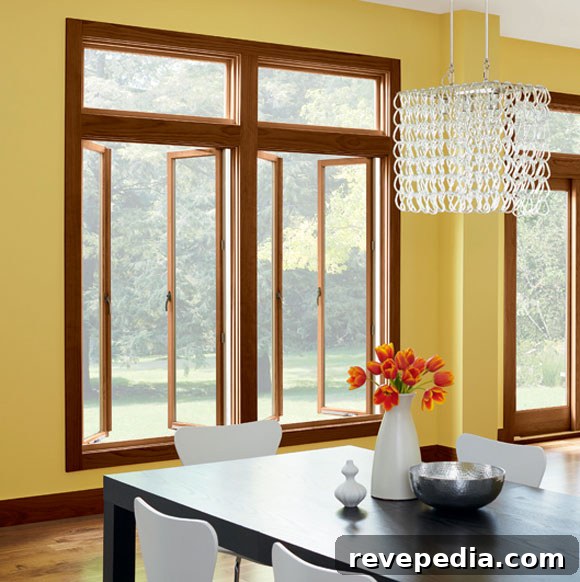
French-style casements offer similar benefits with added elegance and broad sightlines.
Double-hung Windows
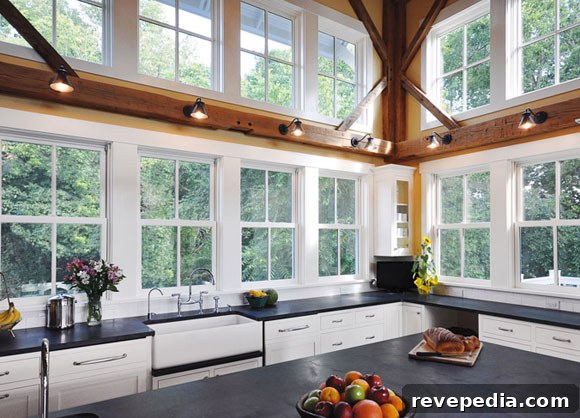
Double-hung windows have two sashes that slide vertically. They offer a traditional look and modern versions use spring-balanced mechanisms rather than old counterweights, making them easier to operate and maintain.
Sliding (Glider) Windows
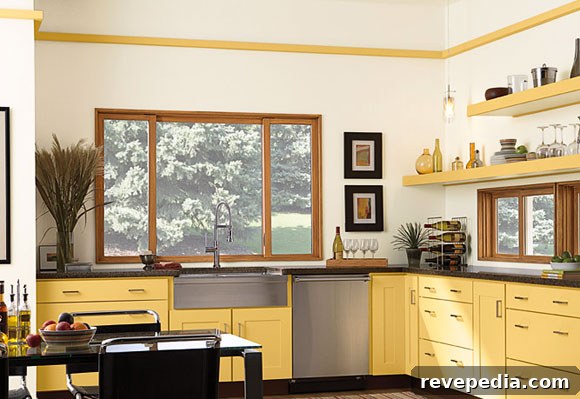
These horizontal sliding windows are often cost-effective and low-maintenance. They provide wide, unobstructed views, though only half of the unit typically opens, which limits ventilation compared with casements. Some newer glider designs include easy-clean features that are useful over sinks or in kitchens.
Bay Windows
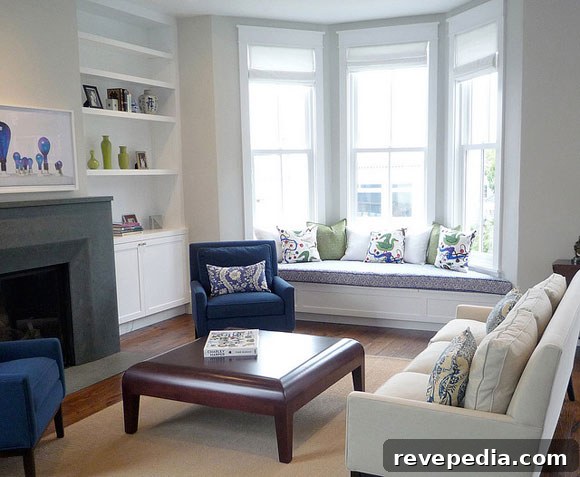
Bay windows project outward from the wall, creating visual interest and making a room feel larger. They work well in breakfast nooks, dining areas, or living spaces where added light and space are desired.
Before You Buy
Measure wall thickness and jamb width before ordering windows and doors. Manufacturers can customize jamb depth to match your wall construction, but accurate measurements prevent fit issues. Measure existing jambs or the rough opening to confirm the required frame dimensions.
Installation Advice
Pre-hung windows arrive with the frame finished and can be installed as one unit into the rough opening. Most quality windows are custom-made and require lead time of several weeks. Do not remove existing windows until your replacements have arrived and been inspected. Removing old windows too early risks leaving your home exposed if delivery is delayed. Keep old windows in place until the new units are on-site, undamaged, and confirmed to the correct size.
Part I Perform a Window Audit
Part II Window Buying Guide
Part III Cleaning & Caring for Windows