Adding a fence to your property—or replacing an old fence—improves home security and enhances the visual appeal of your yard. For pet owners, a fence prevents pets from running into the street or onto neighboring properties. Depending on the style you choose, a fence can also provide privacy, which is particularly helpful if you have a swimming pool.
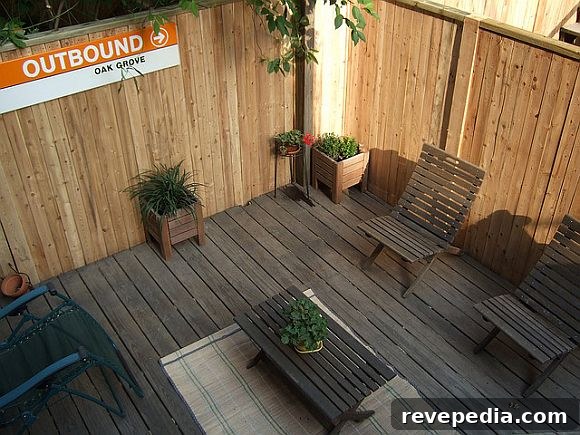
When planning a fence installation, several factors deserve attention:
Materials. Decide which type of fence best fits your needs and budget. Common options include picket, post-and-rail, wrought iron, chain link, and invisible fencing. PVC or vinyl alternatives that mimic wood are also available. Each material has different costs, installation requirements, maintenance needs, and visual characteristics, so research the options to determine the best match for your property.
Installation. Installing a fence is a significant project. It can be completed by a capable DIYer, but it requires planning, the right tools, and attention to detail. For a typical wooden fence, you will likely need:
– Treated boards and fence posts
– Hand saw
– Power saw
– Post hole digger
– Steel tape measure
– Pencil
– Hatchet
– Gravel or sand
– Nails
– Hammer or nail gun
– Level
– Concrete mix
– Wood chisel
– Tamping rod
Even if your lumber is pre-treated, applying an additional stain or protective finish will extend the wood’s lifespan and help prevent rot. Proper preparation and finishing are essential for long-term durability.
One of the most important—and challenging—steps is digging post holes. Start by setting the corner posts, then space the remaining posts about six to eight feet apart, adjusting for your land’s terrain. Aim to bury at least one-third of each post’s length to provide adequate stability. Use a post hole digger to create correctly sized holes, place gravel or sand at the bottom to aid drainage and anchoring, and then set the post and pour concrete around it for a solid foundation. Concrete provides a more durable base than compacted dirt and helps the fence resist shifting and weathering.
After the posts are secured, attach the top and bottom rails, making sure they are level. You can use nails and a hammer or a nail gun, as you prefer. If your property slopes, cut and install rails so the fence follows the grade neatly—either stepping the rails or angling boards to match the slope.
Next, install pickets, vertical boards, or rails to achieve the aesthetic and functional design you want. You can create decorative patterns, such as a basket weave, or keep a simple, classic layout. For full privacy, place vertical boards with no gaps between them along the rails.
Considering the scope of work and the tools involved, decide whether this is a DIY project you want to undertake or a job to entrust to professionals. DIY installation can save money and let you customize your fence, while hiring pros ensures efficient, code-compliant work and can be faster for large or complex jobs.
What’s your experience with installing fences? Have you taken on a fence project yourself, or would you prefer to hire a contractor?