If you’ve decided it’s time to replace some or all of the windows in your home, you may be surprised by the wide range of choices available. Window technology has advanced significantly over the past decade or two, delivering much better energy efficiency and comfort than older windows provided.
Window Glass
When replacing windows, glass options are a key consideration, but the most important factor is the window’s energy efficiency. U-Factor and Solar Heat Gain Coefficient (SHGC) are two ratings that help you compare performance. U-Factor measures how well a window insulates: the lower the U-Factor, the better the window resists heat transfer. This matters in every climate.
In warmer climates where air conditioning is used heavily, choose windows with a lower SHGC to reflect more of the sun’s heat and reduce cooling costs. In cooler climates, a low U-Factor is especially important to retain heat. Compare these efficiency ratings to select windows that will lower your heating and cooling bills and give you the best long-term value.
One easy way to identify energy-efficient windows is to look for products that meet ENERGY STAR® criteria, which are tailored by climate zone so homeowners can choose windows suited to their region.
Most high-performing windows today feature Low-E (low emissivity) glass. This is a very thin metallic coating on the glass that improves thermal performance by reflecting heat while still allowing light to pass through. Low-E coatings help block ultraviolet rays that can fade furnishings and reduce heat loss in winter.
If your home still has aging or damaged panes, professional residential glass replacement and installation can restore energy efficiency and ensure proper sealing and performance.

Glass types and options
- Clear — Standard clear glass remains the baseline option. It provides visibility and natural light but lacks the energy-saving benefits of specialized glazing. Many homeowners now choose enhanced glazing options to reduce energy bills and improve comfort.
- Low-E — Low-E coating is a microscopic layer of metal oxide applied to glass that reflects a large portion of heat. It lets visible light in while reducing heat transfer, so it helps keep heat inside during winter and reduce solar heat gain in summer.
- Heat-absorbing — Tinted glass treated with gray, green, or bronze hues absorbs a portion of incoming solar energy, reducing heat gain through the window and improving comfort in sun-exposed rooms.
- Reflective — Reflective glass has a coating that controls solar heat gain by reflecting sunlight away. It also reduces overall light transmission, which can help limit glare and cooling loads in bright conditions.
- Multiple panes and gas fills — Windows are available with one, two, or three panes of glass. Single-pane windows offer minimal insulation and a high U-Factor. Double- and triple-pane units provide greater resistance to heat flow and lower U-Factors. Energy performance improves further when Low-E coatings are combined with inert gas fills such as argon between the panes.
Window Materials
Once you’ve chosen the glass type, select the sash and frame material that best matches your budget, desired appearance, and climate. Common options include:
- Aluminum — Typically one of the least expensive choices, aluminum frames are durable but less insulating than other materials. Because aluminum conducts heat, these windows can feel warmer or colder near the frame and may be more prone to condensation. They can be painted, but painted finishes on aluminum may not match the look of painted wood or fiberglass.
- Fiberglass — Fiberglass frames resist warping, shrinking, swelling, rot, and corrosion, making them very stable across temperature changes. Their thermal stability supports large glass areas and strong energy performance. Fiberglass windows are often priced higher than aluminum or vinyl but offer long-term durability and efficiency.
- Vinyl — Vinyl is a popular, cost-effective option that provides good energy performance and requires little maintenance. Vinyl typically comes in lighter factory colors; painting vinyl is generally not recommended because paint adheres poorly. In extreme heat, some vinyl frames can soften or sag over time, potentially affecting seals and performance.
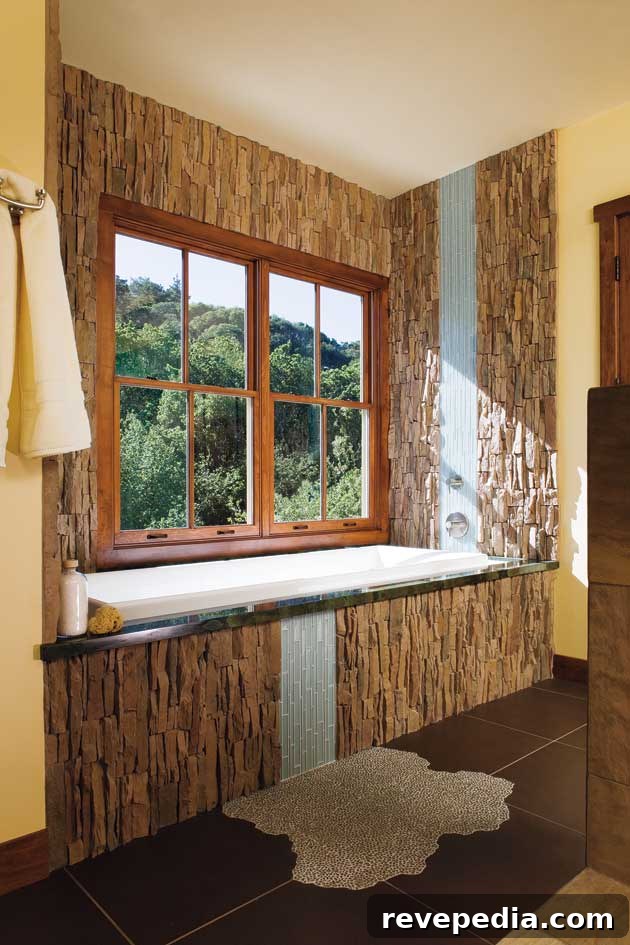
- Wood — Wood is a traditional choice that remains attractive and effective as a natural insulator. Wood frames resist temperature extremes and are less prone to condensation. Many wood windows come with exterior cladding—often aluminum or vinyl—to reduce maintenance while preserving the wood interior finish.
Different climates and home styles benefit from different materials and technologies. Consult local window professionals to determine which combinations of glass and frame will deliver the best performance for your area and your budget.
Photos courtesy of Pella Windows and Doors.